
Can You Use a Recreational Kayak in the Ocean: Safety and Practical Guide for 2026
Can you use a recreational kayak in the ocean? Discover critical safety rules, hull design limits, and coastal gear advice for October 2026.
 By Maggie Nichols
Updated October 5, 2026
By Maggie Nichols
Updated October 5, 2026

Heading out onto coastal saltwater brings exciting opportunities to explore sheltered bays, winding tidal creeks, and quiet inlets. Many paddlers wonder: can you use a recreational kayak in the ocean without risking a dangerous capsize or losing control? While a recreational boat can handle calm, protected marine waters on mild days, open ocean swells present serious hazards that flatwater hulls are simply not built to handle. Understanding the exact difference between protected coastal estuaries and exposed open seas is vital for every recreational paddler.
Recreational kayaks feature wide beams and flat bottoms designed for effortless flatwater stability, but they lack the wave-shedding rocker and secondary stability required for rough ocean chop. Cold ocean spray also creates hypothermia risks, making a proper wetsuit for cold-water paddling an essential layer when coastal water temperatures drop. Before launching along the coastline, you must assess wind speeds, tidal currents, cockpit drainage, and US Coast Guard safety gear requirements. Keeping your craft within sheltered bays ensures a fun paddling outing while keeping safety at the forefront.
| Award | Product | WSG Score About WSG ScoreThe WSG Score is our own rating from 0 to 10, based on performance, design and build, ease of use, and value. It reflects independent research and is never influenced by manufacturers, retailers, or affiliate commissions. Learn more › | |
|---|---|---|---|
| Best Overall |
Perception Access 9.5 Sit-On-Top Kayak
|
9.1/10 | Buy |
| Best Premium |
 Oru Kayak Lake Sport Foldable Kayak
|
9.1/10 | Buy |
| Best Budget |
 Pelican Argo 80X 8-Foot Sit-In Kayak
|
8.9/10 | Buy |
 Pelican Argo 100X 10-Foot Sit-Inside Recreational
|
8.8/10 | Buy | |
| Best Value |
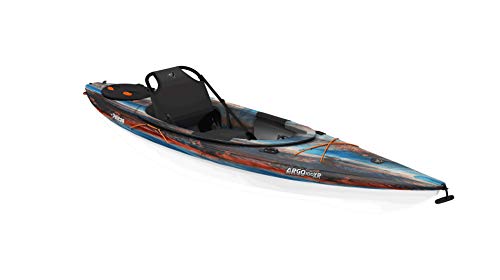 Pelican Argo 100XR 10-Foot Kayak
|
8.8/10 | Buy |
 Pelican Argo 100X EXO 10-Foot Kayak
|
8.6/10 | Buy | |
 Perception Rambler 13'6" Tandem Sit-On-Top
|
8.6/10 | Buy | |
 BODIOO 6.5-Foot Youth Kayak with Paddle
|
8.3/10 | Buy | |
 Pelican Argo 100X EXO 10-Foot Kayak
|
8.3/10 | Buy | |
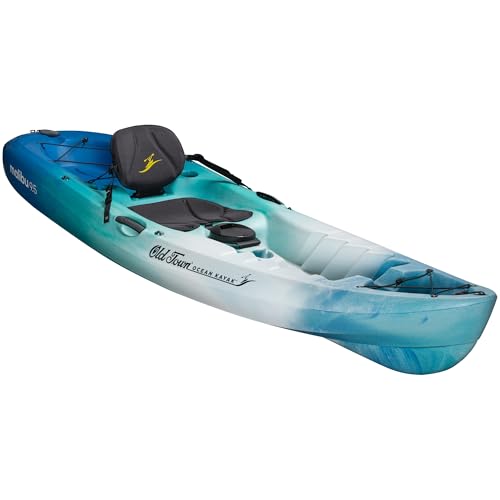 Old Town Ocean Kayak Malibu 9.5 Sit-on-Top Kayak
|
8.3/10 | Buy |
Perception Access 9.5 Sit-On-Top Kayak
Weighing just 42 pounds, this compact sit-on-top kayak provides easy handling and comfortable high-back seating for calm waters. Dual bungee storage areas and molded-in rod holders make it a practical choice for casual day paddlers and light angling.
Pros
- Light 42-pound weight simplifies transport and car-topping
- Ergonomic cushioned high-back seat enhances paddling comfort
- Five-position footrests accommodate various leg lengths
- Integrated rod holders add instant fishing functionality
Cons
- 250-pound maximum capacity limits gear and heavier paddlers
- Open bungee wells provide no enclosed dry storage
Oru Kayak Lake Sport Foldable Kayak
Weighing just 18 pounds and folding into a self-contained box, the Oru Kayak Lake Sport offers unmatched portability for calm lake and slow river recreation without requiring a vehicle roof rack. It is ideal for apartment dwellers, compact-car owners, and solo paddlers wanting an effortless setup and comfortable flatwater cruising.
Pros
- Remarkably light 18-pound weight makes carrying and solo launching completely strain-free
- Folds into a compact box that fits in car trunks and apartment closets without requiring a roof rack
- 5 mm double-layered polypropylene skin provides dependable puncture and abrasion resistance
- Upgraded interior includes an adjustable footrest and height-adjustable backrest for solid seated support
Cons
- Sold as a kayak-only package and does not include an essential paddle or personal flotation device
- 250-pound maximum weight limit restricts heavier paddlers when accounting for the standard 70-80% safe operational payload guideline
- Engineered strictly for calm flatwater and slow rivers; unsuitable for ocean surf, heavy chop, or whitewater
Pelican Argo 80X 8-Foot Sit-In Kayak
Weighing just 27 pounds, this compact sit-in kayak delivers exceptional portability for casual recreational outings. Its twin-arched multi-chine hull and integrated foam flotation ensure a steady, secure ride across calm waters.
Pros
- Extremely lightweight at just 27 pounds
- Twin-arched hull provides a very stable ride
- Durable patented Ram-X construction
- Built-in foam blocks offer dependable flotation
Cons
- Short 8-foot length yields slower paddling speeds
- Compact 93-inch frame offers limited legroom for tall paddlers
Pelican Argo 100X 10-Foot Sit-Inside Recreational
Weighing just 36 pounds with a durable RAM-X multi-chine hull, the Pelican Argo 100X is an agile 10-foot sit-inside kayak engineered for effortless solo car-topping and steady flatwater stability. With a 275-pound maximum capacity and an ERGOFORM padded seat, it offers an approachable entry point for recreational beginners and weekend lake paddlers.
Pros
- Ultralight 36-pound unladen weight makes solo car-topping and ramp portage exceptionally easy
- Twin-arched multi-chine hull delivers confidence-inspiring primary stability for first-time kayakers
- Patented RAM-X polyethylene offers durable resistance against shoreline scuffs and rocky scrapes
- Adjustable ERGOFORM padded backrest and seat cushion provide essential recreational comfort
Cons
- A 275-pound maximum capacity leaves limited gear allowance for larger adult paddlers
- Enclosed sit-inside design relies on internal foam blocks rather than sealed watertight bulkheads
- Paddling essentials such as a paddle and spray skirt are not included and must be sourced separately
Pelican Argo 100XR 10-Foot Kayak
Weighing only 43 pounds with a twin-arched multi-chine hull, this sit-in kayak provides dependable primary stability and easy solo transport. Its versatile setup includes a removable seat that doubles as a beach chair, making it ideal for relaxed recreational outings.
Pros
- Lightweight 43 lb design simplifies transport
- Comfortable seat doubles as a beach chair
- Stable hull allows easy entry and exit
- Dual rigging tracks offer simple accessory mounting
- Secure storage with quick-lock hatch and bungees
Cons
- 300 lb weight limit restricts heavy gear hauling
- Compact 10 ft hull limits long-distance speed
Pelican Argo 100X EXO 10-Foot Kayak
Built from proprietary Ram-X material, the 36-pound Pelican Argo 100X EXO offers exceptional portability for solo paddlers. Its twin-arched multi-chine hull delivers dependable stability on the water, while an adjustable Ergobreeze seat keeps recreational outings comfortable.
Pros
- Weighs only 36 pounds for effortless handling
- Twin-arched multi-chine hull ensures steady balance
- Supportive Ergobreeze seat features an adjustable backrest
- Patented Ram-X material is both lightweight and rugged
- ExoChill storage compartment protects gear against water splashes
Cons
- Sit-in cockpit restricts open deck movement
- Compact 10-foot hull limits gear capacity for extended trips
Perception Rambler 13'6" Tandem Sit-On-Top
The Perception Rambler 13'6" is a versatile tandem sit-on-top kayak featuring a stable 34-inch beam, removable padded backrests, and a 550-pound maximum capacity. It is an ideal, user-friendly choice for pairs, families paddling with a child or pet, and casual weekend flatwater explorers.
Pros
- Generous 550 lb maximum capacity comfortably supports two adults plus a child or canine companion
- Broad 34-inch beam delivers reassuring flatwater balance suitable for beginners and casual recreational use
- Molded-in center jump seat adds family versatility without requiring complicated deck hardware adjustments
- Padded seats and backrests are fully removable for easy vehicle transport and winter storage
Cons
- At 78 pounds unladen, solo roof-rack loading and long portages are difficult without a second person or kayak cart
- Open deck layout lacks sealed dry hatch compartments, requiring dry bags to protect moisture-sensitive gear
- Paddles, scupper plugs, and personal flotation devices are not included and must be sourced separately
BODIOO 6.5-Foot Youth Kayak with Paddle
Designed specifically for young paddlers, this compact 6.5-foot kayak pairs built-in rear casters with multiple carry handles for effortless transport. Its 120-pound capacity and adjustable footrests make it a practical choice for exploring calm lakes, rivers, or pools.
Pros
- Built-in rear casters allow kids to roll it easily
- Four-position footrests accommodate paddlers of various heights
- Dual storage compartments secure gear and drink bottles
- Lightweight 25.4-pound build simplifies transport and car storage
- Includes a double-head paddle right in the box
Cons
- Maximum 120-pound limit restricts use strictly to children
- Designed exclusively for calm waters rather than rough conditions
Pelican Argo 100X EXO 10-Foot Kayak
Built with a lightweight 36-pound frame and a twin-arched hull, the Pelican Argo 100X EXO offers steady stability and manageable transport for recreational paddlers. Its Ergobreeze seating and removable splash-resistant storage make it a practical choice for day outings on calm waters.
Pros
- Very lightweight at 36 pounds
- Hull shape delivers reliable primary stability
- Ergobreeze seat offers customizable back support
- Removable splash-resistant storage compartment included
Cons
- Short 10-foot hull yields slower tracking speeds
- Sit-in cockpit provides limited interior legroom
Old Town Ocean Kayak Malibu 9.5 Sit-on-Top Kayak
The Old Town Ocean Kayak Malibu 9.5 is a compact 9-foot 5-inch solo sit-on-top kayak engineered with a surf-stable hull, adjustable AirComfort backrest, and molded-in footwells. Weighing 54 pounds with a 325-pound maximum capacity, it offers dependable stability and easy handling for recreational lake, river, and coastal paddlers.
Pros
- Surf-stable hull design delivers reassuring primary stability on flat water and predictable handling in light waves
- AirComfort adjustable backrest and molded calf rests provide comfortable, customizable ergonomic support
- Thoughtful on-deck storage with a splash-resistant QuickStash hatch and dual bungee tie-down areas
- Stackable hull shape and built-in stern YakLock security bar simplify multi-boat transport and dockside locking
Cons
- Paddle is sold separately and must be purchased before hitting the water
- The 325-pound total capacity requires mindful gear distribution for larger paddlers to maintain ideal freeboard
- At 54 pounds, solo lifting onto high vehicle roof racks may require steady physical effort or a load-assist system
Navigating Coastal Waters in a Recreational Kayak: Essential Realities and Safety Protocols
Paddling coastal waters introduces environmental forces that differ drastically from calm inland lakes and rivers. While you can technically paddle a recreational boat in marine environments, strict conditions govern where and when it is safe. Recreational hulls belong in sheltered waters such as protected bays and calm estuaries, far away from open ocean swells.
The Direct Answer: Protected Harbors Versus Open Ocean Hazards
A recreational kayak can be paddled safely in sheltered salt water, but it should never be taken into the open ocean. Protected saltwater lagoons, calm tidal creeks, and quiet harbors offer conditions similar to flat inland lakes during calm weather. Outside barrier islands and headlands, rolling ocean swells and breaking surf will quickly overwhelm a craft designed for flatwater.
Self-bailing sit-on-top hulls, such as the Perception Kayak Access Sit On Top or the Perception Kayaks Rambler Sit On Top, handle light coastal bays and slow rivers well. These designs shed minor spray because water drains directly through open deck scuppers. In contrast, folding boats like the Oru Kayak Foldable Kayak Lake Sport are strictly designed for flat lakes and calm bays. Venturing into breaking ocean waves or open navigation channels with any casual recreational craft invites immediate capsize dangers.
Coastal conditions can change rapidly when afternoon thermal winds kick up opposing chop against the tide. A tranquil harbor can turn into a turbulent waterway within an hour as incoming or outgoing water rushes through narrow inlets. Short recreational hulls lack the waterline length and hull speed required to push through heavy tidal currents. Staying within easy swimming distance of a sheltered shoreline is the best rule for coastal outings.
Hull Hydrodynamics: Primary Stability Versus Secondary Rough-Water Stability
Recreational kayaks emphasize wide, flat bottom hulls that provide high primary stability on calm surfaces. Boats like the Pelican Argo 100X and Pelican Argo 100XR use a twin-arched multi-chine hull to maximize initial stability and create a steady platform on flat water. While this geometry prevents wobbling on a glassy lake, it behaves unpredictably when ocean swells pass underneath.
When ocean swells roll under a wide, flat-bottomed boat, the hull tilts to match the steep angle of the wave face. Dedicated sea kayaks feature narrow, rounded or V-shaped hulls with high secondary stability, allowing paddlers to edge their boat comfortably in chop. Without secondary stability, a recreational hull feels tippy as waves lift one gunwale higher than the other. The paddler must constantly brace with the paddle to avoid flipping sideways down the face of a wave.
Hull rocker also plays a vital role in coastal performance. Recreational kayaks have minimal bow rocker to help them track forward on calm lakes without wandering. In coastal chop, a flat bow plows straight into waves instead of lifting over them, swamping the deck with seawater.
Cockpit Architecture: Sit-on-Top Drainage Versus Sit-Inside Swamping Risks
Cockpit construction is the most critical design factor separating safe coastal craft from hazardous ones. Sit-on-top kayaks feature a hollow, sealed hull with molded scupper holes that drain water automatically through gravity. When waves splash over an open deck, like that of the Old Town Ocean Kayak Malibu 9.5 or BODIOO recreational boat, water drains away without pooling. The hull stays buoyant and maneuverable because seawater cannot collect inside the interior.
Sit-inside recreational kayaks, including the Pelican Argo 80X and Pelican Argo 100X EXO, present severe swamping risks in coastal chop. These boats have wide cockpits designed for easy entry, but they lack sealed bulkheads to compartmentalize water. Foam flotation blocks keep the boat floating if flooded, but taking waves over the gunwales fills the open cockpit with hundreds of pounds of water. A swamped sit-inside kayak loses all stability and easily capsizes in small ripples.
Recreational sit-inside cockpits also have wide rim dimensions that cannot secure a tight, ocean-rated neoprene spray skirt. A sudden breaking wave collapsing on a loose recreational skirt will push the fabric into the cockpit, allowing water to rush inside. Once filled with ocean water, emptying a sit-inside hull without paddling ashore becomes nearly impossible.
Freeboard and Displacement: Applying the 70-75% Safe Payload Rule
Coastal paddling demands plenty of freeboard, which is the clearance between the waterline and the top of the gunwales. Low freeboard allows passing ripples and boat wakes to wash across the deck and compromise boat control. While manufacturers list gross weight limits, pushing a recreational boat to its published capacity on coastal waters is dangerous.
Experienced paddlers rely on the 70 to 75 percent safe payload threshold to maintain adequate reserve buoyancy. To calculate this safe working limit, multiply the manufacturer maximum weight capacity by 0.75. For a kayak rated at 300 pounds, such as the Pelican Argo 100XR, your total gear and body weight should not exceed 225 pounds. Preserving this buoyancy buffer ensures scupper holes drain freely and keeps the boat responsive in chop.
Overloading a small craft causes the hull to wallow, increasing drag and draining paddler stamina against coastal breezes. If a paddler approaches the 250-pound maximum limit on an Oru Kayak Lake Sport, the boat sits low and loses precious stability. Always calculate your combined weight before launching to ensure your kayak retains ample freeboard.
Deep-Water Re-Entry Realities and Self-Rescue Physics
Capsizing in coastal waters is always a possibility when wind and waves interact. On an open sit-on-top kayak, self-rescue remains manageable because the hull does not trap water. A paddler can perform a deep-water scramble re-entry by reaching across the deck, kicking hard, and pulling their chest over the cockpit. Once stable, you simply swing your legs back aboard and continue paddling.
Recovering from a capsize in a flooded recreational sit-inside kayak is far more difficult. When the cockpit fills with water, the kayak floats low like an unstable waterlogged log. Attempting to climb back inside causes the craft to roll over again due to the free surface effect of the trapped water. Without sealed bulkheads and specialized bilge pumps, solo deep-water re-entry is almost impossible.
If you flip a recreational sit-inside far from shore, you face a long swim while towing a heavy, waterlogged hull. For paddlers seeking portable options with compartmentalized buoyancy, heavy-duty inflatable kayaks provide multi-chamber stability that resists swamping better than open-cockpit sit-ins. Practicing re-entry techniques in shallow water helps you understand how your hull behaves after an unexpected flip.
Weathercocking, Tidal Currents, and Tracking Deficits
Most recreational kayaks measure between 8 and 10 feet, offering agile turning on ponds but poor tracking on large bays. In coastal crosswinds, short hulls suffer from weathercocking, which causes the bow to spin automatically into the wind. Paddlers must constantly take hard corrective strokes on one side, which leads to rapid muscle fatigue.
Tidal currents through harbor channels and coastal inlets create another serious challenge for recreational paddlers. Tidal flow often reaches speeds between two and four knots in narrow waterways. A typical recreational paddler cruises at about two knots in calm conditions, making headway against strong currents impossible. You can easily find yourself pulled away from your launch site if you misjudge the tide.
Reviewing tide charts and local wind forecasts is essential before launching into any saltwater environment. Plan your paddle to head out against the current or wind, allowing the return trip to carry you back when tired. Launching during slack tide provides the calmest water for short, rudderless recreational boats.
Mandatory Safety Outfitting and USCG Carriage Requirements
Federal safety laws apply to all paddlecraft operating on coastal waters. Under United States Coast Guard Title 33 CFR part 175 regulations, every paddler must carry a properly fitted, USCG-approved Type III or Type V life jacket. Wearing your life vest securely buckled at all times is essential, as cold water shock and sudden capsizes happen without warning. Stowing a life jacket under bungees does not protect you if you are separated from the boat.
Boaters must also carry an audible sound-signaling device, such as a pea-less marine whistle tethered to their vest. Powerboats share coastal waterways and may not see low-riding kayaks in glare or choppy water. A loud marine whistle allows you to alert nearby vessels to your presence and prevent collisions. In addition, carrying approved visual distress signals is mandatory when paddling coastal waters between sunset and sunrise.
Using a flexible paddle leash prevents losing your only means of propulsion if you drop your paddle during a capsize. Keeping a communication device, such as a waterproof VHF marine radio or a mobile phone in a submersible dry pouch, ensures you can call for help. Basic safety equipment turns a minor coastal mishap into a manageable situation.
Transport Logistics and Launch Preparation for Coastal Outings
Transporting your kayak safely to coastal launches requires equipment capable of handling highway crosswinds. Using a reliable vehicle setup, such as a heavy-duty kayak roof rack, keeps the hull firmly anchored above your vehicle. Always secure the boat with non-stretch cam straps across crossbars rather than overtightening with ratchet straps that crack plastic. Rigging bow and stern tie-downs to vehicle recovery points provides crucial secondary security on coastal highways.
Launching along coastal shores exposes the hull to abrasive sand, gravel, and sharp oyster beds. Using a kayak cart fitted with wide balloon tires makes moving a loaded boat over soft sand straightforward for solo boaters. When launching through small shore break, time your entry between wave sets to avoid getting rolled in the wash. Keep the bow pointed directly into incoming ripples until you clear the shallow surf zone.
Rinsing your kayak with fresh water after every ocean trip prevents salt buildup on metal hardware and seat tracks. Salt crystals can cause corrosion and jam adjustable backrests and bungee cords if left unwashed. Proper off-season storage on wide webbing straps prevents hull indentation and preserves the boat shape for years of paddling.
Coastal Boundary Guidelines and Practical Decision Framework
Staying safe in a recreational kayak comes down to knowing when and where to paddle. If coastal winds exceed ten knots, waves exceed one foot, or heavy fog sets in, postpone your launch. Keep your paddling confined to sheltered estuaries, calm lagoons, and protected coves where help or dry land is never far away.
Recreational kayaks offer an enjoyable way to explore peaceful coastal waterways when conditions are calm and favorable. Always respect the safe payload threshold, wear your life jacket, and paddle with an awareness of tides and winds. Avoiding open ocean swells and breaking surf ensures your coastal outings remain safe and relaxing. Careful planning turns a casual harbor paddle into a memorable and secure adventure.
About the author
Maggie Nichols is an experienced paddler, adventure guide, and gear reviewer with more than 25 years around paddle sports. Her background includes canoe touring, whitewater rafting and kayaking, ocean kayak guiding, and extensive outdoor education. She approaches water gear with a strong focus on real-world usability, durability, comfort, and practical performance.