
What Does a Rudder Do on a Kayak: A Practical Guide for 2026
Learn what does a rudder do on a kayak to counter wind and current drift, improve tracking, and maintain forward momentum in October 2026.
 By Maggie Nichols
Updated October 5, 2026
By Maggie Nichols
Updated October 5, 2026

Paddling across open bays or exposed lakes often turns into an exhausting wrestling match against shifting crosswinds and stubborn lateral currents. When wind catches the high freeboard of a kayak, the stern naturally swings downwind, forcing paddlers to burn stamina on constant corrective sweeps instead of clean forward propulsion. Understanding what does a rudder do on a kayak reveals that this stern-mounted blade is designed primarily to keep your craft on course with minimal effort rather than to steer it like a sports car. For paddlers navigating open water in long touring hulls or sleek single sit-in kayaks, a reliable rudder system preserves energy and maintains straight-line momentum.
Instead of altering your paddling cadence to compensate for drift, you control the underwater blade using integrated foot braces and flexible stainless steel cables. Small pedal inputs deflect water flow across the stern, generating gentle lateral force that locks the kayak onto a true heading. Modern systems feature kick-up mechanisms that protect the foil when crossing shallow mudflats or landing on rocky shores. Integrating the proper rudder hardware can transform an erratic, wind-blown hull into a predictable, efficient touring machine.
| Award | Product | WSG Score About WSG ScoreThe WSG Score is our own rating from 0 to 10, based on performance, design and build, ease of use, and value. It reflects independent research and is never influenced by manufacturers, retailers, or affiliate commissions. Learn more › | |
|---|---|---|---|
| Best Overall |
Wilderness Systems XL Kayak Rudder Kit
|
8.8/10 | Buy |
 Harmony 8023053 Tandem Rudder Steering Kit
|
8.6/10 | Buy | |
| Best Budget |
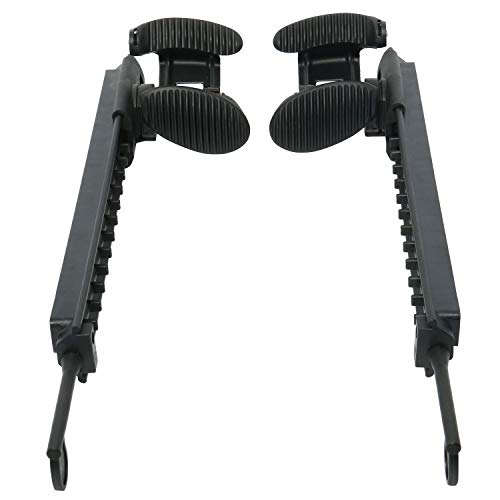 NovelBee Kayak Rudder Steering Foot Pegs
|
8.4/10 | Buy |
Wilderness Systems XL Kayak Rudder Kit
Designed to improve tracking and maneuverability, this complete rudder kit fits a wide range of solo Wilderness Systems kayaks including ATAK, Radar, and Tarpon models. It includes the oversized rudder blade, footbraces, and necessary mounting hardware for straightforward upgrading.
Pros
- Enhances in-water maneuverability and directional control
- Complete package with rudder, footbraces, and hardware
- Broad compatibility across Wilderness Systems solo lineups
- Adaptable to select tandem models with extra kit
Cons
- Requires supplemental kit for Pamlico tandem kayaks
- Adds over 5 pounds of hardware weight
- Tailored primarily to Wilderness Systems hull designs
Harmony 8023053 Tandem Rudder Steering Kit
Designed for Wilderness Systems and Perception tandem kayaks, this supplemental kit expands rudder control to both solo and tandem paddling positions. It installs directly with existing rudder-ready setups using included foot braces and extension straps.
Pros
- Enables dual-position steering for solo and tandem paddling
- Tailored fit for Pamlico 135T and 145T models
- Includes dedicated foot braces and extension straps
- Integrates with existing rudder-ready base systems
Cons
- Supplemental kit requiring a separate base rudder system
- Restricted to 2013 and newer kayak hulls
- Adds over 4.5 pounds of rigging hardware
NovelBee Kayak Rudder Steering Foot Pegs
Designed for directional rudder control on kayaks, canoes, and angling boats, this NovelBee foot peg pair provides an expansive 16.7-inch adjustment range. The rotating pedal mechanism and rigid base tracks deliver dependable foot bracing and steering input.
Pros
- Wide 16.7-inch pedal adjustment track
- Includes both left and right assemblies
- Responsive rotating pedals for steering control
- Versatile fit for kayaks and canoes
Cons
- At 22 inches, tracks require significant cockpit space
- Weighs nearly 2.5 pounds for the pair
- Requires a separate rudder system to operate
How Kayak Rudders Control Heading, Hydrodynamics, and Drift
A kayak rudder is a pivoting underwater foil mounted at the stern of the boat to provide precise directional stability. While beginner paddlers frequently assume a rudder functions like a vehicle steering wheel to make sharp turns, its real hydrodynamic purpose is straight-line tracking control. By deflecting the passing flow of water beneath the hull, the blade neutralizes the physical forces that push a paddlecraft off course. This mechanical advantage allows you to direct all your muscular energy into balanced, symmetrical forward strokes.
Operating a rudder transforms long-distance travel, especially when navigating turbulent open water or crossing wind-swept reservoirs. Without a rudder, a paddler caught in crosswinds must repeatedly perform corrective stern rudders, sweeps, or uneven power strokes on one side of the boat. Over several miles, this asymmetric physical strain leads to shoulder fatigue, lower back discomfort, and reduced overall speed. Installing and mastering a rudder ensures your hull tracks cleanly through opposing currents while keeping your paddling rhythm smooth and efficient.
The Hydrodynamic Mechanics of Stern Tracking
Water flows continuously along the kayak keel line as the hull moves forward through the water column. When the rudder blade sits directly centered along the centerline, water passes evenly across both lateral faces of the foil, creating neutral directional pull. As soon as you apply pressure to one foot control, the foil pivots slightly into the passing slipstream. The increased hydrodynamic pressure on that side pushes the kayak stern in the opposite direction, gently rotating the bow toward your intended compass heading.
This steering effect relies entirely on water velocity passing across the submerged surface of the foil. A stationary kayak derives zero steering authority from a turned rudder because there is no water moving past the blade to generate lift. As forward speed climbs, the rudder blade generates exponentially more corrective torque with tiny angular adjustments. Modern blades, such as those found on the Wilderness Systems XL Kayak Rudder Kit, feature enlarged surface profiles engineered to maintain tracking grip on wider hulls and heavily loaded expedition boats.
Managing Wind and Currents: Overcoming Weathercocking
The most compelling practical reason to use a kayak rudder is combating a natural physical phenomenon known as weathercocking. When winds strike a kayak from an angle, the bow tends to pin into the water due to the hull’s forward resistance. Meanwhile, the lighter stern experiences less hydrodynamic grip, allowing the wind to blow the back of the boat downwind. This dynamic rotates the bow directly into the oncoming wind, requiring constant corrective paddling on the downwind side to maintain course.
Deploying a stern rudder immediately solves weathercocking by placing a vertical surface deep into the water at the point of greatest rotational leverage. By applying slight foot pressure on the downwind pedal, the rudder counteracts the wind’s rotational force and holds the boat on a straight heading. This mechanical correction also prevents broaching, a dangerous condition where quartering waves push the stern sideways and threaten to capsize the boat. Maintaining a locked heading in turbulent chop conserves vital stamina during long open-water crossings.
Rudder Mechanics: Foot Pedals, Cables, and Control Linkages
Kayak rudders are controlled entirely by your feet, leaving your hands completely free to paddle, fish, or manipulate gear. The mechanical interface consists of two foot braces mounted on adjustable interior hull tracks connected to the rudder via aircraft-grade stainless steel or high-tensile synthetic cables. These control cables pass through sealed internal tubes or deck grommets that prevent water from entering the cockpit or hull interior. Pressing the right foot pedal tensions the right cable and pivots the rudder blade to the right, directing the bow toward starboard.
Foot control systems typically feature either sliding foot pegs or independent toe-control pedals. Sliding assemblies, such as the NovelBee Pair Kayak Rudder Kit, utilize a base rod with rotating foot pedals offering an adjustment range of 16.7 inches to accommodate paddlers of different heights. These assemblies slide forward along an integrated track, converting leg motion directly into cable pull. Keeping these cables properly tensioned eliminates dead spots in the steering response while preventing excessive resistance along the track.
Lift, Deploy, and Kick-Up Blade Systems
A kayak rudder must not remain submerged at all times, especially when entering shallows, launching, or landing on shore. To manage blade position, rudder kits include an integrated lift-and-deploy line rigged along the deck to a cleat near the cockpit. Pulling the deployment cord allows internal gravity or bungee tension to swing the rudder downward into the water column. Reversing the pull lifts the rudder blade up onto the rear deck, locking it securely into a resting cradle for transport or shallow navigation.
The kick-up mechanism represents an indispensable engineering safeguard found on modern rudder systems. If you paddle over a submerged log, rock shelf, or oyster bed, the blade automatically pivots upward on a horizontal hinge upon impact. This automatic release prevents the blade from snapping, protects the stern gudgeon from cracking, and stops the kayak from suddenly tripping over the obstruction. Molded glass-filled nylon and anodized aluminum blades provide the impact resistance and corrosion protection needed to withstand these unexpected collisions.
Kayak Rudders Versus Retractable Drop Skegs
Paddlers frequently debate whether a stern rudder or a retractable drop skeg is the superior tracking aid for paddlecraft. A drop skeg is a rigid fin housed inside an internal hull box near the stern, deployed via a manual slider cord near the hip. Unlike a rudder, a skeg does not pivot from side to side; it simply lowers into the water to add lateral resistance to the stern. Dropping the skeg partially or fully trims the hull to balance wind forces, keeping the kayak tracking straight without active steering inputs.
The chief advantage of a skeg is mechanical simplicity and clean hull integration, with no external cables or moving pedals to maintain. However, a skeg cannot actively turn your boat or correct for swift cross-currents that push you sideways. In contrast, a rudder provides dynamic, active heading control that lets you alter direction continuously while maintaining an unbroken, high-cadence forward paddling rhythm. Anglers and photographers especially appreciate rudders because foot-controlled steering keeps the hull pointed at target shorelines while leaving hands free for equipment manipulation.
Solo Versus Tandem Kayak Steering Requirements
Controlling a two-person tandem kayak introduces unique steering dynamics that make a rudder virtually essential for relaxed paddling. Tandem kayaks possess elongated waterlines that resist quick turns and present large surface profiles that catch heavy crosswinds. Furthermore, differences in paddling rhythm and stroke power between the front and rear paddlers often cause the boat to wander off heading. A stern rudder eliminates this constant struggle, allowing the rear paddler to keep the craft aligned with subtle foot adjustments.
Rigging a tandem kayak requires specialized steering kits that adapt to multiple seating configurations. The Harmony Gear Supplemental Steering Kit for Tandem Kayak Rudder Systems illustrates how modern manufacturers address tandem versatility. Designed for Wilderness Systems and Perception tandem kayaks such as the Pamlico 135T and 145T, this hardware package works in conjunction with primary rudder kits. It incorporates extended control straps and foot braces that allow the rudder to be operated effectively whether the boat is paddled tandem from the stern or converted to a solo center seating position.
Rigging, Retrofitting, and Hardware Compatibility
Installing an aftermarket rudder on a kayak requires verifying the hull’s stern configuration and mounting options. Many modern rotomolded kayaks come factory rudder ready, meaning they feature pre-molded brass inserts, cable conduit tubes, and foot peg track channels already built into the plastic. For these hulls, installing a specialized package like the Wilderness Systems XL Kayak Rudder Kit is straightforward. The kit directly bolts onto models like the ATAK, Radar, Tsunami, and Tarpon series using provided mounting brackets and factory-routed hardware.
For kayaks lacking pre-molded conduits, installing a rudder kit requires drilling precise holes through the rear deck and bulkheads for cable housing. You must seal every hull penetration with marine-grade silicone or rubber compression grommets to preserve watertight integrity. Running control lines through internal nylon tubing ensures the cables slide freely without tangling around internal flotation foam or dry hatch storage bags. If you also use your boat for mechanized propulsion, such as exploring pedal kayaks with trolling motors, having reliable steering controls becomes even more critical for managing higher cruising speeds.
Safe Launching, Shallow-Water Protocols, and Field Care
Operating a rudder safely begins before your hull ever leaves the boat ramp or shoreline. The golden rule of rudder operation is to leave the blade pinned securely on the rear deck until you have cleared shallow water. Lowering the blade while pushing off from a rocky shore or sandy flat can bend the pivot pin, jam the kick-up hinge, or damage the stern bracket. Once you paddle into waist-deep water where your paddle blade makes clean contact without hitting bottom, release the deployment cord and lower the foil.
Similarly, you must always retract the rudder before landing on a beach, riverbank, or concrete boat ramp. Incoming surf or sudden shoreline stops push the rudder upward with tremendous leverage, risking severe hull cracking or cable breakage. Developing the habit of cleating the lift cord securely in the up position before approaching the shore ensures your equipment remains intact. After paddling in sandy or saltwater environments, flush the rudder assembly, cables, and foot tracks thoroughly with fresh water to prevent grit buildup and corrosion.
Hull Trim, Payload Reserves, and Coast Guard Safety Protocols
Adding hardware to the extreme stern of a kayak affects overall trim, making proper payload distribution essential for safe handling. Extra weight concentrated at the stern can cause the back of the boat to squat, increasing drag and reducing forward paddling speed. To maintain optimal hull trim, pack heavier dry bags, batteries, and tackle coolers toward the center of the boat near the cockpit floor. Keeping the hull balanced ensures the bow and stern engage the waterline evenly, allowing the rudder to operate with maximum hydrodynamic efficiency.
Never exceed the safe payload threshold of your kayak when rigging additional accessories and expedition gear. A practical guideline is to enforce the 70 to 75 percent capacity threshold, reserving at least one-quarter of the manufacturer’s total weight rating as a buoyancy buffer. Overloading a kayak reduces freeboard, submerges scupper holes, and makes the hull sluggish and prone to swamping in rough chop. A rudder cannot overcome the severe handling degradation and capsize risks caused by an improperly balanced, overloaded hull.
Water safety regulations established under US Coast Guard Title 33 CFR Part 175 require every paddler to carry a properly fitted, USCG-approved Type III or Type V wearable personal flotation device. You must also keep a sound-producing whistle readily accessible on your life jacket to signal other vessels in low visibility. When transporting your rigged boat to the water, use a heavy duty kayak rack with secure cam straps, always avoiding ratchet straps that can permanently deform rotomolded plastic hulls.
Determining Whether Your Kayaking Style Justifies a Rudder
Deciding whether your kayak needs a rudder ultimately depends on the specific waterways you explore and the design of your craft. If you primarily paddle small, sheltered ponds, shallow rocky rivers, or winding creeks, a rudder is generally unnecessary and may get caught on snags. Short recreational kayaks with pronounced rocker are built for quick maneuverability, making basic sweep strokes far more practical than deploying an external blade. In these tight environments, the added weight, cost, and mechanical maintenance of a rudder rarely provide significant benefits.
On the other hand, paddlers tackling large inland lakes, coastal bays, open ocean swells, or windy reservoirs will find a rudder truly transformative. Long touring hulls exceeding twelve feet in length track exceptionally well in calm water but become difficult to correct when broadside winds pick up. Equipping your hull with a durable rudder kit preserves physical energy, boosts safety during unexpected weather shifts, and keeps your kayak tracking straight toward your destination. Investing in quality rudder hardware ensures every hour spent on open water is smooth, controlled, and deeply rewarding.
About the author
Maggie Nichols is an experienced paddler, adventure guide, and gear reviewer with more than 25 years around paddle sports. Her background includes canoe touring, whitewater rafting and kayaking, ocean kayak guiding, and extensive outdoor education. She approaches water gear with a strong focus on real-world usability, durability, comfort, and practical performance.