
What Do You Wear Under a Wetsuit: Practical Guide for 2026
What Do You Wear Under A Wetsuit depends on warmth and chafing defense. Explore top base layers, rash guards, and swimwear for paddling in October 2026.
 By Brooke Hess
Updated October 5, 2026
By Brooke Hess
Updated October 5, 2026

Launching into chilly morning water demands serious attention to thermal insulation and personal comfort. While closed-cell neoprene acts as a reliable thermal barrier against cold splashes and unexpected immersion, choosing the correct foundational layer makes the difference between an effortless outing and a day plagued by painful skin friction. Many paddlers and swimmers ask what do you wear under a wetsuit when preparing for extended sessions on open lakes, rivers, or coastal bays. Neoprene works by trapping a thin boundary layer of water against the skin, which your body warms up to provide effective insulation. Slipping into a tight suit without understanding what works underneath can lead to painful chafing, bunching fabric, or unwanted moisture retention.
Paddlers who navigate a single sit-in kayak must balance upper-body flexibility with seated lower-body comfort against cockpit coamings and backrests. Modern suits like the Xterra Wetsuits Men’s Volt Triathlon Wetsuit or the Hevto Men Wetsuit 4/3mm Neoprene GBS Full Wet Suit feature flexible liners designed for close contact with your skin. However, matching your base layer to your activity protects sensitive pressure zones around your hips, groin, and underarms. Snug synthetic swimwear, specialized lycra rash guards, or thin thermal polyolefin base layers create a friction-free barrier that enhances ease of movement. Understanding these material trade-offs ensures you stay warm, mobile, and comfortable during every water excursion.
| Award | Product | WSG Score About WSG ScoreThe WSG Score is our own rating from 0 to 10, based on performance, design and build, ease of use, and value. It reflects independent research and is never influenced by manufacturers, retailers, or affiliate commissions. Learn more › | |
|---|---|---|---|
| Best Overall |
Xterra Volt 3mm Triathlon Wetsuit
|
8.9/10 | Buy |
| Best Budget |
 Hevto 4/3mm Back Zip Full Wetsuit
|
8.6/10 | Buy |
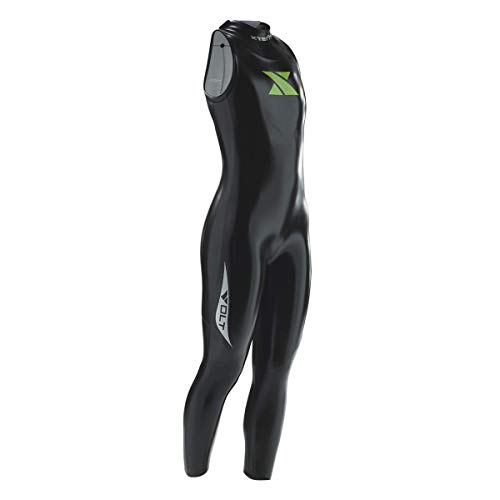 Xterra Volt Sleeveless Triathlon Wetsuit
|
8.6/10 | Buy |
Xterra Volt 3mm Triathlon Wetsuit
Built for open water swimming, the Xterra Volt combines 3mm neoprene with a four-way stretch X-FLEX liner for balanced buoyancy and mobility. Its hydrodynamic X-SLICE exterior coating minimizes drag, making it a reliable pick for triathletes seeking dependable performance.
Pros
- Four-way stretch liner preserves flexibility and shape
- X-SLICE coating reduces surface drag in water
- 3mm neoprene design enhances swimming buoyancy
- Includes a one-year warranty against manufacturing defects
Cons
- Snug competitive cut may feel constricting to some
- Listed package weight is relatively heavy at 7 pounds
Hevto 4/3mm Back Zip Full Wetsuit
Built for chilly ocean sessions, this 4/3mm suit blends SCR neoprene with glued and blind-stitched seams to retain core warmth. It offers divers, surfers, and paddlers dependable thermal defense alongside reinforced knee panels for added durability.
Pros
- GBS seams significantly limit cold water entry
- Reinforced knee sections enhance overall gear longevity
- Stretchy SCR neoprene preserves arm and shoulder mobility
- Long pull cord simplifies getting in and out alone
Cons
- Back-zip entry seals less tightly against flushes than chest zips
- 4/3mm thickness is too warm for mild or tropical water
Xterra Volt Sleeveless Triathlon Wetsuit
Built with 3/2mm neoprene and a hydrodynamic coating, this suit emphasizes upper-body mobility and core buoyancy for open-water swimmers. Its four-way stretch liner and sealed seams make it a dependable choice for both training and race day.
Pros
- Sleeveless design allows unrestricted shoulder rotation
- 3/2mm neoprene provides targeted core buoyancy
- Four-way stretch interior liner maintains shape
- Drag-reducing exterior coating improves open-water glide
- Durable sealed seams help keep water out
Cons
- Sleeveless cut offers less warmth in colder water
- Tight competitive fit may feel restrictive initially
Layering Strategies and Base Layer Selection Under Neoprene
Deciding on the right foundational layer beneath a wetsuit requires balancing skin protection, temperature regulation, and joint mobility. Many newcomers believe that a thick neoprene shell is all they need, only to suffer from severe chafing during their first hour on the water. The right undergarment creates a smooth buffer against coarse interior seams while preventing uncomfortable fabric bunching. Whether you are gliding across glassy morning reservoirs or navigating coastal bays, dialing in your base layer ensures you stay focused on paddling rather than irritated skin.
The Direct Answer: What to Wear Under Your Wetsuit
The most effective undergarments for neoprene include form-fitting synthetic swimwear, athletic compression shorts, and specialized lycra rash guards. These options sit flat against your skin, eliminating the folds and ridges that cause painful hot spots during repetitive paddling. Some experienced water sports enthusiasts choose to wear nothing at all, relying on the suit’s built-in liner for direct skin contact. However, going without a layer requires a suit with exceptionally soft interior linings, such as the four-way stretch X-Flex liner found in Xterra triathlon suits. For general paddlecraft outings, a thin synthetic barrier offers the best mix of hygiene, comfort, and skin protection.
Women typically find the greatest comfort wearing an athletic one-piece swimsuit or low-profile bikini bottoms paired with a rash guard. Men generally prefer snug swim briefs or compression jammers that extend down the thigh without loose cuffs. The primary objective is to select garments that feature minimal seams, zero external hardware, and fast-drying synthetic fibers. When your undergarment mirrors the tight contour of the wetsuit, it stays in place without riding up your torso or bunching around your waist.
How Neoprene Interacts With Your Skin and Base Layers
Understanding the physical mechanics of neoprene clarifies why your choice of base layer is critical for warmth. Wetsuits operate by trapping a micro-thin boundary layer of water between the rubber material and your body. Your body heat quickly warms this trapped liquid, transforming it into an efficient insulating blanket against cold surrounding water. If you wear an absorbent or loose garment underneath, that layer soaks up excess water and prevents your body from heating the trapped liquid efficiently.
In addition to thermal insulation, the mechanical relationship between neoprene and moving skin dictates overall comfort. When you execute forward paddling strokes, your shoulders, chest, and back muscles rotate continuously against the suit interior. A snug base layer absorbs this shearing force, allowing the wetsuit material to slide over the fabric rather than abrading your epidermis. This friction-reducing barrier is particularly valuable around delicate high-motion zones such as the armpits, inner thighs, and neck collar.
Fitted Synthetic Swimwear: Briefs, Jammers, and One-Piece Suits
Fitted swim briefs and athletic jammers made from nylon and spandex blends serve as an ideal foundation under any wetsuit. These garments lack the bulky pockets, metal grommets, and wide waistbands common to casual beach attire. By hugging the contours of your hips and thighs, swim jammers prevent cuffs from rolling upward as you pull tight neoprene legs over your calves. For male paddlers, a sleek jammer or brief eliminates painful seam friction when sitting upright in a molded kayak seat.
Female paddlers and swimmers often get the best results from athletic one-piece swimsuits designed for lap swimming. These suits feature flatlock stitching, high-cut legs, and cross-back straps that remain stable under heavy rotational movement. Avoid fashion swimsuits with decorative metal rings, beads, thick rear clasps, or halter-neck ties. Raised embellishments and tied knots press aggressively into your flesh once compressed by a tight neoprene shell, leading to painful bruising within minutes.
Rash Guards and Compression Tops for Upper-Body Chafing Defense
A dedicated rash guard provides essential upper-body defense against neck rash and underarm friction. These thin garments, woven from lightweight polyester or nylon with high elastane content, create a slick second skin that lets neoprene glide effortlessly. When paddling full-sleeved models like the Xterra Wetsuits Men’s Volt Triathlon Wetsuit or the Hevto Men Wetsuit 4/3mm Neoprene GBS Full Wet Suit, a fitted short-sleeve or long-sleeve rash guard eliminates seam chafing across the biceps and shoulders. Ensure the rash guard fits snugly like compression wear rather than a loose surf shirt to prevent bunched fabric ridges.
Sleeveless wetsuits present a unique layering consideration for paddlers who prioritize shoulder mobility over thermal insulation. Suits like the sleeveless Xterra Volt 3/2mm rely on a double-seam shoulder cuff to allow unrestricted arm rotation. Under a sleeveless cut, wearing a sleeveless compression vest or bare skin works best to avoid fabric showing past the arm cutouts. If you suffer from neck chafing around the collar closure, choose a rash guard with a low-profile crew neck or apply a specialized anti-chafe skin balm.
Thermal Base Layers and Polypropylene for Cold Water Paddling
When ambient air and water temperatures plummet, standard lycra rash guards may not offer sufficient thermal resistance. In frigid conditions, specialized thermal base layers constructed from hydrophobic polyolefin, brushed polypropylene, or micro-fleece provide vital supplemental insulation. Unlike standard swimwear materials, polyolefin fibers repel water molecules and trap warmed air against your skin even when wet. Layering a thermal top beneath a cold-water suit, such as the Hevto 4/3mm neoprene model with glued and blind-stitched seams, significantly extends your safe paddling window.
Dressing appropriately for cold conditions requires paddlers to respect the cardinal rule of paddle sports: always dress for the water temperature rather than the air temperature. Sunny spring afternoons frequently feature pleasant air temperatures paired with dangerously cold snowmelt or coastal currents. If you capsize while wearing inadequate underlayers, your core body temperature can decline rapidly despite the neoprene outer shell. Selecting an insulated thermal top that wicks moisture away from your torso keeps you comfortable during exertion while maintaining an insulating barrier when immersed.
Critical Items You Must Never Wear Under Neoprene
Certain common clothing items create immediate hazards and severe discomfort when worn under a wetsuit. Cotton garments, including standard cotton boxers, briefs, undershirts, and gym t-shirts, should never accompany you into the water. Cotton fibers absorb immense quantities of water, swell up, and lose all structural stability when soaked. Once saturated, cotton holds icy water directly against your skin, draining your metabolic warmth and accelerating hypothermia. Also, wet cotton bunches into thick, abrasive folds that cause extreme skin chafing across your underarms and lower back.
Loose casual boardshorts represent another common beginner error that causes immense frustration on the water. The wide leg openings of boardshorts inevitably ride upward toward your groin as you slide into your wetsuit, creating painful balls of bunched fabric. In addition, standard boardshorts feature external lace-up drawstrings, rigid grommets, and rear pockets with hook-and-loop closures. When compressed under heavy neoprene against a kayak seat, these hardware elements create direct pressure sores against your skin. Stick strictly to streamlined, seamless athletic garments under your neoprene.
Seated Cockpit Ergonomics and Lower-Back Friction
Paddlers face unique ergonomic demands compared to swimmers or surfers because they remain seated in an upright or slightly reclined posture for hours. Sitting inside a cockpit creates sustained contact pressure between your sacrum, hips, and the kayak seat backrest. Paddling a heavy-duty inflatable kayak or a rotomolded hull often exposes your lower torso to pooled cockpit water or paddle drip. If your undergarments have a thick rear elastic band or heavy vertical seams, the continuous rocking of your pelvis will grind that seam into your lower back. This constant friction can produce open sores and aggravate lower back fatigue.
To prevent seated friction, select base layers with wide, flat-knitted waistbands that distribute tension evenly across your waist. High-waisted compression shorts or jammers are ideal because they sit above the crest of the kayak backrest, ensuring no exposed waistband sits directly in the focal pressure zone. Also, make sure that your wetsuit fits snugly through the lower back to prevent excess material from folding behind your kidneys. A smooth, gap-free interface between your base layer, the wetsuit back panel, and your kayak seat allows you to rotate your torso cleanly with every stroke.
Entry, Exit, and Lubrication Techniques for Tight Neoprene
Donning a snug wetsuit over dry or damp skin can be a frustrating ordeal that leaves you exhausted before launching. Wearing a slick lycra rash guard or smooth compression shorts drastically reduces friction, allowing tight rubber sleeves and legs to slide smoothly into place. For full-body suits with tapered ankle cuffs, placing a thin plastic grocery bag over each foot before stepping through the leg opening allows your heel to glide effortlessly through the narrow cuff. Once your foot clears the ankle seal, simply pull the plastic bag away and stow it in your gear bag.
When dealing with friction-prone areas like your neck, armpits, or wrists, skin lubricants can provide targeted relief. However, you must only use water-based anti-chafe balms or specialized silicone-based wetsuit lubricants that are chemically safe for neoprene. Never apply petroleum jelly, mineral oil, or standard petroleum-based lotions to your skin before putting on your suit. Petroleum distillates chemically degrade neoprene, dissolving the internal glue, destroying seam seals, and breaking down flexible liners like the Xterra X-Flex liner. Safe, water-soluble balms wash away easily after paddling while shielding your skin from chafing throughout your session.
Water Safety, Immersion Protocols, and Life Jacket Integration
Wearing appropriate undergarments and a properly fitted wetsuit plays a vital role in your overall on-water safety plan. While neoprene provides natural buoyancy, it never replaces a dedicated personal flotation device. United States Coast Guard regulations under Title 33 CFR Part 175 require all recreational paddlecraft to carry an approved wearable life jacket for every person on board. Selecting a Type III paddling PFD with high-back foam clearance ensures the life vest rests comfortably above your kayak seat without riding up against your wetsuit collar. This layered safety strategy guarantees that you remain buoyant and thermally protected in the event of an accidental capsize.
In open water conditions, an unexpected spill requires an immediate self-rescue maneuver, such as a paddle-float rescue, heel-hook re-entry, or deep-water scramble. If your base layer fits poorly or bunches around your thighs, it can restrict your hip flexibility and hinder your ability to climb back onto your deck. Snug, supportive undergarments keep your wetsuit anchored properly to your limbs, allowing full range of motion during athletic rescue efforts. Practicing deep-water re-entry techniques while wearing your complete paddling outfit confirms that your underlayers, wetsuit, and PFD function together as a unified system.
Transport Logistics, Post-Paddle Care, and Pre-Launch Verification
Managing your gear efficiently after a demanding paddle trip extends the lifespan of both your base layers and your wetsuit. After lifting your boat onto a heavy-duty kayak rack and securing your bow and stern lines, change out of damp undergarments immediately to avoid skin irritation and rapid cooling. Once home, rinse your base layers, swimwear, and wetsuit thoroughly in cool fresh water to remove destructive salt crystals, sand, and dried sweat that degrade seams on suits like the Hevto 4/3mm model. Hang your wetsuit across a wide plastic hanger draped at the waist rather than by the shoulders, and dry all gear in a shaded, well-ventilated space away from direct ultraviolet sunlight.
Executing a brief comfort check before launching onto open water saves you hours of misery and allows for quick adjustments on shore. Before strapping on your PFD or entering your boat, perform several deep squats and torso twists to confirm that your swim jammers or rash guard have not rolled down at the waist or bunched up beneath your armpits. By pairing snug synthetic swim briefs, flat-seamed jammers, or compression rash guards with your suit, you allow the neoprene to trap and warm that essential boundary layer of water without painful chafing. Outfitted with the proper foundational layers, you can confidently paddle through morning chill, tackle rough chop, and enjoy all-day warmth on any waterway.
About the author
Brooke Hess is an accomplished whitewater kayaker and outdoor writer with years of experience paddling rivers around the world. He has competed internationally in freestyle kayaking and extreme races and has represented the United States in competitive kayaking. His deep understanding of river conditions and paddling performance gives her valuable insight into technical kayaking gear.