
How to Tie a Kayak to Soft Roof Racks: Practical Rigging and Safety Guide for 2026
Learn how to tie a kayak to soft roof racks safely with our step-by-step vehicle rigging and safety guide updated for October 2026.
 By Edward Ting
Updated October 5, 2026
By Edward Ting
Updated October 5, 2026
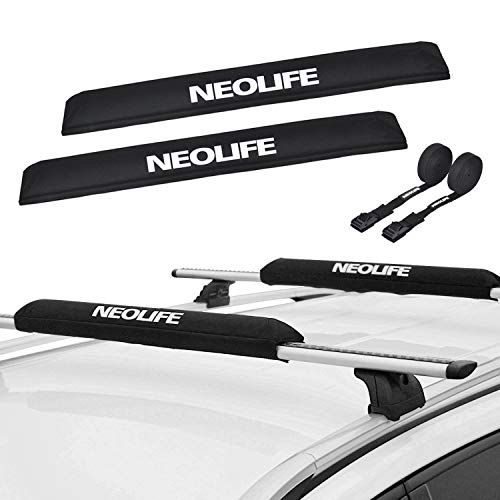
Transporting a rigid kayak on a vehicle without factory crossbars or permanent aftermarket rails often presents a challenge for recreational paddlers. Universal foam pads provide a practical, lightweight alternative that cushions bare vehicle sheet metal while supporting the boat during transit. Learning how to tie a kayak to soft roof racks correctly ensures your boat stays firmly anchored at highway speeds without scratching vehicle paint or distorting the hull. While permanent heavy-duty kayak roof rack systems offer bolted stability, portable soft setups allow spontaneous weekend paddling trips across sedans, hatchbacks, and bare-roof SUVs alike.
Securing a boat with temporary foam pads requires careful strap routing and dedicated tension management. Relying on improper buckles or failing to anchor the ends of the boat creates significant drag hazards and aerodynamic lift on open roads. Understanding the mechanics of non-stretch cam straps, vehicle door frame routing, and redundant tie-down points transforms a basic pad system into a secure transport cradle. Whether heading to a local flatwater reservoir or a remote river access ramp, following a disciplined rigging routine preserves both your vehicle finish and your paddlecraft hull.
| Award | Product | WSG Score About WSG ScoreThe WSG Score is our own rating from 0 to 10, based on performance, design and build, ease of use, and value. It reflects independent research and is never influenced by manufacturers, retailers, or affiliate commissions. Learn more › | |
|---|---|---|---|
| Best Overall |
WONITAGO 28-Inch Soft Roof Rack Pads with 15ft
|
9.1/10 | Buy |
 Abahub 32-Inch Soft Roof Rack Pads and Tie-Down
|
8.9/10 | Buy | |
 MeeFar 32.5-Inch Soft Roof Rack Pads
|
8.6/10 | Buy |
WONITAGO 28-Inch Soft Roof Rack Pads with 15ft
The WONITAGO 28-Inch Soft Roof Rack Pads provide protective 600D polyester cushioning and heavy-duty 15-foot tie-down straps to transport surfboards safely on vehicle crossbars. Designed for universal fitment, this set is ideal for surfers and paddleboarders needing a dependable, ding-preventing vehicle transport solution.
Pros
- Durable 600D polyester and waterproof sleeve construction for outdoor longevity
- Includes two long 15-foot tie-down straps designed with UV and abrasion resistance
- Heavy-duty hook-and-loop fasteners ensure quick setup on various vehicle crossbars
- Protective foam core prevents pressure dings on surfboard decks and rails
Cons
- Requires existing vehicle roof crossbars and cannot mount directly to bare car roofs
- The 28-inch width may be narrow for carrying two wide longboards or oversized SUPs side-by-side on wider vehicles
- Does not include locking cam buckle covers or integrated anti-theft cable locks
Abahub 32-Inch Soft Roof Rack Pads and Tie-Down
The Abahub 32-Inch Soft Roof Rack system provides a dependable, portable transport solution for carrying surfboards, longboards, and foamies on cars without factory crossbars. Featuring dense EVA foam padding and durable 1680D fabric with neoprene buckle sleeves, it protects both your car roof and board rails on coastal surf trips.
Pros
- Universal compatibility fits almost any 2-door or 4-door vehicle without requiring permanent roof rails or crossbars
- Comprehensive tie-down package with multiple 13-foot and 16-foot straps plus neoprene buckle guards
- Thick EVA foam core and rugged 1680D outer fabric shield vehicle paint and surfboard hulls from pressure dings
- Quick setup and breakdown make it easy to stow in the trunk between coastal surf sessions
Cons
- Pass-through cabin straps can wick rainwater into the car interior during wet coastal storms
- High-speed highway driving may generate strap vibration hum without twisting the webbing during installation
- Soft foam pad design requires manual tensioning and routine strap checks before high-speed freeway travel
MeeFar 32.5-Inch Soft Roof Rack Pads
Designed for vehicles with or without gutters, this portable foam pad system provides a tool-free transport option for surfboards, kayaks, and SUPs. The non-slip base and EVA cushioning safeguard car paint while keeping outdoor cargo secure on the road.
Pros
- Universal design fits most bare roof vehicles
- Padded cam locks prevent metal buckles from scratching paint
- Complete strap and rope kit included out of the box
- Folds down easily into a compact storage bag
Cons
- Capacity limited to one or two watercraft
- Requires routing straps through vehicle doors and cabin
- Not intended for permanent exterior vehicle mounting
Detailed Walkthrough on How to Tie a Kayak to Soft Roof Racks Safely
Securing a paddlecraft directly to a bare vehicle roof requires an exact balance of friction, tension, and structural anchoring. Soft roof racks rely on high-density foam padding and heavy-duty webbing straps rather than rigid steel crossbars to support your gear. Learning how to tie a kayak to soft roof racks allows you to transport your boat safely without risking hull distortion or vehicle paint damage.
Understanding the Mechanics of Soft Roof Racks
Soft roof racks function as temporary load-dispersing cradles that rest directly against your vehicle roof panels. Because cars lack built-in mounting channels on slick roofs, the downward weight of the kayak must be spread across resilient foam blocks. High-density EVA foam and dense composite padding absorb road vibrations while contouring around both the vehicle curvature and the kayak hull. This cushioned contact area creates substantial surface friction that resists side-to-side shifting during cornering maneuvers.
Unlike rigid bolt-on roof racks that anchor to fixed sheet-metal weld points, soft racks depend entirely on interior webbing tension to stay planted. The straps loop through the vehicle cabin, pulling the pads downward against the roof while holding the kayak tight against the pads. Airflow rushing over the kayak at highway speeds generates aerodynamic lift that tries to peel the boat upward. Maintaining balanced strap tension across multiple independent loops counteracts that lift and keeps your payload stable on open roads.
Selecting Cam Straps Over Ratchet Mechanisms
Paddlers must always use friction-lock cam straps rather than mechanical ratchet straps when securing paddlecraft to soft pads. Mechanical ratchet bars generate immense leverage that easily exceeds several hundred pounds of localized crushing force. Pulling a ratchet handle can crack composite fiberglass hulls, split thermoformed ABS seams, and permanently indent rotomolded polyethylene plastic. This plastic deformation, known as oil-canning, ruins the hydrodynamic efficiency of the boat and weakens the hull bottom.
Cam buckles operate on a spring-loaded thumb catch equipped with ribbed metal teeth that bite securely into polyester webbing. You can only tighten a cam buckle as far as your personal arm strength allows, which provides a natural physical safeguard against over-compression. The teeth hold tension reliably under dynamic road bouncing while still allowing quick release at the boat launch. High-quality marine-grade cam straps offer break strengths well suited for roof-top transport without placing destructive crushing stress on plastic gunwales.
Inspecting Foam Pads and Webbing Hardware
A thorough safety inspection of all transport components should always precede loading your kayak onto the car. Examine the outer fabric sleeves of the soft pads, looking for torn seams, thinned material, or broken stitching along strap anchor loops. Pads built with 600D or heavy 1680D polyester fabric provide dependable tear resistance against sharp boat edges and continuous highway wind shear. Ensure the internal EVA foam core remains resilient and has not flattened into an unsupportive block from previous heavy loads.
Next, carefully inspect the webbing straps along their entire length for fraying, edge cuts, or UV degradation from sun exposure. Check the metal cam buckles for corrosion, weak internal springs, or bent release levers that might slip under highway load. Neoprene protective pads or fabric sleeves behind the buckle housing are crucial for preventing chipped automotive paint and gouged kayak hulls. If any strap shows frayed strands or a loose clamp spring, replace it immediately before attempting vehicle transit.
Preparing the Roof Surface and Positioning Pads on Structural Pillars
Placing soft roof pads onto a dirty vehicle surface is the leading cause of scratched clear coats and swirled automotive paint. Road grit, dust particles, and sand grains trapped beneath the pads act like sandpaper when the pads shift under wind buffeting. Wipe down the roof thoroughly with a clean microfiber towel and quick detailer spray before setting the foam blocks in place. Cleaning takes only two minutes and preserves the cosmetic value of your car finish.
Automotive roof sheet metal is thinnest directly in the center and can flex downward under heavy vertical loads. To prevent roof denting, place the soft rack pads directly above the structural pillars of the vehicle chassis. Position the front pad directly over the B-pillar, which is the steel frame post between the front and rear passenger doors. Place the rear pad over the C-pillar near the back doors where roof stamping is most rigid, maintaining a 24 to 36 inch spread.
Anchoring the Base Pads Through the Vehicle Cabin
Soft rack pads typically feature independent base straps that clamp the foam blocks firmly against the bare vehicle roof. Open all passenger doors before routing these straps to prevent accidentally securing your doors shut. Pass the strap webbing through the upper door openings across the interior headliner of the vehicle cabin. Thread the free end into the cam buckle, pulling the webbing firmly until the foam block compresses snugly against the roof panel.
Never route base straps over the exterior window glass or through open rolled-down window frames. Routing straps through open windows traps the glass, breaks window seals, and risks shattering door panes when tension is applied. If your car is equipped with side-curtain airbags, check that the interior strap passes beneath the airbag housing along the ceiling rather than across its deployment path. Close each vehicle door firmly over the flat strap webbing to verify that the weatherstripping seals flush without bunching.
Hoisting and Balancing the Kayak Hull
Lifting a kayak onto a roof rack requires steady body mechanics to prevent back strain and vehicle impact. If you are handling a 40 to 60 pound hull alone, position a floor mat beside the car and rest the stern on the ground before pivoting the bow upward. Lift the boat onto the padded soft racks with the cockpit facing upward for wide sit-on-top fishing craft, or deck-down for standard recreational sit-inside kayaks featuring peaked decks. Positioning a kayak deck-down on soft foam often provides a flatter contact plane that prevents rocking.
Center the kayak along the vehicle longitudinal axis so the balance point rests evenly between the front and rear pads. If the boat sits too far forward, oncoming highway airflow pushes up beneath the overhanging bow and creates excessive lift. If the boat rests too far back, tailwinds and crosswinds can cause severe fishtailing and yawing movements. Adjust the kayak forward or backward until the widest beam portion sits centered between the two foam supports.
Routing Primary Cam Straps and Protecting Vehicle Paint
Once the kayak is resting securely on the foam pads, use two heavy-duty cam straps to lash the boat to the vehicle. Position one strap over the hull near the front pad and the second strap over the hull near the rear pad. Depending on your soft rack design, the straps will either loop through integrated pad D-rings or pass entirely through the car cabin a second time. Routing the load straps through the vehicle interior offers the highest level of redundant security for highway driving.
Metal cam buckles swinging in the wind or dropped during loading can chip windshields and dent car door panels. Always use cam straps fitted with thick neoprene or rubber protective sleeves that wrap around the buckle body. When tossing straps over a loaded kayak, hold the buckle in your hand and toss only the light webbing tail across the boat deck. Position the buckle high on the kayak hull rather than against vehicle paint, and pull down firmly to compress the foam without denting the plastic.
Rigging Mandatory Bow and Stern Safety Tie-Downs
Primary belly straps alone are never sufficient for transporting a 10 to 14 foot kayak on the highway at high speeds. Aerodynamic lift and turbulent head-winds exert substantial rotational torque on the hull that can peel soft pads right off the roof. Rigging separate bow and stern tie-downs provides crucial triangulation that stops forward sliding during sudden braking and prevents back-sliding during acceleration. Every paddler must treat front and rear safety lines as mandatory safety equipment, not optional extras.
Attach non-stretch rope or cam straps directly to the molded front bow handle and rear stern carry handle of the boat. Run the front line forward at a downward angle toward the vehicle front bumper, keeping moderate tension across the line. Run the rear line down toward the back bumper or trailer hitch receiver. Do not overtighten bow and stern lines to the point of bending the kayak bow downward, as this places excessive bending stress on the hull spine.
Utilizing Hood Loops and Chassis Recovery Points
Modern vehicles feature aerodynamic plastic front bumpers and fragile plastic grilles that crack if used as tie-down anchor points. Never hook your bow or stern straps to plastic fascia, trim panels, or thin radiator support braces. Instead, locate the heavy steel recovery tow loops welded underneath the front and rear chassis subframes of your vehicle. These forged steel anchor loops are engineered to bear vehicle towing loads and will easily handle kayak wind resistance.
If your car lacks accessible under-bumper steel loops, install temporary nylon hood anchor straps, commonly called T-straps or quick loops. These webbed straps feature a flexible rubber hose or plastic T-bar that slips securely under the vehicle hood edge near the front quarter panels. When you close and latch the hood, the anchor loops protrude through the hood seam to provide strong, scratch-free tie-down points. Using dual hood loops creates a balanced V-shaped anchor bridle that resists crosswind buffeting exceptionally well.
Eliminating Aerodynamic Strap Flutter and Wind Noise
Driving on the highway with flat webbing straps often produces an unbearable, loud buzzing or humming noise inside the car cabin. This sound is caused by harmonic wind flutter, where airflow vibrating across flat webbing turns the strap into a high-frequency acoustic reed. The vibration is annoying to vehicle occupants and slowly loosens cam buckle teeth under sustained travel. Fortunately, eliminating aerodynamic strap flutter takes only seconds during your initial setup.
Introduce two or three half-twists into every exposed run of flat strap webbing before tensioning the cam buckles. The helical twists disrupt smooth laminar airflow across the strap surface, breaking up vortex shedding and silencing the vibration completely. After tensioning, gather up the long excess strap tails and tie them off using multiple half-hitch knots around the load-bearing strap. Never leave loose strap tails dangling, as flapping webbing can whip vehicle paintwork and chip side mirrors.
Performing the Shake Test and Mid-Trip Retensioning
Before putting your car in gear, execute a thorough physical shake test to verify overall transport rigidity. Grab the kayak firmly by the cockpit coaming or side carry handle and vigorously shake the entire boat side to side and up and down. The kayak, soft roof pads, and vehicle body should move together as one unified, solid structure. If the kayak slides independently across the foam pads or the pads slide on the roof, unclamp the straps and re-tension the system.
Foam pads inevitably compress and settle after the first few miles of highway bumps and wind turbulence. Plan to pull over into a safe rest stop or parking area after driving roughly 5 to 10 miles to inspect your rigging. Check each primary cam buckle and pull out any newly formed slack created by foam settling or strap stretching. A quick mid-trip tension check prevents unexpected load shifting and ensures a stress-free journey to the boat ramp.
Managing Rain Infiltration and Cabin Moisture
Transporting a kayak on soft roof racks during heavy rain introduces the possibility of water leaking into the passenger cabin. Because soft rack straps pass through the door openings, water running down the vehicle roof can wick along the porous webbing past the door seals. The water follows the strap path inside and drips onto vehicle upholstery, headliners, or front seats. Paddlers traveling through rainy forecasts can take practical precautions to keep their vehicle interior dry.
Applying a light coat of automotive silicone grease or waterproofing spray along the exterior strap sections helps repel driving rain before it reaches the door frame. You can also twist the strap just before it enters the weatherstripping, creating a natural drip loop where water falls away to the ground. For extended highway driving in torrential downpours, removing the soft rack when arriving at your destination allows the car door seals to expand back to their original weather-tight profile.
Cleaning, Inspecting, and Storing Soft Rack Systems
Soft roof rack systems offer the huge benefit of portability, but they must be cared for properly between paddling adventures. After loading your boat in coastal or brackish waters, rinse both the foam pads and webbing straps with fresh tap water to remove salt crystals. Salt crust attracts environmental moisture, stiffens nylon webbing, and corrodes cam buckle springs over time. Allow the pads to dry completely in a shaded, well-ventilated space before packing them away to prevent mildew growth.
Store your soft rack pads flat or loosely rolled inside a dedicated protective duffel bag rather than leaving them mounted on your car roof permanently. Prolonged exposure to solar UV radiation degrades foam elasticity and fades polyester fabric sleeves prematurely. Leaving wet soft pads strapped to a car roof can also trap moisture against vehicle clear coats, causing clear-coat clouding under hot sunlight. Removing and storing the pads keeps them clean, resilient, and ready for your next spontaneous paddle launch.
Mastering the proper techniques for tying a kayak to soft roof racks gives you the freedom to explore remote waterways without investing in an expensive permanent roof rack system. Prioritizing clean contact surfaces, non-stretch cam buckles, and dedicated bow and stern safety lines guarantees safe highway transport for both your vehicle and your paddlecraft. With consistent pre-trip checks and careful strap management, you can focus on the water ahead with complete peace of mind.
About the author
Reuben Parsons is an experienced water-sports writer and gear reviewer specializing in surfing and stand-up paddleboarding. With a background in marine biology and more than a decade of outdoor writing, He has tested hundreds of products and spent thousands of hours evaluating outdoor gear. He approach combines technical research with genuine experience on the water.