
How to Take off a Wetsuit: Practical Guide for 2026
Learn how to take off a wetsuit quickly without damaging neoprene seams in October 2026 with our practical step-by-step techniques.
 By Edward Ting
Updated October 5, 2026
By Edward Ting
Updated October 5, 2026
Stepping off cold water after a long morning paddle leaves your fingers stiff and your neoprene suit glued to your skin. Slipping out of tight damp rubber requires deliberate technique rather than brute pulling that strains delicate blind-stitched seams. Learning how to take off a wetsuit efficiently preserves the lifespan of your thermal apparel while preventing exhausting struggles at the boat ramp or trailhead. Paddlers returning to shore in a traditional sit-in kayak often face chilled conditions where peeling off damp gear quickly is essential for personal comfort and warmth.
Neoprene works by trapping a thin film of water against your body, which creates immense surface suction when you attempt to remove the garment on dry land. Yanking aggressively from the collar or wrists can tear flexible smooth-skin panels and rip out heavy zipper tracks. A gentle inside-out peel eases the material over your shoulders, hips, and ankles with minimal physical friction. Adopting a structured peeling habit keeps your water sports equipment supple, clean, and ready for your next launch.
| Award | Product | WSG Score About WSG ScoreThe WSG Score is our own rating from 0 to 10, based on performance, design and build, ease of use, and value. It reflects independent research and is never influenced by manufacturers, retailers, or affiliate commissions. Learn more › | |
|---|---|---|---|
| Best Overall |
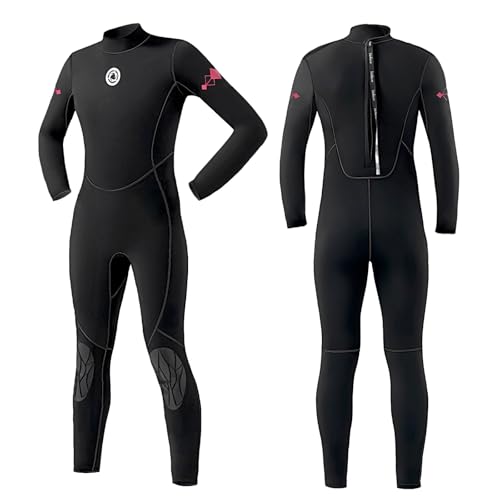
Yakevo 3mm Full Body Men's Wetsuit
|
8.8/10 | Buy |
| Best Value |
 Hevto 2mm Front-Zip Shorty Wetsuit
|
8.4/10 | Buy |
Yakevo 3mm Full Body Men's Wetsuit
Geared toward snorkeling, diving, and general paddle sports, this 3mm full wetsuit protects against UV rays and underwater abrasions while preserving flexibility. Its extended back zipper pull cord streamlines dressing without requiring assistance.
Pros
- Full-body coverage guards against UV rays and scrapes
- 3mm core provides warmth while maintaining flexible movement
- Back zipper with extended cord allows easy dressing
- Reinforced stitching helps resist wear during regular use
Cons
- Not insulated for very cold or winter diving
Hevto 2mm Front-Zip Shorty Wetsuit
Tailored for warm-water activities, this shorty wetsuit pairs 2mm neoprene with a front-zip closure for straightforward entry and free arm movement. It is an accessible choice for casual surfing, paddleboarding, and snorkeling in mild conditions.
Pros
- Front zipper makes entry and exit hassle-free
- Flexible 2mm neoprene supports natural paddling motion
- Short sleeves preserve shoulder range of motion
- High-contrast panels aid visibility in open water
Cons
- 2mm thickness is too thin for colder water temperatures
- Short legs and sleeves leave limbs exposed to scrapes
Complete Step-by-Step Guide on How to Remove a Neoprene Wetsuit
Removing wet neoprene demands patience, proper body positioning, and a methodical rolling motion that utilizes the slick interior lining of the suit. Rushing through the process usually leads to torn cuff seams, pinched skin, or blown zipper teeth that ruin expensive water sports equipment. Whether you wear a full steamer for cold open water or a lightweight shorty for mild weather, the fundamental peeling objective remains identical. Working the suit downward by peeling it inside out neutralizes suction and lets gravity assist your transition away from cold shorelines.
Understanding Surface Tension and Why Wet Neoprene Sticks
Neoprene creates a noticeable vacuum effect against human skin as soon as the internal water barrier begins to drain away after paddling. This natural surface tension causes the sticky closed-cell rubber to grip your torso, thighs, and wrists like an unyielding second skin. Trying to slide the material straight down your limbs without rolling creates extreme friction that multiplies exponentially with thicker cold-water foam. Rolling the suit outward breaks that localized suction instantly and lets the smoother nylon jersey lining slide against itself rather than dragging against your damp skin.
Form-fitting athletic cuts provide essential thermal insulation while out on the water, but they naturally increase peeling resistance once you return to your vehicle. Cold air exposure at outdoor launches cools your extremities quickly, reducing grip strength and dexterity in your fingers right when you need to handle tight cuffs. Recognizing that suction is a simple physical fluid barrier helps you avoid panic or frustrated tugging that could rupture fragile seams. Controlled peeling keeps the fabric tension distributed evenly across broader structural panels rather than concentrating stress along a single stitch line.
Staging Your Transition Area at the Launch or Tailgate
Gravel, coarse asphalt, and crushed shell sand act like abrasive sandpaper against wet neoprene fibers and delicate smooth-skin chest panels. Stepping onto bare dirt while shimmying out of lower leg cuffs embeds sharp abrasive grit directly into the flexible seams and porous synthetic foam. Placing a dedicated plastic changing mat, a clean heavy rubber tub, or a folded tarp on the ground provides a secure barrier for your bare feet. Keeping your apparel completely off abrasive terrain prevents micro-tears in the outer nylon laminate during awkward one-legged balancing maneuvers at the boat ramp.
Vehicle setup plays an equally vital role in keeping your post-paddling routine comfortable, organized, and physically safe. Packing your dry thermal clothes, dry footwear, and a large absorbent microfiber towel within easy reach avoids unnecessary exposure to brisk offshore breezes. Paddlers who finish unstrapping their hulls from a kayak roof rack should change out of their damp thermal layers before deep fatigue or shivering impairs their coordination. Having an unzipped windproof jacket nearby also keeps your core warm the moment your chest is exposed to cool coastal air.
Step-by-Step Removal for Back-Zip Full Body Wetsuits
Back-zip steamers demand a methodical approach because the main closure sits entirely out of direct line of sight behind your spine. Models like the Yakevo Men Wetsuits 3mm Full Body incorporate an extended zipper pull cord specifically designed to eliminate awkward shoulder contortions during solo changing. Start by locating the protective Velcro neck tab, peeling it back completely, and sticking it onto its reciprocal patch so the hook teeth cannot abrade surrounding jersey fabric. Reach backward over one shoulder or behind your lower back to grasp the lanyard firmly with your dominant hand.
Pull the lanyard straight upward in line with your spine until the slider clears the bottom stop, avoiding any sharp diagonal jerks that twist teeth. Once the zipper is opened completely, slip your thumbs inside the shoulder cuffs along your collarbones to push the neoprene over each shoulder cap. Shrug your shoulders forward while reaching across your chest with your right hand to grip the left upper arm and elbow region securely. Gently peel the left sleeve down over your elbow and wrist, turning the sleeve completely inside out as your arm slips free.
Repeat that exact cross-body peeling maneuver with your opposite arm until both sleeves hang fully inverted around your waistline. Next, grasp the rolled neoprene waistband with both hands and push the entire torso section downward past your hips in a continuous roll. Work the suit down over your upper thighs, making sure you push with your palms and finger pads rather than digging in with sharp fingernails. Keep rolling the suit down toward your knees so the slick inner lining continues to face outward as the material descends.
Removing Front-Zip Designs and Shorty Cut Suits
Front-zip systems and lightweight warm-water suits offer distinct ergonomic advantages during rapid changes at the water’s edge. The Hevto Shorty Wetsuit Men 2mm Neoprene Front Zip features a vertical chest zipper that allows paddlers to open the suit instantly without awkward reach. Unzipping the front track completely opens the neck coaming, letting you shrug each shoulder free with natural forward reach and minimal upper-body twisting. Because shorty designs stop above the knees and elbows, they generate substantially less total surface friction against your limbs during extraction.
After clearing both shoulders from a front-zip suit, peel the upper torso downward in one fluid folding motion past your beltline. The absence of long lower leg panels means you can roll the abbreviated thigh cuffs past your quads in just a few seconds. Paddlers who wear a supportive snorkel vest or paddling life jacket will find that shedding a 2mm shorty takes minimal energy after moderate recreational outings. Maintaining smooth downward pressure ensures the zipper teeth never catch on interior modesty flaps or base layer garments during the exit.
Clearing Stubborn Wrists and Ankles Without Damaging Seams
Narrow ankle and wrist cuffs create the tightest choke points on any full-coverage immersion suit because limbs taper toward wider joints. Tugging the cuff edge from the outside merely rolls the rubber into a tight, binding ring that cuts off circulation and resists movement. Instead, slide two fingers inside the inverted cuff to create a small pocket of air between the neoprene and your ankle bone. This air pocket instantly breaks the vacuum seal, allowing your heel to pop backward through the enlarged foot opening smoothly without straining the hem.
Never attempt to pry an ankle cuff open by jamming your opposite foot onto the dangling lower seam while standing upright. Stepping on the suit while yanking your leg upward places immense shear tension on critical glue lines and delicate blind stitches. Sit down safely on the edge of your car bumper, open tailgate, or a sturdy camp chair to maintain balance during the extraction. Slipping one foot out at a time while supporting the inverted fabric with your hands protects the cuff hems from fraying or tearing prematurely.
Protecting Neoprene from Fingernail Gouges and Excessive Stress
Raw neoprene foam and smooth-skin rubber panels are exceptionally vulnerable to pinpoint punctures from sharp fingernails. Digging your tips into wet rubber while pulling hard creates crescent-shaped gouges that quickly turn into structural tears under water pressure. Always handle your wet apparel using open palms, flat thumb pads, or loose knuckles to spread tensile stress across broad surface areas. Training yourself to push the material downward rather than pulling it upward eliminates virtually all puncture risks while peeling damp suits.
Yanking aggressively on suit seams when cold water has stiffened your fingers often leads to sudden catastrophic fabric failure. Modern suits utilize flexible blind stitching and heat-welded tape that tolerate linear stretching along body contours but fail under concentrated twisting. When a section feels locked or unyielding, stop pulling immediately and reassess where the fabric is bunched together around your joints. Smoothing out folds and restoring the inside-out rolling motion consistently frees the bind without compromising delicate structural bonding along the seams.
Useful Transition Accessories and Friction-Reducing Hacks
Experienced ocean paddlers and divers frequently utilize simple transition accessories to make peeling out of tight gear effortless. Stepping inside a waterproof changing bucket or standing on an oversized drawstring wetsuit bag keeps your inverted gear contained and clean. These specialized bags cinch into compact, leak-proof bundles that transport wet gear home inside your vehicle without soaking floor carpets. Carrying a dedicated changing poncho also provides essential privacy and blocks biting crosswinds while you work through the stripping steps at public launches.
Paddlers who regularly struggle with tight ankle openings can benefit from using ordinary plastic grocery bags as temporary sliding sleeves. Slipping a lightweight plastic bag over your foot before pulling the suit off creates an almost frictionless surface for your heel to glide through. Biodegradable wetsuit lubricants or natural hair conditioner diluted in warm water can also be applied around tight wrist seals prior to launching. These skin-safe solutions maintain lubricity throughout your session, ensuring the cuff slides away freely the moment you break the initial suction.
Post-Session Rinsing, Drying, and Storage Protocols
Leaving your peeled suit inside out after removal is actually beneficial for the initial cleaning and drying phase. Salt crystals, harsh minerals, and organic river debris trapped inside the jersey lining will break down synthetic cellular foam if left unwashed. Rinse both the interior and exterior surfaces thoroughly with cool fresh water as soon as you return home from your paddling session. Never use hot water, industrial laundry detergents, or home washing machines, as intense heat and agitation dissolve heat-activated seam glue and weaken structural thread.
Hang your damp suit folded evenly across a broad plastic hanger or through the open center bar of a heavy-duty clothes hanger. Never hang a waterlogged suit by its neck collar on a thin wire hanger, because the heavy downward weight permanently stretches the shoulder seams. Allow the suit to drip-dry in a well-ventilated, shaded garage or covered patio away from direct solar radiation. Ultraviolet rays degrade raw neoprene cells quickly, making the flexible rubber brittle, stiff, and increasingly prone to tearing during future transitions.
How Neoprene Thickness and Construction Influence Removal
Different neoprene thicknesses directly govern both flexibility and mechanical resistance during peeling after aquatic activities. A dense 3mm or 4mm full steamer offers superior thermal insulation for brisk open bays but possesses thicker panel walls that resist bending over joints. Conversely, a supple 2mm shorty offers generous arm articulation and stretches freely, making the stripping process significantly faster for recreational users. Understanding your suit’s specific thickness helps you gauge how much time and patience your transition will require at the vehicle before launching.
Seam construction also determines how forgiving a particular garment will be under tension during post-paddle peeling routines. Flatlock stitching offers excellent breathability and flex for warmer water, while glued and blind-stitched seams prioritize watertight integrity in colder conditions. Glued seams require gentler handling around high-stress transition zones like armpits and groin intersections where multiple panels converge. Treating every seam with care ensures your technical apparel retains its thermal efficiency, water-tightness, and flexible fit across many seasons of aquatic exploration.
Establishing a Reliable Post-Paddling Changing Routine
Creating a consistent sequence each time you step off the water eliminates the frantic wrestling match that catches so many paddlers off guard. Taking thirty seconds to mentally walk through each peel from neck to ankles keeps you calm and deliberate even when the wind picks up. Having your dry towel and fleece ready immediately next to your changing mat ensures that warm comfort follows just seconds after the suit drops. Consistency in your technique protects both your physical energy and the expensive water gear that keeps you safe out on the water.
Practicing these simple movements transforms wetsuit removal from a dreaded struggle into an effortless two-minute transition. By letting the suit roll inside out naturally, using your palms instead of fingernails, and breaking cuff suction with a gentle finger pocket, you safeguard every seam against premature wear. Quality neoprene gear represents a key investment in your aquatic comfort, warmth, and on-water confidence across diverse weather conditions. Treating your apparel with practical care at the shoreline ensures it remains flexible, warm, and ready whenever adventure calls.
About the author
Reuben Parsons is an experienced water-sports writer and gear reviewer specializing in surfing and stand-up paddleboarding. With a background in marine biology and more than a decade of outdoor writing, He has tested hundreds of products and spent thousands of hours evaluating outdoor gear. He approach combines technical research with genuine experience on the water.