
How to Plug Holes in Kayak: A Practical Guide for 2026
Learn how to plug holes in kayak hulls, seal scupper drains, and stay dry on cold water with simple steps updated for October 2026.
 By Marius Fox
Updated October 5, 2026
By Marius Fox
Updated October 5, 2026
Puddles forming under your seat or around your feet can quickly turn a peaceful morning paddle into a chilly, uncomfortable ordeal. Most open-deck sit-on-top watercraft feature built-in drainage conduits through the deck, but understanding how to plug holes in kayak hulls is essential when you want to stay dry on flatwater. While traditional single sit-in kayak models rely on spray skirts and cockpit coamings to shed splash, sit-on-top hulls utilize molded scupper drains to let incoming wash escape automatically. Installing the right scupper plugs or threaded hull drain bungs allows you to block incoming water when you are cruising on calm lakes, recreational reservoirs, or slow rivers.
Choosing the proper sealing method depends entirely on whether you are blocking functional cockpit scupper holes or securing a threaded stern drain that keeps the hollow bilge dry. Inserting flexible stoppers into self-bailing scupper conduits prevents cold lake water from bubbling up from underneath when carrying heavy gear. We have gathered the top replacement drain plugs and scupper stoppers on the market, ranging from multi-tiered rubber bungs to threaded nylon direct-hull bungs. This guide breaks down exact measurements, insertion techniques, and critical paddling safety rules so you can keep your cockpit dry without compromising rough-water seaworthiness.
| Award | Product | WSG Score About WSG ScoreThe WSG Score is our own rating from 0 to 10, based on performance, design and build, ease of use, and value. It reflects independent research and is never influenced by manufacturers, retailers, or affiliate commissions. Learn more › | |
|---|---|---|---|
| Best Overall |
GanFindX Kayak Scupper Plugs 4-Pack
|
9.1/10 | Buy |
| Best Premium |
 AMURS 12-Pack Silicone Kayak Scupper Plugs
|
8.4/10 | Buy |
| Best Budget |
 H2o Kayaks Universal Kayak Direct Drain Plug
|
8.3/10 | Buy |
| Best Value |
 CANALHOUT 8-Piece Kayak Scupper Plugs Kit
|
8.1/10 | Buy |
 Ruppence 1.25-Inch Scupper Plugs (6-Pack)
|
8.1/10 | Buy |
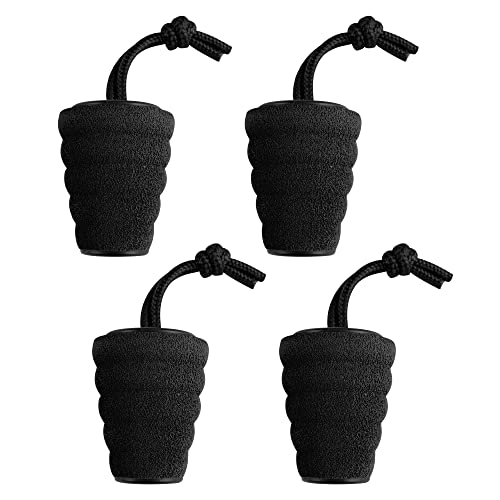
GanFindX Kayak Scupper Plugs 4-Pack
Designed for sit-on-top kayaks with 1.4- to 1.7-inch drain holes, these GanFindX tapered EVA foam scupper plugs offer compressible sealing and pull lanyards to help prevent water washback and maintain a drier ride on calm waters.
Pros
- Flexible EVA foam compresses easily to form a snug seal against scupper walls
- Convenient pull cords make plug removal quick without needing to pry edges
- Helps eliminate water puddling under your seat and feet on calm flatwater
- Affordable four-pack covers the primary cockpit drain locations for most solo hulls
Cons
- Requires measuring scupper hole diameter prior to buying to ensure proper fit
- Must be removed in rough chop or surf to allow the kayak deck to self-bail
- Friction-fit plugs can occasionally shift if kicked repeatedly in tight footwells
AMURS 12-Pack Silicone Kayak Scupper Plugs
Designed for sit-on-top paddlers seeking a dry deck ride, the AMURS 12-piece scupper plug kit features durable silicone pull handles and triple-ribbed sealing for scupper holes measuring 1.35 to 1.55 inches. It is an affordable, practical outfitting pack for recreational kayakers and anglers wanting reliable deck dryness on calm waters.
Pros
- Integrated silicone pull handles eliminate frayed or rotted cord lanyards
- Triple-ring ribbed exterior provides a secure friction fit against water ingress
- Generous 12-piece pack easily equips multiple kayaks or keeps spares in dry bags
- Tapered sizing accommodates common 1.35 to 1.55-inch sit-on-top drain holes
Cons
- Only fits scupper holes within the 1.35 to 1.55-inch range, requiring careful hole measurement before purchase
- Plugging scuppers disables the kayak's natural gravity-fed self-bailing capability during heavy rain or rolling chop
- Smooth silicone surfaces can feel slick to grasp with wet or neoprene-gloved hands
H2o Kayaks Universal Kayak Direct Drain Plug
The H2o Kayaks Direct Drain Plug is an ultra-lightweight moulded nylon replacement bung with a rubber seal designed to thread directly into pre-tapped kayak hull sockets. It is an ideal replacement or dry-bag spare for recreational paddlers and kayak anglers wanting to keep their inner hull dry and easily drained after a day on the water.
Pros
- Direct-thread design installs quickly by hand into compatible hull drain sockets
- Moulded nylon build resists corrosion, salt spray, and seizing over extended seasons
- Rubber seal gasket helps create a snug barrier against hull water intrusion
- Ultra-lightweight at 0.0125 pounds, making it an effortless spare for tackle boxes or dry bags
Cons
- Requires matching hull thread pitch and socket diameter to ensure a proper watertight fit
- Rubber gasket can dry out or degrade over multiple seasons of UV exposure and will require routine inspection
- Lacks an integrated retaining tether, meaning it can be misplaced if dropped at a boat ramp
CANALHOUT 8-Piece Kayak Scupper Plugs Kit
Molded from flexible, buoyant TPE, this eight-pack of CANALHOUT scupper bungs securely seals 0.75-inch to 1.25-inch drain holes to prevent water washback on sit-on-top kayaks. It is an ideal deck outfitting accessory for recreational paddlers and kayak anglers seeking a drier seating area on flatwater lakes and slow rivers.
Pros
- Integrated top pull handle avoids fragile nylon pull cords that degrade over time in water
- Buoyant hollow TPE construction floats on the surface if dropped overboard
- Generous eight-pack provides full coverage for multi-drain sit-on-top hulls with spare bungs included
- Multi-ring stepped taper accommodates subtle drain hole variations between 0.75 and 1.25 inches
Cons
- Sized specifically for 0.75-inch to 1.25-inch openings, requiring accurate caliper measurement before purchasing
- Stoppers must be manually removed when rapid deck drainage or self-bailing is required in rough chop
- May require firm thumb pressure to fully seat inside slick or irregular rotomolded scupper tubes
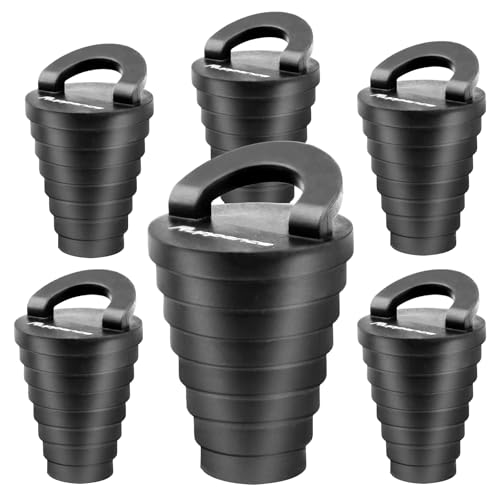
Ruppence 1.25-Inch Scupper Plugs (6-Pack)
Built with six-layer flexible coils and sturdy pull rings, these Ruppence plugs provide a quick, watertight seal for marine drain openings between 0.75 and 1.25 inches. They offer kayak paddlers and anglers reliable livewell and bilge protection against saltwater, extreme temperatures, and UV exposure.
Pros
- Integrated ring pulls enable fast, tool-free removal
- Marine-grade rubber resists saltwater and sun damage
- Performs reliably across extreme temperature ranges
- Multi-tiered coils adjust to slight diameter variations
Cons
- Will not fit drain openings larger than 1.25 inches
- Requires precise hole measurement prior to purchase
Practical Guide to Plugging Kayak Holes, Scuppers, and Hull Drains
Plugging holes in a kayak is one of the quickest ways to customize your on-water comfort, but doing it correctly requires understanding what each hole actually does. Sit-on-top cockpits rely on open scupper passages to drain water automatically, while hollow rotomolded hulls use threaded drain bungs at the stern to vent condensation and empty interior bilges. Inserting the wrong stopper or blocking drainage in rough conditions can compromise your craft’s stability or leave you swamped. This detailed breakdown explains how to identify each opening, measure hole diameters accurately, select compatible materials, and install plugs securely for a dry, safe voyage.
Identifying Kayak Openings: Scupper Holes versus Hull Drain Plugs
Modern rotomolded polyethylene kayaks feature two distinctly different types of factory-molded holes that serve opposite purposes. Scupper holes are open vertical drainage tubes molded directly through the deck and bottom of sit-on-top kayaks. These conduits allow water washing over the gunwales from waves or paddle drip to exit the cockpit floor freely under gravity. Because these scupper passages connect directly to the open water beneath the hull, they occasionally let water push upward into the footwells when the boat sits low in the water.
Direct hull drain plugs, by contrast, are small threaded fittings located above the waterline, typically installed at the stern or bow of a sealed hollow hull. These threaded bungs, such as the molded nylon units from H2o Kayaks, seal the interior airspace of the kayak to prevent water from entering the enclosed hull cavity. Kayakers only remove these perimeter plugs once the craft is back on dry land to drain condensation or accumulated bilge water. Confusing these two opening types can lead to serious mistakes, such as leaving an open bilge unsealed or permanently sealing a functional self-bailing scupper.
Why Water Enters Through Open Cockpit Scuppers
Cockpit water pooling occurs primarily because of physics and Archimedes’ principle of displacement. When you sit in a kayak, your body weight combined with heavy gear pushes the hull deeper into the water column, displacing a volume of water equal to that total mass. If that combined load sits near the boat’s maximum payload capacity, the cockpit floor may sink lower than the surrounding surface water level. As a result, water naturally rises up through open scupper tubes until the water level inside the footwells matches the exterior waterline.
Paddlers also experience scupper flooding when navigating choppy lake surfaces or heading directly into steady head-winds. Surface waves slap against the bottom hull openings, forcing brief surges of spray upward onto your deck and seating area. While this upward movement is completely normal for a self-bailing hull, it can saturate seat cushions and leave you sitting in cold water for hours. Learning how to temporarily block these conduits keeps your cockpit dry during flatwater cruises while preserving your option to unplug them when open-water bailing becomes necessary.
How to Measure Scupper Openings for an Exact Plug Fit
Scupper holes are rarely uniform cylinders because the rotational molding process creates a natural vertical taper from the cockpit deck down to the hull bottom. To find a plug that seals tightly, measure both the upper entry diameter on your deck and the narrower internal channel using a standard vernier caliper. Measuring with a flexible tape measure or ruler often introduces errors that cause you to buy plugs that slip straight through or sit too high. Record the exact internal diameter in tenths of an inch to compare against manufacturer sizing ranges.
Drain diameters vary widely across different kayak manufacturers and even between different model years of the same brand. Compact recreational models often feature narrower scuppers measuring between 0.75 and 1.25 inches, which suit multi-layered ribbed bungs like those produced by CANALHOUT or Ruppence. Larger fishing craft and heavy-duty tandem kayaks frequently utilize wider 1.4 to 1.7-inch conduits that require broader stoppers such as the GanFindX EVA plugs or AMURS silicone plugs. Checking your specific deck measurements prevents loose plugs that dislodge during paddling or tight plugs that jam permanently in the channel.
Material Considerations: Silicone, EVA Foam, and Marine Rubber
The material composition of a scupper stopper determines its sealing compression, durability, and resistance to environmental breakdown. Silicone plugs offer exceptional flexibility and maintain an airtight seal against textured rotomolded plastic walls. As seen in the AMURS scupper kit, silicone remains pliant across wide temperature swings and incorporates integrated friction ribs that prevent water seepage. Silicone also resists ozone, salt residue, and ultraviolet degradation, ensuring that the plug does not dry out or crack after seasons in direct sunlight.
Flexible ethylene-vinyl acetate (EVA) foam presents an alternative lightweight option with impressive deformation characteristics. Plugs made from dense EVA, such as the GanFindX design, compress easily under hand pressure to mold into irregular or oblong drain holes. The natural cellular structure of EVA provides buoyancy, meaning the stopper floats if you accidentally knock it into the water during an on-water adjustment. However, repeated compression over several seasons can cause EVA foam to hold an indent, eventually requiring replacement to restore a watertight seal.
Marine-grade rubber and thermoplastic elastomers (TPE) combine the firm shape retention of molded rubber with synthetic chemical resistance. Multi-layer rubber stoppers, such as the six-layer coil bungs from Ruppence, flex dynamically to cover a broad range of hole diameters while resisting saltwater corrosion. TPE material, used in CANALHOUT plugs, is non-toxic, odorless, and buoyant enough to float alongside your boat if dropped overboard. Choosing between these materials comes down to personal preference for insertion stiffness, longevity, and tactile grip when wet.
Step-by-Step Procedure for Installing Push-Fit Scupper Plugs
Proper installation begins with a clean, debris-free scupper channel to ensure the stopper ribs form a continuous mechanical seal against the plastic. Rinse out accumulated sand, river silt, or dried leaves from each scupper conduit using clean water and a rag before inserting any hardware. Debris trapped between the plug wall and the polyethylene hull creates micro-gaps that allow capillary action to draw water slowly into your cockpit. Inspect the plastic rim for severe gouges or molding seams that might impede a tight friction fit.
Align the narrow bottom tip of the tapered plug directly over the center of the scupper opening on your deck. Press straight downward with steady palm pressure, rotating the stopper slightly to help the horizontal sealing ridges compress into the opening. Push the plug until the wider top collar sits flush or slightly recessed below the deck surface to prevent your heels or gear crates from dislodging it. Avoid hammering or forcing an oversized plug, as excessive force can deform the scupper conduit or make emergency removal nearly impossible.
Verify that the pull mechanism remains accessible and unobstructed once the stopper is fully seated. Plugs equipped with molded pull rings or reinforced silicone handles, like the AMURS design, allow for quick one-finger extraction even when wearing wet paddling gloves. If your plugs use cord lanyards, ensure the cord lies flat across the deck where it will not tangle with fishing lines or paddle leashes. Give each seated plug a gentle tug upward to confirm that friction holds it firmly against upward hydrostatic water pressure.
Installing and Sealing Threaded Direct Hull Drain Bungs
Unlike push-fit cockpit scuppers, direct hull drain bungs secure the watertight integrity of the entire hollow boat structure. When installing a threaded replacement plug like the H2o Kayaks molded nylon assembly, inspect the female hull flange for stripped plastic threads or dirt buildup. Clean the mating surfaces thoroughly and inspect the perimeter rubber O-ring or sealing gasket for flattening, cracks, or dry rot. A compromised rubber seal allows water to seep directly into the inner hull, gradually reducing buoyancy throughout your paddling trip.
Thread the drain bung clockwise into the hull receiver by hand, ensuring that the threads engage smoothly without cross-threading. Tighten the plug firmly until the rubber gasket compresses evenly against the outer hull collar, creating an airtight barrier. Never use heavy pliers or wrenches to overtighten plastic drain bungs, as excessive torque will strip the coarse nylon threads or crack the surrounding polyethylene flange. A firm hand-tight seal provides complete protection against water intrusion while allowing easy removal once you return to the boat ramp.
Crucial Scupper Safety Rules: When to Unplug for Self-Bailing
Plugging your scupper holes delivers a completely dry ride on calm inland lakes, but it also disables the kayak’s primary self-bailing safety mechanism. In open water, coastal estuaries, or rough river currents, wind chop and boat wakes inevitably splash over the deck. If your scupper plugs remain tightly seated, that incoming water cannot escape, causing it to pool rapidly around your seat and footwells. Accumulated water creates a dangerous free-surface effect, sloshing from side to side and severely destabilizing your craft’s balance.
Remove all cockpit scupper plugs immediately whenever paddling in breaking ocean surf, fast-moving river rapids, or open bays subject to sudden wind squalls. The open conduits allow swamped water to drain out within seconds, quickly restoring the boat’s primary stability and handling responsiveness. If you are operating heavier motorized pedal kayak platforms, maintaining open drainage is even more critical because the extra weight of batteries and drive units reduces overall freeboard. Keep your removed plugs secured to deck bungees or gear tracks so you can reinstall them once you return to sheltered waters.
Always respect the manufacturer’s maximum weight capacity and adhere strictly to the 70 to 75 percent safe payload threshold. Exceeding this working capacity buffer pushes your deck so deep that even installed scupper plugs may experience excessive hydrostatic pressure from below. Overloaded hulls sit dangerously low in the water, compromising reserve buoyancy and increasing the risk of capsize in minor boat wakes. Calculating your combined weight with all tackle, coolers, and safety gear ensures that plugging holes does not mask a dangerously overloaded watercraft.
Repairing Accidental Hull Cracks and Punctures
Accidental hull punctures, oyster-bar gashes, or stress cracks require an entirely different approach than plugging intentional scupper or drain openings. Inserting a rubber stopper into an irregular hull fracture will only split the surrounding plastic further under hydraulic stress. For temporary field repairs when paddling near shore, marine-grade epoxy putty or specialized waterproof adhesive patches can seal minor punctures long enough to reach safety. These quick fixes are strictly emergency measures designed to keep the hull afloat until permanent repairs can be executed on dry land.
Permanent structural repair on high-density polyethylene (HDPE) kayaks requires plastic welding using matched polyethylene filler rods and controlled heat. Polyethylene has a low surface energy, meaning standard glues, silicone caulks, and fiberglass resins cannot form a lasting molecular bond with the hull. Technicians bevel the crack, drill small relief holes at both ends to stop crack propagation, and melt virgin HDPE into the seam. If a crack occurs along a high-stress area like a scupper tube weld, professional inspection is necessary to determine whether the hull remains structurally safe.
Preventing hull punctures and stress cracks starts with proper off-water handling, transportation, and dedicated storage habits. Storing a heavy boat on narrow bars or overtightening ratchet straps during highway transit can cause permanent hull oil-canning and thin out the plastic bottom. Storing your craft on a dedicated heavy-duty kayak storage rack using wide, padded support cradles distributes hull weight evenly and prevents distortion. Keeping your kayak shielded from prolonged UV sunlight exposure also preserves plastic elasticity, minimizing the risk of brittle fractures over time.
Water Safety Protocols and Pre-Launch Drain Inspections
Every safe outing begins with a thorough pre-launch checklist that includes verifying every scupper plug and hull drain bung. Ensure your stern drain plug is hand-tightened and the rubber gasket is intact before backing down the boat ramp or sliding into the water. Forgetting the rear drain plug allows the inner hull to fill silently with water, leading to a catastrophic loss of buoyancy far from shore. Make inspecting and seating your plugs an automatic habit alongside your life jacket and paddle checks.
United States Coast Guard regulations under Title 33 CFR Part 175 mandate that all paddlecraft carry a properly fitted, USCG-approved Type III or Type V wearable personal flotation device (PFD) for each person on board. Kayakers must also carry an efficient sound-producing device, such as a pea-less safety whistle, attached directly to their PFD vest. Having reliable safety gear ensures that if an unexpected plug failure or hull breach occurs, you maintain immediate flotation and can signal nearby boaters for assistance. Practicing deep-water re-entry techniques near shore builds confidence in handling an unexpectedly swamped boat.
Routine Maintenance and Cleaning for Kayak Plugs and Drains
Routine cleaning extends the lifespan of both flexible scupper stoppers and rigid threaded nylon drain bungs. After paddling in saltwater, brackish estuaries, or muddy rivers, rinse your plugs and scupper tubes thoroughly with fresh water to wash away abrasive salt crystals and grit. Salt buildup acts like fine sandpaper, eroding rubber gaskets and degrading the sealing ribs of silicone or TPE stoppers. Allow the plugs to air dry completely before storing them in a cool, ventilated compartment away from direct sunlight.
Inspect your plugs periodically for signs of material fatigue, hardening, or persistent deformation. Check silicone handles and cord lanyards for fraying, cracking, or weak attachment points where repeated pulling could snap the handle during an on-water adjustment. Applying a light coating of food-grade silicone grease to rubber O-rings on threaded drain bungs keeps the elastomer supple and maintains an airtight seal. Replacing worn, torn, or sun-baked plugs each paddling season ensures reliable performance and keeps your kayak dry on every journey.
Mastering the mechanics of plugging holes in your kayak allows you to tailor your paddling experience precisely to the water conditions ahead. Selecting the correct plug diameter, choosing durable materials like silicone or marine rubber, and respecting the self-bailing requirements of rough water ensures both comfort and safety. Keep your drain bungs inspected, your safety gear secured, and your payload within safe operational limits so you can enjoy countless dry, confident hours on the water.
About the author
Marius Fox brings extensive hands-on experience from both above and below the water. A PADI Master Scuba Diver Trainer and AIDA freediver, she has worked as a scuba instructor, managed diving operations, participated in shark research, and contributed to marine conservation projects. His expertise provides a practical perspective on diving, snorkeling, water safety, and adventure gear.