
How to Pack a Wetsuit for Travel: A Practical Guide for 2026
Learn how to pack a wetsuit for travel in October 2026 without creasing neoprene, damaging smoothskin panels, or ruining delicate back zippers during transit.
 By Edward Ting
Updated October 5, 2026
By Edward Ting
Updated October 5, 2026

Packing for a coastal expedition or a cold-water paddling trip often creates a serious luggage dilemma. Neoprene is naturally spongy, bulky, and susceptible to severe compression marks that permanently degrade thermal insulation. Learning how to pack a wetsuit for travel protects your exposure gear from ruined seams, cracked rubber panels, and distorted zipper tracks before you ever reach the shoreline. Whether you plan on catching offshore surf or paddling a sit-in kayak across chilly bays, packing your gear properly keeps you warm and mobile.
Wetsuits like the O’Neill Women’s Reactor-2 3:2mm Back Zip Full rely on closed-cell foam packed with micro-bubbles of nitrogen gas to insulate your core against cold water. Shoving this material haphazardly into a duffel bag crushes those micro-chambers and creates permanent cold spots along high-motion zones. By adopting smooth rolling techniques, protecting fragile wind-resistant smoothskin surfaces, and drying every seam before departure, you can fit full steamers, spring suits, and vests into standard luggage without structural damage.
| Award | Product | WSG Score About WSG ScoreThe WSG Score is our own rating from 0 to 10, based on performance, design and build, ease of use, and value. It reflects independent research and is never influenced by manufacturers, retailers, or affiliate commissions. Learn more › | |
|---|---|---|---|
| Best Overall |
O'Neill Men's Reactor-2 2mm Back Zip Short Sleeve
|
9.1/10 | Buy |
 O'Neill Women's Reactor-2 3/2mm Wetsuit
|
9.1/10 | Buy | |
| Best Budget |
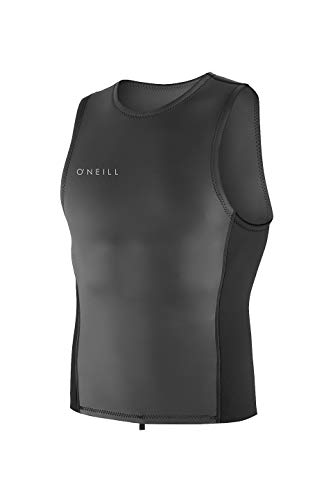 O'Neill Reactor-2 2mm Wetsuit Vest
|
8.0/10 | Buy |
O'Neill Men's Reactor-2 2mm Back Zip Short Sleeve
The O'Neill Men's Reactor-2 2mm Springsuit delivers dependable core warmth and easy back-zip entry for warm-to-temperate waters. Built with Ultra Stretch neoprene, seamless paddle zones, and wind-resistant smoothskin, it is an ideal choice for beginner surfers, paddleboarders, and recreational beachgoers.
Pros
- Easy back-zip closure allows quick solo entry and exit before and after sessions
- Ultra Stretch neoprene provides comfortable mobility across the shoulders and torso
- Wind-resistant smoothskin panels help block breeze-induced chill on breezy days
- Seamless underarm paddle zones help reduce friction and prevent painful chafing
Cons
- Short-sleeve and short-leg cut leaves arms and legs exposed to cooler water and marine elements
- Back-zip design is naturally more prone to minor water flushes during duck dives than a chest zip
- Requires accurate measurement against the size chart, as dry neoprene fits quite snugly before entering the water
O'Neill Women's Reactor-2 3/2mm Wetsuit
Designed for beginners and recreational water enthusiasts, the O'Neill Women's Reactor-2 pairs flexible neoprene with wind-blocking panels for dependable comfort. Minimal seam placement and a full back zipper make it an accessible option for surfing, paddling, and lake sports.
Pros
- Ultra-stretch neoprene allows full freedom of movement
- Seamless paddle zones reduce friction under the arms
- Smoothskin panel protects against wind chill
- Back-zip design ensures simple entry and exit
Cons
- Entry-level construction lacks advanced cold-water thermal lining
- 3:2mm thickness is unsuitable for freezing water temperatures
O'Neill Reactor-2 2mm Wetsuit Vest
Built for core warmth without restricting shoulder movement, this 2mm pullover vest is an ideal layer for surfing, paddleboarding, and warm-water paddling. Its flexible Fluidflex neoprene and windproof smoothskin cut down windchill while an integrated connector anchors it securely to your boardshorts.
Pros
- Stretchy Fluidflex neoprene allows free arm rotation
- Zipperless construction eliminates bulky hardware
- Flatlock seams sit smoothly against the skin
- Boardshort connector keeps the hem securely in place
Cons
- Zipperless pullover cut can be tough to remove when wet
- Sleeveless 2mm thickness offers limited warmth in cold water
Complete Guide on How to Pack a Wetsuit for Travel Without Damaging Neoprene
Packing a wetsuit correctly requires managing three main threats: structural creasing, mechanical abrasion from zippers, and trapped moisture. Unlike standard clothing fibers, closed-cell neoprene foam cannot bounce back easily once compressed beyond its elastic limits. Stacking heavy gear bags directly onto folded rubber permanently collapses internal gas chambers and ruins thermal performance. A systematic approach to folding, rolling, and luggage placement ensures your suit arrives at your destination in prime condition.
Understanding Neoprene Foam and the Mechanics of Crease Damage
Neoprene foam consists of synthetic polychloroprene rubber infused with millions of microscopic, sealed gas pockets. These internal bubbles resist water penetration and prevent heat loss by trapping an insulating thermal boundary against your body. When you bend neoprene into a tight crease and weigh it down inside a suitcase, the walls of those delicate cells rupture under pressure. Ruptured cells lose their trapped gas, which leaves a visible, thinned indentation that never fully recovers its original loft.
This structural failure also compromises external barrier materials. Many cold-water suits feature wind-resistant smoothskin panels across the chest and back to block evaporative cooling during windy surface sessions. Smoothskin lacks a protective woven nylon exterior, making it exceptionally vulnerable to surface cracking and permanent folding scars. Once cracked, the raw foam underneath absorbs ambient moisture and degrades rapidly when exposed to sun, salt, and friction.
Pre-Trip Cleaning and Moisture Management
Packing a wetsuit begins days before you unzip your travel luggage. Never pack a wetsuit that carries residual sea salt, river silt, or dampness from a previous session. Salt crystals dry into sharp micro-shards that grind against flatlock stitches and stretch fabrics whenever the packed suit shifts inside your luggage. Thoroughly soak your suit in fresh, cool water, gently massaging high-friction areas around the armpits and crotch to flush out hidden grit.
Allow the suit to dry completely inside out before turning it right-side out to finish drying the exterior panels. Always hang neoprene across a wide, contoured plastic bar or drape it over a horizontal beam at the waistline. Standard thin wire hangers concentrate total garment weight onto the shoulder seams, which stretches the neckline and tears internal taping. Keep your gear away from direct sunlight, garage heaters, and hot attics during the drying cycle, as radiant heat degrades the petroleum and limestone polymers inside the rubber.
The Roll Method: Protecting Full Steamers Step-by-Step
The roll method remains the gold standard for packing full-length steamers like the O’Neill Women’s Reactor-2 3:2mm Back Zip Full. Begin by clearing a clean, flat surface on a floor or large table to avoid picking up floor debris or carpet lint. Lay the wetsuit face down with the front chest panel resting against the flat surface, keeping the back zipper track fully open and aligned straight. Smooth out any fabric bunched along the knees, groin, and lower back so the garment rests completely flat.
Fold the sleeves diagonally across the back so they form an X pattern across the shoulder blades. This positioning keeps the seamless paddle zones flat and eliminates unnatural tension along the underarm gussets. Next, take the ankles and begin rolling both legs upward in a loose, cylindrical roll toward the waist. Maintain gentle, consistent pressure while rolling, ensuring you never pinch the rubber into sharp angles or tight accordion folds.
Once you reach the waistline, continue rolling the torso section upward toward the collar. The resulting neoprene cylinder cushions its own core, keeping delicate smoothskin panels safely tucked on the interior curve of the roll. If your suit uses rigid knee pads, position the roll so those stiff abrasion pads curve naturally around the exterior radius rather than bending inward against soft torso foam. Secure the completed roll inside a breathable mesh gear sack or lightweight packing cube to keep it from unraveling inside your bag.
Packing Spring Suits and Neoprene Tops
Short-sleeve spring suits and sleeveless vests require slightly different handling due to their compact dimensions. A garment like the O’Neill Men’s Reactor-2 2mm Back Zip S/S Spring suit features less bulk, but its heavy back zip assembly still demands protection. Lay the spring suit face down, fold the short sleeves flat over the back, and execute a simple single fold at the waist. Because spring suits lack long leg panels, a single wide, loose fold preserves the integrity of 2mm Ultra Stretch neoprene without building excessive thickness.
Pull-over garments like the O’Neill Men’s Reactor-2 2mm Pullover Wetsuit Vest offer excellent packing flexibility because they eliminate rigid zipper hardware entirely. You can lay a 2mm vest completely flat across the bottom of your luggage or roll it into a tight, soft cylinder that fills empty perimeter gaps. Pay special attention to the integrated boardshort connector loop on the front hem of the vest. Tuck that plastic loop inward against the soft nylon lining so it cannot rub against exterior smoothskin rubber during turbulent transit.
Luggage Architecture and Strategic Layering
Arranging your suitcase interior properly prevents heavy recreational equipment from crushing soft rubber gear. Never place your rolled wetsuit at the absolute bottom of a checked bag where heavy luggage wheel wells, frame bars, and roller mechanisms press into the foam. Instead, lay a foundational buffer layer using soft clothing like fleece jackets, boardshorts, or beach towels. Position your rolled wetsuit in the center of the suitcase, well insulated from external bag walls and zipper seams.
Keep dense, hard-edged items strictly separated from your neoprene bundle. Rigid gear like dive masks, surf fins, kayak cart cotter pins, and camera mounts should sit along the outer suitcase perimeter or inside dedicated hard-shell compartments. If you are also traveling with an inflatable snorkel vest, pack it uninflated directly beside the wetsuit to create a soft, protective buffer zone. This strategic layering distributes airport conveyor belt impacts evenly across soft textiles rather than concentrating force onto your suit.
Carry-On vs. Checked Luggage Strategies
Choosing between carry-on luggage and checked baggage depends on your destination, trip length, and gear weight restrictions. Traveling with your wetsuit in a carry-on guarantees that your primary thermal protection arrives safely even if the airline misplaces your checked hold luggage. A 2mm spring suit or pullover vest easily rolls into standard domestic overhead roller bags with minimal space penalty. However, a dense 3/2mm or thicker full steamer consumes significant carry-on volume, leaving little space for dry clothing.
If you must check your primary suit, place it inside an internal waterproof dry bag within your checked duffel. Baggage handlers frequently load luggage onto open tarmac carts during severe rainstorms, exposing non-waterproof zippers to standing water. A dry bag shields your clean, dry neoprene from grease, engine exhaust soot, and water infiltration. Keep an emergency rashguard or thin thermal top in your carry-on personal item as a backup layer in case your main bag suffers an unexpected delay.
Protecting Back Zippers, Leashes, and Neck Seals
Back-zip entry systems require deliberate care because metal sliders and heavy plastic teeth can gouge surrounding rubber. On back-zip models from the Reactor-2 series, pull the zipper slider halfway up before folding to stabilize the teeth. Make sure the long nylon zipper pull leash lies straight along the teeth channel rather than bunching into a knot. A bunched zipper cord creates an intense focal pressure point that indents smoothskin chest panels during luggage transit.
Adjustable neck seals with hook-and-loop velcro fasteners pose an insidious threat to high-stretch knit jerseys. Raw velcro hooks snag easily on soft interior linings, pulling delicate nylon threads and creating fuzzy, weakened fabric pills. Always fasten the neck collar tab securely onto its matching loop patch before folding the suit. This simple closure keeps sharp micro-hooks isolated, ensuring they never brush against seamless paddle zones or flexible underarm fabric.
Road Trips, Kayak Hatches, and Vehicle Transit
Vehicle travel introduces unique environmental hazards that differ significantly from commercial airline flights. When loading a vehicle for a road trip, avoid storing wetsuits under heavy gear boxes, metal coolers, or kayak anchors. If you transport watercraft using rooftop kayak rack systems, keep your neoprene garments inside the climate-controlled car cabin rather than strapped exposed on the roof. Extended highway speeds generate violent wind buffeting that shreds loose rubber and degrades surface coatings.
Packing a wetsuit inside a touring kayak hatch requires disciplined water protection. Even high-grade rubber hatch covers can weep small amounts of water in heavy river rapids or rolling coastal surf. Seal your rolled wetsuit inside a dedicated heavy-duty dry bag before sliding it into the bow or stern bulkheads. Pack the suit toward the center bulkheads where hull curves are wider, avoiding the narrow bow tips where tight compression can pinch the sleeves.
The Return Journey: Packing a Damp Wetsuit Safely
Returning from a remote surf point or paddling excursion often forces travelers to pack damp, sandy neoprene on short notice. Never pack a soaking wet suit directly against ordinary dry garments, as the trapped moisture breeds mildew and pungent bacterial colonies within hours. Use the towel squeeze technique to remove excess bulk water before stowing the suit. Lay your damp suit flat on a large dry beach towel, roll both items tightly together like a burrito, and press down firmly to wick out moisture.
Once you extract surface water, place the damp suit inside a breathable, coated dry bag or a dedicated waterproof travel sack. Leave the dry bag collar loosely rolled rather than hermetically sealed if luggage conditions allow slight airflow. The absolute rule of damp travel is immediate unpacking: the moment you reach your home or hotel, pull the wetsuit out immediately. Hang it in a ventilated shower area or shaded outdoor patio to stop mildew before it can degrade internal glue bonds.
Arrival Protocol: Unpacking and Crease Recovery
What you do immediately after arriving at your travel destination directly affects the lifespan of your suit. Unzip your luggage and remove all rolled neoprene as soon as you check into your accommodations. Even carefully rolled suits experience minor compression fatigue after spending eight to twenty hours trapped inside tightly packed baggage holds. Gently shake out the garment and drape it over a broad shower rod or wide hanger to let the foam breathe.
If minor shipping indentations or light creases appear along the fold lines, do not panic or attempt risky fixes. Never apply an iron, hot hair dryer, or steam gun to neoprene, as intense artificial heat melts synthetic polymers and destroys factory seam tape. Instead, hang the suit inside a steamy bathroom while taking a warm shower, or submerge it in a tub of lukewarm fresh water for twenty minutes. The combination of ambient humidity, gentle water saturation, and foam memory allows compressed gas cells to expand naturally back to full thickness.
Mastering these packing and care methods preserves the structural elasticity, warmth, and seam integrity of your wetsuit across thousands of travel miles. Protecting your investment takes only a few extra minutes of careful rolling, proper suitcase placement, and moisture control. By treating your technical neoprene garments with the same care as fragile electronics or precision optics, you guarantee reliable thermal protection and peak flexibility on every water adventure.
About the author
Reuben Parsons is an experienced water-sports writer and gear reviewer specializing in surfing and stand-up paddleboarding. With a background in marine biology and more than a decade of outdoor writing, He has tested hundreds of products and spent thousands of hours evaluating outdoor gear. He approach combines technical research with genuine experience on the water.