
How to Layer Under a Wetsuit for Cold Water: Essential Cold-Water Guide for 2026
Master how to layer under a wetsuit for cold water with effective thermal base tops, core neoprene vests, and critical cold shock protection in October 2026.
 By Maggie Nichols
Updated October 5, 2026
By Maggie Nichols
Updated October 5, 2026

Glacial runoff, brisk shoulder-season winds, and chilly coastal waters create demanding conditions where proper thermal planning becomes a matter of personal safety. When water temperatures plunge below sixty degrees, relying on an unlined outer rubber layer is rarely enough to maintain core body temperature during extended sessions on the water. Paddlers maneuvering a traditional sit-inside kayak often confront cold spray and low cockpit temperatures that demand specialized garment combinations. Understanding how to layer under a wetsuit for cold water allows you to optimize thermal barrier performance while preserving upper-body mobility for efficient paddle strokes.
A wetsuit relies on closed-cell neoprene to trap a thin boundary layer of moisture warmed directly by radiant body heat. Wearing improper garments beneath that barrier can disrupt this physiological heating mechanism, cause painful skin chafing, or saturate your torso with trapped frigid water. Pairing your suit with specialized thermal rash guards, microfleece rash tops, or secondary neoprene vests dramatically improves heat retention during sudden immersions. By selecting appropriate hydrophobic base layers and maintaining snug seals across your wrists and neck, you can venture out into frigid waters with confidence and complete thermal security.
| Award | Product | WSG Score About WSG ScoreThe WSG Score is our own rating from 0 to 10, based on performance, design and build, ease of use, and value. It reflects independent research and is never influenced by manufacturers, retailers, or affiliate commissions. Learn more › | |
|---|---|---|---|
| Best Overall |
Hevto 4/3mm Back Zip Full Wetsuit
|
8.6/10 | Buy |
| Best Budget |
 XUKER Women's 2mm Full Body Wetsuit
|
8.4/10 | Buy |
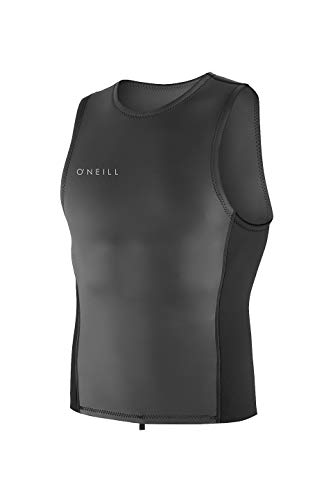 O'Neill Reactor-2 2mm Wetsuit Vest
|
8.0/10 | Buy |
Hevto 4/3mm Back Zip Full Wetsuit
Built for chilly ocean sessions, this 4/3mm suit blends SCR neoprene with glued and blind-stitched seams to retain core warmth. It offers divers, surfers, and paddlers dependable thermal defense alongside reinforced knee panels for added durability.
Pros
- GBS seams significantly limit cold water entry
- Reinforced knee sections enhance overall gear longevity
- Stretchy SCR neoprene preserves arm and shoulder mobility
- Long pull cord simplifies getting in and out alone
Cons
- Back-zip entry seals less tightly against flushes than chest zips
- 4/3mm thickness is too warm for mild or tropical water
XUKER Women's 2mm Full Body Wetsuit
Built with a three-layer nylon and neoprene construction, this full-coverage suit protects swimmers and paddlers from sun exposure and minor scrapes. Its vertical back zipper opens wide to make solo dressing straightforward across various surface water sports.
Pros
- Full-body coverage protects against scrapes and sun
- Soft interior lining prevents skin chafing
- Durable outer nylon resists surface wear
- Wide back zipper allows easier donning
Cons
- 2mm thickness provides limited cold-water insulation
- Leaves face, hands, and feet uncovered
O'Neill Reactor-2 2mm Wetsuit Vest
Built for core warmth without restricting shoulder movement, this 2mm pullover vest is an ideal layer for surfing, paddleboarding, and warm-water paddling. Its flexible Fluidflex neoprene and windproof smoothskin cut down windchill while an integrated connector anchors it securely to your boardshorts.
Pros
- Stretchy Fluidflex neoprene allows free arm rotation
- Zipperless construction eliminates bulky hardware
- Flatlock seams sit smoothly against the skin
- Boardshort connector keeps the hem securely in place
Cons
- Zipperless pullover cut can be tough to remove when wet
- Sleeveless 2mm thickness offers limited warmth in cold water
Essential Strategies for Layering Under a Wetsuit in Cold Water
Layering effectively beneath a wetsuit requires balancing thermal thermodynamics with biomechanical freedom. In sub-sixty-degree water, the margin for error shrinks rapidly, making thoughtful garment selection essential for your comfort and safety. A properly configured system keeps your core warm without restricting torso rotation or paddle stroke cadence. By understanding how moisture behaves between your skin and neoprene, you can establish a dependable defense against the chilling effects of cold open water.
Understanding Neoprene Thermal Mechanics and Boundary Trapping
A wetsuit functions by trapping a microscopically thin film of water directly against your skin. Your body radiates thermal energy, rapidly warming this thin liquid boundary until it matches your core temperature. Neoprene features thousands of tiny closed-cell nitrogen gas pockets, which act as a thermal barrier against surrounding cold water. If cold water flushes in and out, your body wastes metabolic energy reheating new liquid. A snug base layer stabilizes this boundary layer, preventing cold flushes from stripping away your natural warmth.
The thickness of the neoprene determines how effectively the garment resists heat loss. Suits like the Hevto Men Wetsuit 4/3mm Neoprene GBS Full Wet Suit place four millimeters of insulating material across the core while tapering to three millimeters in the limbs. When you introduce a garment underneath, you modify the internal boundary volume of that system. An ideal undergarment must remain thin so it does not push the neoprene away from your contours. Maintaining flush contact ensures the internal water film stays stable.
Fabrics to Avoid: The Hidden Dangers of Cotton and Heavy Blends
The most common mistake water enthusiasts make is slipping ordinary athletic clothes beneath their wetsuit. Cotton t-shirts, cotton underwear, and bulky fleece sweatshirts are dangerous choices for any aquatic environment. Cotton fibers are hydrophilic, absorbing up to twenty-seven times their dry weight in liquid. Once soaked, cotton fibers collapse into a heavy mass that holds cold water against your flesh. That trapped cold reservoir steadily pulls heat away from your vital organs.
Beyond rapid heat loss, wet cotton garments bunch up beneath snug neoprene, creating bulky folds across high-friction joints. As you paddle or swim, these saturated folds rub against your underarms and neck, leading to painful skin chafing. Heavy saturated fabrics also weigh you down, compromising your agility during an unexpected capsize. Traditional wool garments become excessively heavy once submerged inside a wet suit. Dedicated synthetic fabrics or thin neoprene layers are the only materials that perform safely beneath a suit.
Selecting High-Performance Synthetic Thermal Base Tops
Specialized aquatic base layers rely on hydrophobic polymers such as polypropylene, polyolefin, and tight-knit polyester blends. These non-absorbent synthetic fibers actively resist moisture retention, allowing water to pass through without saturating the yarns. Many cold-water base tops feature a brushed microfleece interior that feels soft against skin while trapping warm boundary water within its fibers. Because these garments do not hold water weight, they remain featherlight and warm throughout hours of paddling. They also provide a smooth surface that makes sliding into a tight wetsuit remarkably effortless.
Thermal rash guards represent another dependable base layer option for chilly conditions. Unlike standard lightweight summer rash guards, thermal versions utilize heavier fabric weights with wind-blocking membranes or heat-trapping linings. These garments fit like a second skin, preventing bunching while reinforcing heat retention around the chest, kidneys, and spine. Their low-profile flatlock stitching minimizes skin irritation beneath heavy neoprene seams. Adding a thermal rash guard under a full suit provides added warmth to bridge seasonal temperature drops without restrictive bulk.
Stacking Neoprene: Utilizing Pullover Vests for Core Insulation
When water temperatures dip into deep cold, stacking a secondary neoprene layer under your main suit is an effective method to boost core warmth. A sleeveless piece, such as the O’Neill Men’s Reactor-2 2mm Pullover Wetsuit Vest, adds two millimeters of neoprene directly over your chest and back. This targeted layer effectively turns a 4/3mm suit into a 6/5mm thermal shield for your vital organs. Because the vest is sleeveless, it leaves your shoulder joints unencumbered for natural paddling cadence. Pullover designs eliminate bulky front zippers that could press uncomfortably against your sternum under a snug outer suit.
Many dedicated neoprene layering vests incorporate windproof smoothskin exterior panels across the chest and back. Smoothskin sheds surface moisture immediately, preventing wind gusts from chilling your core during surface rest breaks. A built-in boardshort connector tab at the hem anchors the vest, keeping it from riding up your torso as you twist your hips during paddling strokes. When paired with full-body coverage, such as the XUKER Wetsuit Women, 2mm Neoprene Long Sleeve Full, an internal vest provides modular warmth that you can easily adapt across changing conditions. Stacking neoprene offers proven thermal defense without requiring an expensive drysuit setup.
Seam Construction, Water Flushing, and Neck Seals
Water flushing is the primary enemy of warmth in cold conditions, occurring whenever icy water penetrates the suit through seams, neck openings, or zippers. In warmer waters, breathable flatlock stitching is common, but it allows water droplets to seep through needle perforations. For cold-water protection, glued and blind-stitched (GBS) seams, like those engineered into the Hevto 4/3mm suit, are far superior. GBS construction glues neoprene panels edge-to-edge before driving curved needles only halfway through the material, leaving the exterior puncture-free and water-resistant. An effective base layer creates an extra barrier that baffles whatever minimal seepage enters.
Rear vertical zippers represent another common site for cold flushing during paddling or immersion. Quality cold-water suits incorporate an internal zipper flap that diverts intruding water away from your bare spine. Wearing a snug base layer or smoothskin vest beneath the suit reinforces this seal, catching incoming drips and warming them before they reach sensitive skin. Pay close attention to neck seal fit, as an over-stretched collar will scoop cold water during a capsize. Your base layer should sit neatly beneath the wetsuit collar without protruding, preserving a smooth rubber-to-skin gasket around your throat.
Dialing in Fit and Upper-Body Paddling Mobility
Kayakers, paddleboarders, and divers require extensive upper-body mobility, demanding careful attention to how undergarments fit beneath a tight wetsuit. If your base layer is slightly too loose, excess fabric will migrate into your armpits and elbow creases as you move. Over thousands of paddle strokes, bundled fabric creates painful pressure sores and limits the natural rotational freedom of your shoulder blades. Before heading onto the water, conduct a thorough dry-land mobility check while fully dressed in your layered system. Rotate your arms through complete circular arcs and twist your torso fully from side to side.
Your wetsuit should feel comfortably snug, pressing the internal base layer smoothly against your skin without restricting breathing. If taking a full breath feels constrictive or your fingers begin to tingle, your stacked layers are excessively thick for the suit cut. Modern high-stretch synthetic materials and flexible neoprene formulations stretch dynamically to accommodate proper layering without sacrificing circulation. Sizing should account for both torso length and chest circumference to avoid pulling across the shoulders. A snug, wrinkle-free fit delivers maximum thermal efficiency with zero biomechanical penalties.
Managing Peripheral Heat Loss: Hoods, Gloves, and Booties
Even the best torso layering system will fail to keep you warm if your head, hands, and feet are exposed to icy water. The human scalp contains a rich vascular network that lacks vasoconstrictive responses found elsewhere, allowing substantial heat to radiate into cold air. Adding a 2mm or 3mm neoprene hood protects your head, ears, and neck from cold shock and wind exposure. In paddle sports, a hood also shields your inner ear canals from freezing water, preventing painful conditions like bony ear exostosis. Ensure the bib of your hood tucks smoothly underneath your wetsuit collar to prevent flushing during roll attempts.
Cold hands quickly lose grip strength and dexterity, making it difficult to hold a paddle securely or manipulate safety gear. Pre-curved neoprene paddling gloves or mittens retain finger warmth while reducing forearm fatigue during continuous gripping. Footwear requires equal care, as standing or sitting in cold bilge water rapidly numbs your feet and degrades balance. Wear high-traction neoprene booties with vulcanized rubber soles to insulate your feet and protect against sharp river rocks. Always tuck your wetsuit ankle cuffs over the outside of your bootie tops so excess water drains out rather than flooding your boots.
Integrating Outer Layers, Splash Jackets, and PFDs
While a wetsuit works beneath the surface of the water, exposed wet neoprene on a kayak deck remains vulnerable to evaporative cooling caused by brisk winds. When you are paddling in windy, sub-freezing air, pairing your wetsuit with an external semi-dry paddle top or windproof splash jacket blocks evaporative heat loss completely. When navigating cold lakes or remote river sections in a rugged inflatable kayak, pairing an insulated wetsuit setup with a windproof exterior shell shields you from both freezing spray and continuous wind chill. These outer shells feature adjustable wrist gaskets to prevent wave splash from shooting up your forearms.
Safety regulations and practical prudence require wearing a properly fitted personal flotation device over your layered garments. The United States Coast Guard mandates carrying or wearing an approved life jacket under Title 33 CFR Part 175. For paddle sports, a Type III high-back paddling life jacket provides ample shoulder clearance and keeps your lower back clear of the kayak seat frame. A snug life jacket also provides an incidental layer of dense closed-cell foam insulation directly over your ribcage and spine. Fasten all side adjustment straps snugly so the life jacket cannot ride up over your chin if you enter the water.
Cold-Water Immersion Protocol and Physiological Safety
Venturing into cold water requires an unyielding respect for the physiological hazards of sudden cold immersion. Cold shock is an involuntary reaction triggered when sudden cold water contacts the skin of your face and torso, causing a violent gasp reflex and uncontrolled hyperventilation. If your head is submerged during that involuntary inhalation, you risk drowning in shallow water. The physiological 1-10-1 survival guideline states that you have one minute to regain breathing control, ten minutes of meaningful muscle movement before cold incapacitation sets in, and roughly one hour before hypothermia causes unconsciousness. Proper thermal layering significantly dampens the initial cold shock reflex, helping you stay calm and focused.
During a capsize, remaining calm is vital as you execute an immediate wet exit and re-entry protocol. Because synthetic base layers and stacked neoprene do not absorb bulk water, your clothing will not become waterlogged or drag you down as you pull yourself onto the hull. You retain the muscular power and joint dexterity needed to perform a side-scramble, heel-hook, or stirrup re-entry onto your craft. Keep a pea-less safety whistle attached to your life jacket shoulder strap so you can signal for help if cold begins sapping your energy. Regular practice of deep-water self-rescue while wearing your full cold-water thermal kit builds muscle memory and real-world confidence.
Post-Session Maintenance, Desalination, and Odor Prevention
Salt crystals, microscopic pond algae, and mineral deposits will steadily degrade neoprene and synthetic base fabrics if left uncleaned after your session. As salt water evaporates, sharp salt crystals form within the porous matrix of the neoprene, slowly cutting through closed-cell gas bubbles and reducing thermal efficiency. Thoroughly rinse your wetsuit, base tops, and neoprene layering vests in fresh, cool water immediately after returning home. Use specialized wetsuit shampoo occasionally to dissolve body oils, sweat, and trapped bacteria from internal linings. Never clean neoprene garments in a washing machine or tumble dry them, as agitation and mechanical heat destroy glued seams.
Drying your gear correctly is equally critical for preserving fabric elasticity and structural integrity. Always hang your wetsuit and layering tops indoors or in a well-ventilated, shaded area away from direct solar ultraviolet radiation. Intense sunlight oxidizes synthetic rubber, rendering neoprene stiff, brittle, and prone to surface cracking over time. Utilize wide, heavy-duty contoured plastic hangers rather than thin wire hangers that create permanent indentations in neoprene shoulder pads. Once both the interior and exterior surfaces are completely dry, store your gear flat or hung loosely in a climate-controlled room.
Configuring an effective thermal layering system under your wetsuit is the key to extending your paddling season safely into chilly autumn, winter, and early spring. By rejecting water-trapping cotton fabrics and embracing hydrophobic rash tops, brushed synthetics, and targeted neoprene core vests, you construct an adaptable thermal barrier that protects your body against rapid cooling. Match your base layers to your specific wetsuit seam construction, preserve total shoulder flexibility, and always top your outfit with an approved life jacket before pushing off the bank. Thoughtful preparation keeps you warm, mobile, and fully equipped to savor every cold-water adventure.
About the author
Maggie Nichols is an experienced paddler, adventure guide, and gear reviewer with more than 25 years around paddle sports. Her background includes canoe touring, whitewater rafting and kayaking, ocean kayak guiding, and extensive outdoor education. She approaches water gear with a strong focus on real-world usability, durability, comfort, and practical performance.