
How to Defog Snorkel Mask: A Practical Guide for 2026
Learn how to defog snorkel mask lenses for crystal clear underwater vision with reliable treatments and care tips in October 2026.
 By Edward Ting
Updated October 5, 2026
By Edward Ting
Updated October 5, 2026
Condensation forming on the inner glass of a mask can quickly ruin a morning on the water. When humid air trapped inside the skirt meets lens surfaces cooled by outside water temperatures, microscopic water droplets collect across the viewing area. Mastering how to defog snorkel mask glass or plastic lenses keeps your vision sharp whether you are paddling out across calm bays or exploring vibrant shallow reefs.
Many snorkelers pack their gear onto sit-on-top watercraft to reach offshore ledges during coastal reef adventures. Keeping a small bottle of anti-fog coating or dedicated drops stashed in a dry bag prevents constant mask clearing while swimming. Simple preventative steps also protect delicate marine life from harmful synthetic chemicals and keep you focused on exploring underwater safely.
| Award | Product | WSG Score About WSG ScoreThe WSG Score is our own rating from 0 to 10, based on performance, design and build, ease of use, and value. It reflects independent research and is never influenced by manufacturers, retailers, or affiliate commissions. Learn more › | |
|---|---|---|---|
| Best Overall |
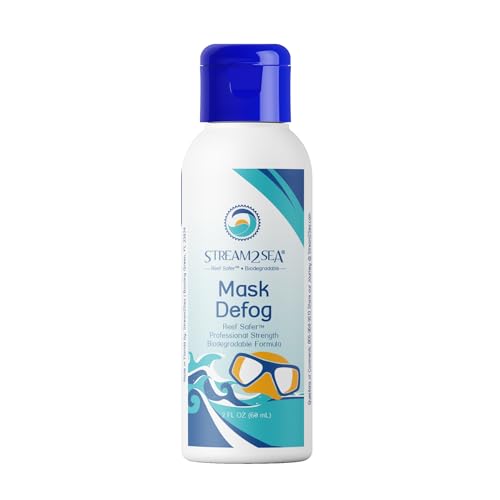
Stream 2 Sea Anti-Fog Defogger (2 oz)
|
8.9/10 | Buy |
| Best Budget |
 GEAR AID Sea Drops Anti-Fog (1.25 fl oz)
|
8.1/10 | Buy |
 Stream2Sea Anti-Fog Spray (2 oz)
|
7.8/10 | Buy |
Stream 2 Sea Anti-Fog Defogger (2 oz)
Stream 2 Sea offers a reef-safe, nonabrasive defogging formula designed for scuba masks, swim goggles, and everyday eyewear. Its biodegradable composition prevents lens fogging without posing a threat to ocean or freshwater ecosystems.
Pros
- Reef-safe and gentle on marine ecosystems
- Nonabrasive formula safe on glass and plastic
- Versatile across scuba, ski, and safety eyewear
- Compact 2 fl oz travel-friendly bottle
Cons
- Requires access to water for the application process
- Needs manual finger application and rinsing
GEAR AID Sea Drops Anti-Fog (1.25 fl oz)
Designed for divers and snorkelers, this 2-in-1 concentrated formula cleans lenses and prevents underwater fogging across all water temperatures. It is safe for glass and plastic dive masks without degrading silicone or rubber frames, though it is strictly formulated against use on swim goggles or everyday eyewear.
Pros
- Dual-action formula cleans and defogs simultaneously
- Performs reliably in all water temperatures
- Safe for rubber and silicone mask skirts
- Concentrated bottle provides up to 530 drops
Cons
- Not suitable for swim goggles
- Cannot be used on eyeglasses or sunglasses
Stream2Sea Anti-Fog Spray (2 oz)
Designed for divers and swimmers, this compact defogger keeps lenses clear using an all-natural, reef-safe formula. It works across glass, plastic, and polycarbonate eyewear without using alcohol or harsh chemicals.
Pros
- Reef-safe formula free of alcohol and ammonia
- Compatible with glass, plastic, and polycarbonate lenses
- Compact bottle fits easily into gear bags
- Creates a long-lasting protective anti-fog coating
Cons
- Requires manual rubbing and water rinsing before use
- Small 2-ounce capacity requires frequent repurchasing for regular use
Complete Guide on How To Defog Snorkel Mask for Reliable Clarity
Foggy masks remain one of the most common frustrations for recreational swimmers, snorkelers, and divers alike. Resolving this issue requires a two-part approach that combines initial surface preparation with consistent pre-dive chemical treatments. Once you understand the physical mechanisms behind condensation and lens friction, you can keep your field of view crystal clear across varied water conditions.
The Mechanics of Mask Fogging and Lens Condensation
Mask fogging happens as a direct consequence of basic thermodynamics and surface tension. When you wear a snorkel mask, the pocket of trapped air quickly reaches facial skin temperature and fills with humidity from perspiration and nasal moisture. The outer face of the lens sits directly against cooler ocean, lake, or river water, which lowers the inner glass temperature below the local dew point. As water vapor condenses, microscopic droplets collect on the lens and scatter incoming light, which creates an opaque, foggy haze.
Untreated glass and plastic surfaces possess tiny microscopic ridges where water molecules readily cluster into distinct spheres. Anti-fog solutions function as surface-active agents, commonly referred to as surfactants. These agents reduce the surface tension of condensing moisture, forcing individual water droplets to spread flat into a continuous, microscopic sheet. Because this ultra-thin water film allows light to travel straight through without scattering, your view remains unobstructed.
Pre-Treating New Masks to Strip Manufacturing Residue
Brand-new masks straight from the factory are notorious for fogging almost immediately upon entering the water. During the manufacturing process, heat creates a thin film of silicone mold-release oil that settles over the inner face of the tempered glass lens. This persistent chemical film actively repels water and prevents commercial defoggers from bonding with the lens surface. Standard rinses or light anti-fog sprays cannot cut through this protective residue on their own.
Tempered glass lenses require an initial pre-cleaning step before your first dive to remove this factory barrier. A standard, non-abrasive white toothpaste or a specialized mask scrub rubbed gently across the inner dry lens with your fingertip breaks down the silicone oils. You must rinse the lens thoroughly with clean warm water and repeat the scrubbing process once or twice until the glass squeaks. Keep in mind that abrasive cleaners should never be applied to plastic or polycarbonate lenses, as friction will create permanent micro-scratches.
Applying Commercial Anti-Fog Drops and Concentrates
Concentrated liquid formulas offer a dependable, long-lasting barrier against condensation during extended water sessions. Products like GEAR AID Sea Drops Cleaner and Anti-Fog for Dive provide a 2-in-1 formula designed specifically to strip away dirt while laying down a clear surfactant layer. A standard 1.25-fluid-ounce bottle contains roughly 530 drops, making it an efficient choice for regular outings. The alcohol-free liquid performs reliably across diverse water temperatures, from brisk mountain lakes to tropical flats.
Applying drop concentrates correctly requires only minimal moisture and careful distribution. Place a single drop onto the dry inner surface of each lens when preparing your gear near the water. Use a clean fingertip to spread the liquid across the entire glass surface, ensuring you coat the corners where moisture frequently begins to gather. Add a few drops of water, gently work the solution to eliminate streaks, and pour the excess liquid out just before putting the mask on.
Using Anti-Fog Sprays for Rapid Shoreline and Kayak Prep
Spray applicators deliver fast, even coverage that works exceptionally well when you need to prep your gear on a boat deck or sandy shoreline. Solutions like the STREAM 2 SEA Anti-Fog Spray Defogger provide a fast-acting coating that works on all types of optical surfaces, including glass, plastic, and polycarbonate. The compact, travel-friendly bottle fits neatly inside kayak hatches, dry bags, or life vest pockets without taking up valuable space. Because the fine mist coats the lens evenly, you spend less time buffing out streaks before entering the surf.
The application process for spray formulas remains quick and straightforward during busy launch preparations. Lightly mist the inner lenses, spread the liquid across the viewing area using a clean finger, and introduce a tiny splash of water to smooth the surface. Pour out the remaining fluid rather than wiping it dry with a towel, which would strip away the protective coating. This quick procedure allows paddlers to adjust their masks efficiently without drifting off course in windy conditions.
Prioritizing Reef-Safe and Ocean-Friendly Ingredients
Many conventional cleaning solutions and household chemicals contain synthetic detergents, alcohol, or ammonia that disrupt delicate aquatic environments. When you rinse a freshly treated mask at the shoreline or over a shallow reef, those residual chemicals disperse directly into the surrounding water. STREAM 2 SEA defogger formulations emphasize ocean-safe, biodegradable ingredients tested to remain gentle on freshwater and saltwater marine life. Using eco-friendly products ensures you can explore vibrant coral heads without introducing toxic compounds to vulnerable polyps.
Reef-safe formulas also provide clear safety benefits for the snorkeler wearing the mask. Harsh chemical residues can easily migrate into your eyes if water splashes through the purge valve or around the face skirt. Non-toxic, alcohol-free ingredients reduce the risk of painful ocular stinging, redness, and corneal irritation during prolonged swims. Choosing an eco-friendly defogger keeps both your eyes and the underwater habitats you enjoy completely protected.
Dedicated Gels and Long-Lasting Barrier Coatings
Thicker defogging coatings provide a robust option when you plan on spending multiple consecutive hours in the water. The STREAM 2 SEA Anti-Fog Coating Defogger Goggles formula provides a non-abrasive, streak-free layer engineered to stay clear longer in both warm and cold settings. Unlike thin sprays that may wash away if a mask floods, heavier coating formulas cling securely to the interior lens surface. This sustained adhesion prevents fog buildup during extended snorkel surveys or multi-stop paddlecraft tours.
Proper application of viscous coatings involves applying a small drip directly onto dry lenses and spreading it thoroughly to the silicone edges. You add just enough clean water to blend the coating smoothly across the viewing area before dumping out the excess fluid. The non-abrasive formula ensures that delicate plastic and glass surfaces remain free from fine abrasions. Regular reapplication between morning and afternoon snorkeling sessions ensures continuous optical clarity.
Material Compatibility Across Glass, Plastic, and Polycarbonate
Snorkelers and swimmers often assume all eyewear lenses can be treated with the same commercial formulas, but chemical compatibility varies significantly. Most scuba and snorkeling masks use tempered glass lenses, whereas swim goggles and modern wraparound sport visors frequently feature plastic or polycarbonate materials. GEAR AID Sea Drops packaging explicitly advises against use on swim goggles or everyday sunglasses because the concentrated formula can cloud certain coated plastics. In contrast, STREAM 2 SEA products are formulated to be safe across glass, plastic, polycarbonate, and ski goggles.
Silicones and rubbers used in mask skirts also react differently depending on the chemical composition of your cleaner. Alcohol-based cleaners or harsh industrial solvents can dry out soft silicone skirts over time, leading to stiffness, micro-cracks, and seal failures. Concentrated anti-fog drops formulated without alcohol preserve skirt suppleness while protecting the glass-to-frame bonding agents. Verifying lens material compatibility prevents costly damage to specialized watercraft and diving optics.
Step-by-Step Mask Defogging Procedure for Every Outing
Establishing a consistent pre-dive routine guarantees dependable fog resistance every time you step into the surf. Begin by inspecting the inside of the mask to verify that no sand grains, dried salt crystals, or skin oils cling to the lens. Squeeze a drop or apply a light spray of your chosen defogger onto the center of each dry viewing pane. Using the pad of your clean index finger, rub the fluid across the entire surface using gentle circular motions.
Once the lenses are coated, dip the mask briefly into clean water to disperse any excess surfactant film. Swish the water around the frame once or twice, dump it out immediately, and avoid touching the glass again with your fingers. Place the mask onto your face and seal it firmly against your skin before diving or paddling away. Touching the interior glass after this final rinse will transfer natural skin oils that create immediate focal points for fogging.
In-Field Troubleshooting When Treated Masks Continue to Fog
Even properly treated masks can develop patches of condensation if user habits or fit issues introduce unwanted moisture. A very common culprit is unconscious nose exhalation while breathing through a snorkel mouthpiece. Breathing out through your nose pumps hot, moisture-laden air directly across the interior glass, quickly overwhelming the surfactant coating. Consciously practicing slow, deliberate inhalations and exhalations entirely through your mouth prevents humidity spikes inside the frame.
Another hidden cause of persistent fogging stems from subtle water leakage around the perimeter of the face skirt. Even a tiny trickle of cold water entering the bottom pocket lowers the internal air temperature and strips away your anti-fog layer. Investing in quality, leak-free snorkeling masks ensures the silicone creates a reliable vacuum seal against your skin. If fog starts forming in just one lower corner, a compromised seal or an errant hair strand is usually the underlying cause.
Ensuring an Airtight Skirt Seal and Proper Strap Tension
Achieving an effective seal requires positioning the mask skirt correctly without over-tightening the elastic or silicone head strap. Pulling the strap too tight actually distorts the soft silicone skirt, pulling it away from the temples and creating minor channels for water seepage. The mask should stay held lightly against your face by water pressure rather than strap tension alone. Position the split strap high on the crown of your head to maintain balanced, even pressure across the cheekbones and forehead.
Make sure to brush stray hairs away from your forehead and temples before setting the silicone frame in place. Even a single strand of hair crossing under the silicone edge breaks the watertight seal and admits steady droplets of water. Snorkelers with facial hair can apply a thin line of silicone grease or petroleum jelly along their mustache line to facilitate a reliable seal. Maintaining an airtight environment inside the mask frame stops continuous moisture inflow and keeps your lens treatments working properly.
Managing Gear on Paddlecraft and Shoreline Launches
Paddlers frequently use kayaks, canoes, or stand-up paddleboards to travel toward quiet coves and offshore reefs where clarity is highest. Operating from a small watercraft requires careful gear organization to keep masks clean and scratch-free before use. Storing your mask in a padded case inside a secure hatch prevents sandy cockpit deck water from dirtying the optical glass. When paired with modern swimming snorkel designs, a well-prepped mask lets you slide off your kayak deck and begin observing marine life immediately without fiddling with fogged lenses.
Rinsing your mask while seated on a kayak requires smooth, balanced movements to avoid tipping or dropping gear into deep water. Keep your mask tethered to your wrist or personal flotation device while applying anti-fog drops over open water. Scoop a small handful of surface water into the frame, swirl it across the glass, and tip it out over the gunwale. Securing your paddle under a deck bungee frees both hands, allowing you to seat the mask firmly onto your face before entering the water.
Routine Cleaning, Post-Dive Care, and Long-Term Storage
Post-trip maintenance is essential for preserving the lifespan of both your mask and your anti-fog supplies. Dried salt crystals and chemical residues from swimming pools can erode silicone skirts and leave stubborn deposits across lens borders. Always rinse your mask in clean, fresh tap water after every saltwater or chlorinated outing to wash away abrasive minerals. Allow the gear to air dry completely in a shaded, well-ventilated space before packing it into long-term storage bags.
Never expose your mask to direct sunlight or high-heat environments like hot vehicle trunks for extended periods. Intense ultraviolet light degrades silicone seals, making them stiff and yellowed, while excessive heat can warp the plastic retaining frame. Store your mask inside an unpressurized protective case away from heavy gear that could crush the nose pocket. Keeping your lenses pristine between trips ensures that each new application of defogger bonds smoothly for reliable clarity on every adventure.
Maintaining fog-free vision underwater comes down to methodical prep, safe application habits, and reliable equipment care. Taking a few moments to scrub new glass, spread reef-friendly anti-fog drops, and seat your mask skirt cleanly keeps condensation from interfering with your time on the water. With clear sightlines established before you submerge, you can navigate shallow reefs, spot wildlife, and enjoy your aquatic explorations with complete confidence.
About the author
Reuben Parsons is an experienced water-sports writer and gear reviewer specializing in surfing and stand-up paddleboarding. With a background in marine biology and more than a decade of outdoor writing, He has tested hundreds of products and spent thousands of hours evaluating outdoor gear. He approach combines technical research with genuine experience on the water.