
8 Sit on Top Kayak vs Traditional of 2026 Paddler Guide
Compare sit on top kayak vs traditional designs to maximize on-water stability. Review the top recreational hulls updated for October 2026.
 By Maggie Nichols
Updated October 13, 2026

Navigating Hull Stability and Open Deck Layouts
Feeling confined inside an enclosed cockpit often creates hesitation for paddlers who prioritize quick water access, easy self-rescue, and unhindered leg movement. Wide open decks provide immediate reassurance because climbing back aboard after an accidental dip feels far less intimidating than performing a wet exit in deep water. Evaluating a sit on top kayak vs traditional sit-inside watercraft highlights major differences in primary stability, deck drainage, and overall hull ergonomics. Self-bailing scupper holes keep water from pooling beneath your seat, while durable polyethylene construction ensures the boat handles rocky launch ramps without structural worries. Paddlers venturing onto sheltered coves or scenic river runs often appreciate that freedom of movement above all else.
Traditional enclosed hulls shield your lower body from chilly spray, yet open platform kayaks deliver superior convenience for warm weather recreation and casual angling. Based on product specifications and user feedback, models with twin-arched multi-chine hulls offer exceptional primary stability that keeps beginners steady during entry and exit. Hull weights ranging between 34 pounds on compact 8-foot platforms and heavier multi-piece setups change how easily you can car-top your craft solo. Examining cockpit dimensions, seat adjustability, and payload ratings helps prevent the common frustration of buying a boat that drags sluggishly under load. If you plan on sharing water time with a partner or canine companion, considering whether to rig for tandem use or paddling solo in a tandem kayak can make a massive difference in your gear flexibility.
| Award | Product | WSG Score About WSG ScoreThe WSG Score is our own rating from 0 to 10, based on performance, design and build, ease of use, and value. It reflects independent research and is never influenced by manufacturers, retailers, or affiliate commissions. Learn more › | |
|---|---|---|---|
| Best Overall |
Pelican Sentinel 80X 8-Foot Kayak
|
9.2/10 | Buy |
| Best Value |
 Lifetime Muskie Angler 10-Foot Sit-On-Top Fishing |
9.1/10 | Buy |
| Best Budget |
 Pelican Sentinel 80X Sit-on-Top Recreational Kayak |
8.8/10 | Buy |
| Best Premium |
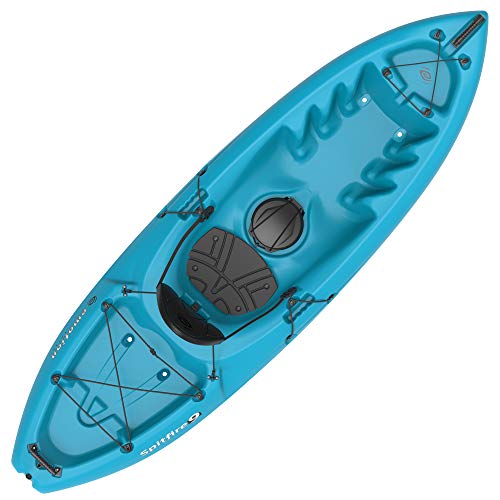 Emotion Spitfire 9-Foot Sit-On-Top Kayak |
8.8/10 | Buy |
 Perception Tribe 9.5 Sit-on-Top Kayak |
8.8/10 | Buy | |
 Pelican Seek 100X 10-Foot Recreational Sit-on-Top |
8.6/10 | Buy | |
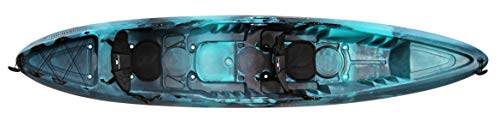 Perception Rambler 13.5 Sit-on-Top Tandem Kayak |
8.4/10 | Buy | |
 Lifetime Lockport 94 Modular Sit-on-Top Fishing |
8.3/10 | Buy |
Pelican Sentinel 80X 8-Foot Kayak
At just 34 pounds, the compact Pelican Sentinel 80X is built for effortless hauling and casual outings on calm waters. Its twin-arched multi-chine hull delivers reliable primary stability, while the adjustable Ergoform backrest provides cushioned support for recreational paddling.
Pros
- Lightweight 34-pound build is easy to transport solo
- Twin-arched hull offers confident primary water stability
- Resilient RAM-X material handles bumps and scrapes well
- Adjustable Ergoform seat backrest provides cushioned support
- Internal foam block delivers reliable built-in buoyancy
Cons
- Short 8-foot hull limits long-distance paddling speed
- Sit-on-top open profile provides minimal splash protection
Lifetime Muskie Angler 10-Foot Sit-On-Top Fishing
The Lifetime Muskie Angler is an accessible 10-foot sit-on-top fishing kayak featuring a stable 31-inch beam, UV-protected polyethylene hull, and an integrated tracking skeg. Weighing an easily car-topped 51 pounds and supplied with an included paddle and multiple rod holders, it is an ideal entry-level craft for calm lakes, ponds, and slow rivers.
Pros
- Manageable 51-pound bare hull weight simplifies solo loading onto rooftop crossbars or into pickup beds
- Built-in tracking skeg and deep hull channels assist with straight-line paddling on flatwater
- Includes essential outfitting out of the box: paddle, padded seating, and three rod holders
- Durable high-density polyethylene construction resists standard launch-ramp abrasions and UV degradation
Cons
- Basic sit-on-top seat pad sits directly on the deck and offers less elevation than stadium-style kayak frames
- Compact 6-inch storage compartments are sized for small gear rather than bulky dry bags or tackle boxes
- Flat-bottom recreational hull is engineered for calm waters and may feel sluggish in choppy coastal conditions
Pelican Sentinel 80X Sit-on-Top Recreational Kayak
At just 34 pounds with an 8-foot RAM-X multi-chine hull, the Pelican Sentinel 80X delivers dependable flatwater stability and effortless solo car-topping for casual lake and slow river outings. It is an accessible sit-on-top option best suited for beginners, youth, and lightweight solo paddlers seeking an easy-to-manage hard shell.
Pros
- Ultralight 34-pound unladen weight makes solo transport and roof-rack loading manageable for a single individual
- Twin-arched multi-chine hull geometry delivers dependable initial flatwater balance for beginners and casual paddlers
- Durable RAM-X polyethylene shell absorbs shoreline abrasions and routine launch impacts without cracking
- Compact 8-foot footprint stores easily in standard residential garages, sheds, or pickup truck beds
Cons
- Modest 225-pound maximum weight capacity restricts usable gear payload for larger paddlers under the 70-80% operational rule
- Short 8-foot displacement waterline limits straight-line tracking efficiency and glide speed across breezy open water
- Base watercraft package does not include a paddle, requiring a separate purchase before hitting the water
Emotion Spitfire 9-Foot Sit-On-Top Kayak
At 45 pounds, the Emotion Spitfire 9-Foot Sit-On-Top Kayak balances easy transport with stable tracking for recreational day paddling. Built-in storage options and molded foot bracing provide practical convenience on calm lakes and rivers.
Pros
- Lightweight 45-pound frame simplifies solo carrying
- Generous storage with rear tankwell and interior hatch
- Durable UV-protected polyethylene hull resists sun damage
- Self-bailing scupper design drains water automatically
Cons
- Short 9-foot hull limits maximum cruising speed
- Open sit-on-top layout leaves paddler exposed to splashes
Perception Tribe 9.5 Sit-on-Top Kayak
Built for lakes and gentle coastal waters, this compact sit-on-top craft emphasizes stability and ergonomic back support. Its manageable 46-pound frame and generous rear tankwell make it a practical choice for casual day paddlers.
Pros
- Adjustable high-back frame seat provides cushioned support
- Manageable 46-pound hull simplifies solo transport
- Stable hull performs well across lakes and light ocean surf
- Stackable design allows convenient multi-boat storage
Cons
- 300-pound total capacity limits heavy touring loads
- Open deck design leaves rear gear exposed to water spray
Pelican Seek 100X 10-Foot Recreational Sit-on-Top
The Pelican Seek 100X is a 10-foot sit-on-top recreational kayak pairing a stable twin-arched multi-chine hull with an integrated Ergobar system and textured standing deck. Weighing just 43.1 pounds, it is an accessible choice for solo car-toppers and casual flatwater paddlers seeking easy boarding and dependable primary stability.
Pros
- Manageable 43.1 lb hull weight makes solo car-topping and shoreline portage realistic for single paddlers
- Twin-arched multi-chine hull offers dependable initial stability for confident boarding and calm-water paddling
- Ergobar system and textured deck provide extra physical support when transitioning between sitting and standing
- Ergoform adjustable cushioned seating offers comfortable support for recreational day outings
- Multiple included storage covers protect loose gear across the bow and rear tankwell
Cons
- No paddle is listed as included in the box, requiring an aftermarket paddle purchase before your first trip
- Ten-foot waterline favors responsive turning over fast tracking and glide across open, windy reservoirs
- Maximum weight capacity is not detailed in the listed specifications, so heavier paddlers must monitor total gear payload carefully
Perception Rambler 13.5 Sit-on-Top Tandem Kayak
The Perception Rambler 13.5 is a versatile 13-foot-6-inch sit-on-top tandem kayak featuring a stable 34-inch beam, a 550-pound maximum capacity, and a molded center seat for a child or pet. Weighing 78 pounds, it provides dependable primary stability and relaxed flatwater tracking for families and recreational pairs exploring lakes, ocean bays, and slow rivers.
Pros
- High 550-pound maximum weight capacity easily supports two adults and a child or dog in the molded center seat
- Generous 34-inch width creates reassuring initial stability that helps calm first-time and recreational paddlers
- Removable padded seat bottoms and adjustable backrests provide better lumbar comfort than basic molded plastic
- Tiered molded foot positions accommodate different leg lengths without mechanical sliders that can jam with sand
Cons
- Substantial 78-pound hull weight and 13.6-foot length make solo rooftop loading challenging without a cart or assistance
- Paddles and scupper plugs are not included in the standard package and must be purchased separately
- Open deck layout lacks a sealed watertight dry bulkhead hatch for sensitive electronic gear
Lifetime Lockport 94 Modular Sit-on-Top Fishing
The Lifetime Lockport 94 is a 9-foot-4-inch modular sit-on-top kayak that splits into two nesting sections for effortless transport and compact storage. Weighing just 40 pounds and equipped with rod holders and an included paddle, it is a practical hard-shell craft for apartment dwellers and solo lake anglers.
Pros
- Two-piece modular construction nests together neatly for transport in small vehicle trunks without a roof rack
- Rigid high-density polyethylene shell offers dependable abrasion resistance without the risk of punctures associated with inflatables
- Ready to launch right out of the box with an included paddle, two flush-mount rod holders, and an adjustable seat back
- Weighs only 40 pounds total, allowing solo paddlers to handle and assemble individual lightweight sections easily
Cons
- Compact 9-foot-4-inch hull length favors turning agility over rapid forward cruising speed or extended coastal touring glide
- Stock seat is an adjustable padded backrest on the deck floor rather than an elevated, quick-drying stadium-style frame
- SlideLock connecting channels require regular rinsing to keep sand, mud, and grit from fouling the locking mechanism
Frequently Asked Questions
Is a sit-on-top kayak more stable for beginners than a traditional sit-inside model?
Yes, sit-on-top kayaks generally offer higher primary stability due to wider beam widths and multi-chine hull profiles. Flat or twin-arched hulls distribute surface contact across the water, preventing the nervous wobbling that novice paddlers often encounter in rounded traditional cockpits. Open decks also eliminate the psychological fear of capsizing, allowing you to slip off and remount freely. That structural confidence makes them well suited for calm lakes and slow coastal bays during recreational trips in 2026.
What is the primary difference between a sit on top kayak vs traditional regarding water drainage?
Sit-on-top kayaks feature self-bailing scupper holes that automatically drain water through the hull, whereas traditional sit-inside kayaks trap incoming spray inside an enclosed cockpit. Scupper drainage ensures that rolling waves or paddle drips flow harmlessly out through integrated drain channels. A traditional sit-inside hull requires a manual bilge pump or sponge if water washes over the coaming. While open designs keep you exposed to occasional splashing, you never face the risk of a swamped boat sinking under the weight of trapped water.
How does the 65 to 70 percent payload rule apply to maximum kayak weight limits?
Kayak manufacturers list absolute maximum weight limits, but staying within 65 to 70 percent of that capacity ensures proper performance and waterline safety. Exceeding that threshold pushes the hull too low, compromising secondary stability and letting water flood through the scupper holes. A kayak rated for 300 pounds performs best with a total paddler and gear load under 210 pounds. Maintaining that safe payload margin keeps your tracking sharp and prevents sluggish paddling on windy days.
Can you transport a rigid sit-on-top kayak on a car without a factory roof rack?
Yes, universal foam blocks and heavy-duty tie-down cam straps allow secure rooftop transport on bare car roofs. Running cam straps through the open car doors anchors the hull firmly against high-density foam cradles without bowing the vehicle sheet metal. Compact models weighing under 45 pounds make overhead loading straightforward for a single paddler. Checking bow and stern safety lines before highway driving guarantees the watercraft remains anchored throughout transit.
Do sit-on-top kayaks track as straight as traditional touring kayaks?
No, traditional touring kayaks track straighter and glide faster because of their longer waterlines and narrower hull profiles. Recreational sit-on-top models prioritize maneuverability and initial stability, which can lead to minor yawing during strong paddle strokes. Molded skegs and deep tracking channels along the hull bottom counteract that tendency to keep you traveling forward efficiently. Paddlers planning extended inland lake kayaking trips benefit noticeably from hulls engineered with dedicated tracking skegs.
Can one person effectively paddle a tandem sit-on-top kayak?
Yes, many tandem sit-on-top kayaks feature molded center seat positions specifically designed for balanced solo paddling. Placing your body weight along the boat centerline maintains proper hull trim so neither the bow nor the stern rises awkwardly out of the water. Adjustable backrests allow quick reconfiguration depending on whether you paddle alone or bring a partner. Open deck layouts provide ample utility for hauling coolers, camping dry bags, or family pets without cockpit crowding.
About the author
Maggie Nichols is an experienced paddler, adventure guide, and gear reviewer with more than 25 years around paddle sports. Her background includes canoe touring, whitewater rafting and kayaking, ocean kayak guiding, and extensive outdoor education. She approaches water gear with a strong focus on real-world usability, durability, comfort, and practical performance.