
Can a Single Person Use a Double Kayak? Practical Guide for 2026
Learn how can a single person use a double kayak safely with proper seat positioning, ballast trim, and gear balance in October 2026.
 By Maggie Nichols
Updated October 5, 2026
By Maggie Nichols
Updated October 5, 2026

Managing hull balance and trim on flatwater requires an understanding of how weight displacement shapes boat handling, tracking, and stability. Paddlers often wonder whether can a single person use a double kayak when a partner is unavailable or when extra cargo capacity is needed for extended trips. While tandem hulls are engineered to distribute the weight of two paddlers across a longer waterline, operating one solo is entirely feasible with the correct adjustments. You can explore how dedicated platforms compare by looking at dedicated single sit-in kayaks to see how hull geometry differs between solo and tandem builds. Setting up a tandem boat for solo paddling requires adjusting your center of gravity, repositioning seats, and counterbalancing the bow so the kayak does not plow or weathercock.
Modern tandem designs, including rotomolded sit-on-tops and versatile heavy-duty inflatable kayaks, often feature modular seating setups specifically designed to accommodate a single occupant. Without a front paddler, an unballasted bow tends to catch wind and lift out of the water, making steering sluggish and tiring your shoulders. By shifting the active seat toward the center of the boat and securing ballast gear up front, you restore the intended hull trim and maintain clean tracking across open water. Understanding these trim mechanics allows recreational paddlers, anglers, and touring adventurers to maximize their boat utility without sacrificing on-water safety or control.
| Award | Product | WSG Score About WSG ScoreThe WSG Score is our own rating from 0 to 10, based on performance, design and build, ease of use, and value. It reflects independent research and is never influenced by manufacturers, retailers, or affiliate commissions. Learn more › | |
|---|---|---|---|
| Best Overall |
Oru Kayak Lake Sport Foldable Kayak
|
9.1/10 | Buy |
| Best Budget |
 Pelican Sentinel 80X Sit-on-Top Recreational Kayak
|
8.8/10 | Buy |
| Best Value |
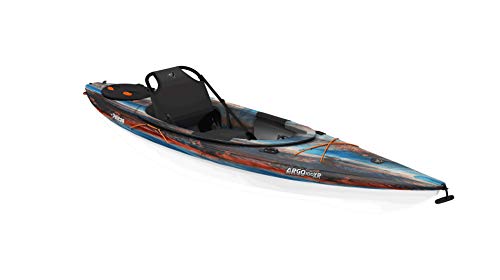 Pelican Argo 100XR 10-Foot Kayak
|
8.8/10 | Buy |
 TIDETREK 10-Foot Inflatable Kayak with Drop-Stitch
|
8.6/10 | Buy | |
| Best Premium |
 BKC Brooklyn 13.0 Pro Tandem Fishing Kayak
|
8.6/10 | Buy |
 Sevylor 1-Person Inflatable Lake Kayak
|
8.3/10 | Buy | |
 BKC Brooklyn 12.5 Tandem Fishing Kayak
|
8.3/10 | Buy | |
 NACATIN 12ft Inflatable SUP Kayak Hybrid with Dog
|
8.1/10 | Buy | |
 Goplus 12.5-Foot 2-Person Inflatable Kayak
|
7.8/10 | Buy | |
 Beyond Marina Pathfinder 12.5ft Kayak
|
7.8/10 | Buy |
Oru Kayak Lake Sport Foldable Kayak
Weighing just 18 pounds and folding into a self-contained box, the Oru Kayak Lake Sport offers unmatched portability for calm lake and slow river recreation without requiring a vehicle roof rack. It is ideal for apartment dwellers, compact-car owners, and solo paddlers wanting an effortless setup and comfortable flatwater cruising.
Pros
- Remarkably light 18-pound weight makes carrying and solo launching completely strain-free
- Folds into a compact box that fits in car trunks and apartment closets without requiring a roof rack
- 5 mm double-layered polypropylene skin provides dependable puncture and abrasion resistance
- Upgraded interior includes an adjustable footrest and height-adjustable backrest for solid seated support
Cons
- Sold as a kayak-only package and does not include an essential paddle or personal flotation device
- 250-pound maximum weight limit restricts heavier paddlers when accounting for the standard 70-80% safe operational payload guideline
- Engineered strictly for calm flatwater and slow rivers; unsuitable for ocean surf, heavy chop, or whitewater
Pelican Sentinel 80X Sit-on-Top Recreational Kayak
At just 34 pounds with an 8-foot RAM-X multi-chine hull, the Pelican Sentinel 80X delivers dependable flatwater stability and effortless solo car-topping for casual lake and slow river outings. It is an accessible sit-on-top option best suited for beginners, youth, and lightweight solo paddlers seeking an easy-to-manage hard shell.
Pros
- Ultralight 34-pound unladen weight makes solo transport and roof-rack loading manageable for a single individual
- Twin-arched multi-chine hull geometry delivers dependable initial flatwater balance for beginners and casual paddlers
- Durable RAM-X polyethylene shell absorbs shoreline abrasions and routine launch impacts without cracking
- Compact 8-foot footprint stores easily in standard residential garages, sheds, or pickup truck beds
Cons
- Modest 225-pound maximum weight capacity restricts usable gear payload for larger paddlers under the 70-80% operational rule
- Short 8-foot displacement waterline limits straight-line tracking efficiency and glide speed across breezy open water
- Base watercraft package does not include a paddle, requiring a separate purchase before hitting the water
Pelican Argo 100XR 10-Foot Kayak
Weighing only 43 pounds with a twin-arched multi-chine hull, this sit-in kayak provides dependable primary stability and easy solo transport. Its versatile setup includes a removable seat that doubles as a beach chair, making it ideal for relaxed recreational outings.
Pros
- Lightweight 43 lb design simplifies transport
- Comfortable seat doubles as a beach chair
- Stable hull allows easy entry and exit
- Dual rigging tracks offer simple accessory mounting
- Secure storage with quick-lock hatch and bungees
Cons
- 300 lb weight limit restricts heavy gear hauling
- Compact 10 ft hull limits long-distance speed
TIDETREK 10-Foot Inflatable Kayak with Drop-Stitch
The TIDETREK 10-Foot Inflatable Kayak combines a rigid 4-inch drop-stitch floor with a rugged 600D polyester-wrapped PVC bladder for dependable flatwater stability. Featuring a dual pump inflation system and a triple fin tracking setup, it offers an exceptionally portable package for solo paddlers on lakes and calm rivers.
Pros
- Includes both an electric low-pressure pump and a dual-action hand pump to minimize setup and breakdown effort
- High-rigidity 4-inch drop-stitch floor provides substantially better structural support than basic vinyl chamber floors
- Triple tracking fins help counter the windage and wandering common to wide recreational inflatable hulls
- Padded backpack harness with chest and waist straps makes solo portage and apartment storage straightforward
Cons
- Single-person maximum weight capacity of 220 lbs limits usable gear payload for larger paddlers
- Polyester fabric outer cover requires complete drying before packing away to prevent mildew buildup
- Wide 41-inch beam prioritizes initial balance over fast touring displacement speeds
BKC Brooklyn 13.0 Pro Tandem Fishing Kayak
The BKC Brooklyn 13.0 Pro is a 153-inch tandem-to-solo convertible sit-on-top fishing kayak featuring an 800 lb manufacturer-rated weight capacity and a flat-bottomed hull for reassuring flatwater stability. With height-adjustable aluminum frame seats and integrated accessory rails, it is an adaptable watercraft for tandem angling partners, families with a child, or solo paddlers hauling heavy cargo.
Pros
- High 800 lb manufacturer-rated weight capacity accommodates multiple passengers and bulky fishing gear
- Versatile seating design converts easily between tandem, three-person family, and balanced solo paddling positions
- Two-inch height-adjustable aluminum frame seats offer superior ergonomic support compared to basic molded floor seats
- Pre-installed fishing features including accessory tracks, flush rod holders, tackle trays, and dual dry hatches
- Broad flat-bottom profile provides excellent primary stability for confident boarding and casting on flatwater
Cons
- Bare hull weight of approximately 90 pounds makes solo roof-rack car-topping physically demanding without a load-assist system
- Flat-bottom hull architecture trades off tracking efficiency and speed in choppy open water or stiff headwinds
- Substantial 153-inch overall length requires significant garage or rack storage space
Sevylor 1-Person Inflatable Lake Kayak
This lightweight 8-foot-7-inch solo inflatable kayak features a durable 21-gauge PVC hull, a puncture-resistant tarpaulin bottom, and an innovative backpack carry system that doubles as the seat. Weighing just over 20 pounds, it is an accessible, trunk-friendly choice for casual lake paddlers and apartment dwellers.
Pros
- Remarkably lightweight 20.28-pound hull makes solo transport and trunk storage effortless
- Backpack carrying harness transforms into the padded seat and supportive backrest
- Reinforced tarpaulin bottom adds substantial abrasion protection against gravel launches and lakebed debris
- Multiple safety air chambers provide peace of mind during flatwater recreation
Cons
- Paddle and inflation pump are not specified as included and must be sourced separately
- Lightweight inflatable profile is susceptible to wind drift and weathercocking in open-water chop
- Low-pressure PVC construction does not match the tracking efficiency or glide of rigid hard-shell kayaks
BKC Brooklyn 12.5 Tandem Fishing Kayak
The BKC Brooklyn 12.5 is a versatile rotomolded HDPE tandem fishing kayak engineered with a wide 34-inch beam and a 600-pound capacity for two adults plus a child or solo angler. It provides exceptional primary stability, integrated rod holders, and motor-ready capability for flatwater lakes, slow rivers, and calm bays.
Pros
- High 600-pound maximum weight capacity easily handles two adults, extra fishing gear, or a child
- Broad 34-inch beam creates strong primary stability for recreational fishing and beginner confidence
- Factory outfitting includes six rod holders, two seats, two paddles, and a built-in trolling motor mount area
- One-piece rotomolded HDPE hull offers dependable durability against gravel, docks, and rocky shorelines
Cons
- At 70 pounds unladen, solo car-topping onto high vehicle roof racks requires significant physical effort or a load-assist cart
- Soft padded seats sit directly on the deck rather than elevated on a raised stadium-style metal frame, which can result in a damp ride
- Wide beam prioritizes initial stability over rapid cruising speed, requiring more paddle stroke effort on extended tours
NACATIN 12ft Inflatable SUP Kayak Hybrid with Dog
The NACATIN 12-Foot Inflatable SUP and Kayak Hybrid delivers outstanding primary stability thanks to its broad 35.8-inch beam and innovative built-in pet boarding ramp. It is an ideal, trunk-friendly watercraft for recreational paddlers, beginners, and dog owners seeking versatile cruising on calm lakes and slow rivers.
Pros
- Broad 35.8-inch beam creates exceptional initial flatwater stability for beginners and paddlers accompanied by dogs
- Complete all-in-one package includes everything needed for both stand-up and sit-down paddling without buying extra gear
- Multi-layer PVC and drop-stitch construction provides reassuring defense against pet claws, light gravel, and shore contact
- Dedicated boarding ramp tail and pet-friendly accessories make water outings with dogs significantly safer and easier
Cons
- Packed kit weight of roughly 38.25 pounds makes long portages or trail walks to remote put-ins somewhat strenuous
- Wide beam and 6-inch side rails generate noticeable windage and slower cruising speed compared to rigid touring kayaks
- Clip-in seat attaches directly to the flat deck without molded foot wells, offering less lower-body brace leverage than dedicated sit-on-top hulls
Goplus 12.5-Foot 2-Person Inflatable Kayak
Built for tandem paddling on calm waters, this 12.5-foot inflatable kayak pairs a puncture-resistant PVC hull with a generous 507-pound capacity. Adjustable EVA seats, integrated footrests, and included paddles make it a well-equipped setup for recreational outings.
Pros
- Generous 507-pound weight capacity accommodates two adults
- Three separate air chambers enhance on-water safety
- Padded EVA seats offer supportive back and leg positioning
- Complete kit includes paddles, pump, fins, and storage bag
Cons
- At 39 pounds, carrying when deflated can be cumbersome
- 2.18 PSI pressure yields less rigidity than drop-stitch hulls
Beyond Marina Pathfinder 12.5ft Kayak
Built with full high-pressure drop-stitch construction across its floor and side chambers, the Beyond Marina Pathfinder delivers rigid performance and puncture resistance on open water. It arrives as a complete, travel-ready package featuring an adjustable EVA seat, footrest, dual-action pump, and storage bag.
Pros
- Rigid all-drop-stitch floor and side construction
- Comprehensive accessory package included in the box
- Dual removable fins enhance water tracking
- Adjustable footrest and padded seat improve comfort
Cons
- 352-pound capacity limits tandem paddling or heavy gear
- Manual pump requires effort to reach high pressure
The Mechanics of Paddling a Tandem Kayak Solo
Paddling a tandem kayak alone is completely possible, but it changes how the craft behaves on the water. A double kayak is engineered to distribute displacement across two paddler positions, which means a solo paddler sitting in the rear seat leaves the bow pointing upward. Without adjustments to your seating location and weight distribution, you will experience sluggish tracking, added drag, and persistent weathercocking in crosswinds. Understanding how to manage hull trim, seat location, and ballast turns a tandem boat into an effective solo craft.
Hydrodynamic Trim and Weight Distribution
Hydrodynamic trim refers to how level a kayak rests in the water from bow to stern. When two paddlers occupy a tandem kayak, their combined mass presses both ends into the waterline, engaging the keel along its full length. If you sit in the stern seat alone without counterweight up front, the stern sinks deep while the bow rises several inches above the surface. This uneven posture drastically shortens the active waterline of the hull and reduces its natural tracking efficiency.
A raised bow catches crosswinds like a sail, a frustrating problem known across paddle sports as weathercocking. Lateral gusts push the light front end off course with every breeze, forcing you to make exhausting corrective strokes on one side. Meanwhile, the deeply submerged stern creates turbulent drag that slows forward glide and drains your upper-body stamina. Leveling the hull ensures that the bow slices cleanly through surface chop while the stern tracks smoothly behind you.
Seating Configurations: Center Positioning Versus the Stern Seat
Choosing where to sit is the most critical decision when paddling a double kayak without a partner. The ideal setup is a dedicated center seating position, which places your body mass directly over the widest and most buoyant section of the hull. Certain tandem models, such as the BKC Brooklyn 13.0 Pro, are engineered specifically with this versatility, allowing you to unclip one seat and remount it in the middle. Sitting in the center naturally balances the boat, eliminating the need for heavy artificial ballast in the bow.
When a tandem does not offer a center seat attachment, paddling from the rear stern seat is the only viable alternative. Sitting in the stern gives your paddle strokes good rudder-like leverage, making wide steering turns relatively responsive. However, the stern position places your weight far behind the center of buoyancy, making bow ballast mandatory for safe handling. You should avoid paddling a tandem from the front bow seat alone, because doing so buries the nose into waves and makes steering unresponsive.
Ballast Management: Counterbalancing the Bow
When you paddle from the stern seat, adding bow ballast is necessary to restore an even waterline. Water bladders and heavy-duty dry bags filled with water make outstanding ballast because you can fill them at the shoreline and empty them before loading the boat. Sandbags or dedicated water jugs also work well, providing dense weight in a compact footprint. Placing sufficient weight in the front footwells sinks the bow down to its intended operating draft.
Anglers and expedition paddlers can turn essential equipment into functional ballast instead of carrying dead weight. Storing loaded tackle crates, coolers, battery packs, and dry bags in the front seating area balances your body weight naturally. Secure all cargo firmly with deck bungees or cam straps so the weight cannot shift during sudden rolling motions. Keep your total payload within the 70 to 75 percent payload rule to maintain safe reserve freeboard.
Paddle Sizing and Stroke Mechanics for Wider Tandems
Paddling a wide tandem kayak solo requires a different paddle length than paddling a narrow solo hull. Tandem kayaks feature broad beams, often measuring between 32 and 36 inches across the gunwales to ensure stability for two adults. If you attempt to paddle a wide tandem using a standard 220-centimeter solo paddle, you will repeatedly strike your hands against the deck edges. Short paddles also force excessive torso twisting and side-to-side leaning, which accelerates muscle fatigue.
Choosing a paddle between 230 and 250 centimeters allows the blades to enter the water cleanly without hitting the wide hull sides. A longer shaft supports an efficient low-angle cadence that conserves energy during extended touring or fishing trips. It also ensures that the blade face engages clean, undisturbed water outside the boat wake. Paddlers seated in elevated aluminum-frame stadium seats need the longer end of this sizing range to account for their higher seating position.
Cockpit Designs: Sit-On-Top, Sit-Inside, and Inflatables
The cockpit architecture of your tandem kayak shapes how easily you can adapt it for solo use. Sit-on-top tandems provide wide open decks and molded scupper holes that drain water automatically. These open layouts make it simple to reposition clip-in seats, stretch your legs into forward footrests, and secure ballast onto the deck. However, an open deck leaves you exposed to wind and water spray, making proper trim crucial for maintaining stability.
Traditional sit-inside tandems feature enclosed cockpits with fixed coaming rims that restrict seating mobility. In a dual-cockpit sit-inside boat, the molded seats are permanently fastened near each end, preventing you from shifting to the middle. Solo paddlers must sit in the rear cockpit and rely entirely on forward ballast placed inside the front rim. If you frequently paddle solo in colder conditions where spray skirts are needed, exploring dedicated options like dedicated single sit-in kayaks often provides better ergonomics and lighter handling.
Inflatable tandem kayaks provide remarkable adaptability for solo outings because their open floors allow flexible seat positioning. Models like the Goplus Inflatable Kayak and TIDETREK series feature adjustable hook-and-loop strips or D-rings to position a single seat in the center. Modern drop-stitch floor chambers deliver firm rigidity underfoot, preventing the floor from bowing upward under solo paddler weight. Inflatables are easy to transport, but their tall side bladders require careful ballast trim to prevent excessive wind drift.
Safety Regulations, Deep-Water Re-Entry, and Motor Registration
Solo paddling in a double kayak introduces specific safety responsibilities that require preparation before leaving shore. Under United States Coast Guard regulations codified in Title 33 CFR Part 175, every paddler must carry a properly fitted, USCG-approved Type III or Type V wearable life jacket. You must also carry an audible sound-signaling device, such as a pea-less whistle attached to your PFD. Always wear your life vest while on the water, because recovering a loose PFD after capsizing is exceptionally difficult.
Self-rescue presents a unique physical challenge when you are alone in a wide tandem boat. Performing a deep-water scramble re-entry over the high gunwales of an empty tandem requires substantially more upper-body leverage than boarding a narrow solo kayak. If the boat overturns, swim to the center point, reach across the opposite gunwale, and kick your legs to pull your torso onto the deck. Practice this re-entry technique in calm, shallow water so you can execute it confidently during an emergency.
Mounting an auxiliary electric motor on a tandem kayak changes its legal status on public waterways. Many kayak anglers install transom motors on tandem hulls to cover large reservoirs without physical exhaustion. If you explore setups like motorized fishing kayaks, keep in mind that adding mechanical propulsion triggers state watercraft registration and titling requirements. Check your state boating authority rules to display the required registration numbers and validation decals before launching under power.
Transport and Storage Logistics for Heavy Tandem Hulls
Transporting a tandem kayak without a partner is one of the most demanding aspects of solo ownership. Solid polyethylene tandem kayaks often weigh between 65 and 85 pounds bare, while fully rigged fishing models can exceed 90 pounds. Hoisting an elongated, heavy boat onto an automotive roof rack solo risks personal back injury and vehicle damage. Utilizing roller-assist roof loaders, extendable load bars, or heavy-duty wheeled carts makes moving a tandem hull from vehicle to water achievable for a single person.
Securing a long double kayak on top of your vehicle demands dependable transport hardware. High-quality heavy-duty kayak roof racks with broad cradles distribute hull weight evenly across your crossbars. Always fasten the boat with durable cam buckle straps rather than high-tension ratchet straps, which can crush or deform hollow plastic hulls. Attach non-stretch bow and stern tie-downs to structural vehicle recovery points to prevent highway wind gusts from shifting the boat during transit.
Proper off-season storage prevents plastic deformation, commonly referred to as oil-canning. Storing a heavy tandem hull flat on its bottom causes the plastic to sag and develop permanent dents over time. Suspend the kayak on its side using wide nylon webbing straps, or rest it on padded crossbeams positioned near structural scupper pillars. Applying a quality marine UV-protectant spray once or twice a year helps shield the polymer hull against sun degradation and brittleness.
Evaluating Tandem Utility Against Dedicated Solo Kayaks
Deciding whether to use a tandem kayak solo depends on your storage space, paddling goals, and gear needs. A tandem kayak offers massive cargo room, high payload capacity, and the option to bring along family members, companions, or pets on recreational outings. Boards like the NACATIN Inflatable paddle board even provide dedicated pet ramps for shared trips on calm waters. For paddlers who want a single versatile craft for mixed group and solo outings, a convertible tandem serves as a practical multi-purpose boat.
If you spend the vast majority of your time paddling alone, a dedicated single-person kayak remains the superior choice. Dedicated solo hulls are much lighter, track more cleanly, and require far less energy to propel across open water. Compact models like the Pelican Sentinel 80x weigh only 34 pounds, making solo loading and launching effortless compared to wrestling a bulky tandem. Solo boats also maneuver through tight channels, winding creeks, and shallow marshes with precision that long tandem hulls cannot match.
Operating a double kayak solo is an achievable and rewarding solution when you approach it with proper trim and safety preparation. Placing your seat near the midpoint, counterbalancing the bow with ballast, and using a paddle sized for wide beams eliminates most handling drawbacks. Always follow safe operating payload limits, carry required safety gear, and inspect weather conditions before pushing off. With the right adjustments in place, your tandem kayak can provide years of enjoyable solo adventures on your favorite lakes and bays.
About the author
Maggie Nichols is an experienced paddler, adventure guide, and gear reviewer with more than 25 years around paddle sports. Her background includes canoe touring, whitewater rafting and kayaking, ocean kayak guiding, and extensive outdoor education. She approaches water gear with a strong focus on real-world usability, durability, comfort, and practical performance.