
What to Take Kayak Fishing: Essential Gear Checklist for 2026
Planning what to take kayak fishing in October 2026? Pack vital safety gear, rod mounts, tackle storage, and tools for a stable, productive trip.
 By Edward Ting
Updated October 5, 2026
By Edward Ting
Updated October 5, 2026

Packing for a morning on the water requires balancing utility against limited deck space and strict hull buoyancy limits. When figuring out what to take kayak fishing, anglers often struggle between bringing too much tackle and leaving critical safety equipment behind at the launch ramp. An overloaded kayak quickly loses primary stability, sits dangerously low across the waterline, and becomes sluggish to paddle against coastal chop or river currents. Securely transporting your boat safely with a dedicated rack ensures your craft arrives undamaged, but thoughtful deck rigging determines how well you perform once you push away from shore.
Every piece of equipment on your deck must serve an intentional purpose while staying secured against unexpected roll-overs. Understanding the functional differences between paddle platforms and motorized fishing kayaks helps establish realistic gear boundaries. You need dependable rod storage, accessible tackle management, US Coast Guard compliant safety items, and hydration supplies arranged within arm’s reach. Selecting items built specifically for harsh aquatic conditions keeps your rods upright, your hooks organized, and your attention locked on finding feeding fish.
| Award | Product | WSG Score About WSG ScoreThe WSG Score is our own rating from 0 to 10, based on performance, design and build, ease of use, and value. It reflects independent research and is never influenced by manufacturers, retailers, or affiliate commissions. Learn more › | |
|---|---|---|---|
| Best Overall |
HLOGREE FlexCrate Kayak Fishing Crate with 4 Rod
|
9.1/10 | Buy |
| Best Premium |
 Pelican Catch Classic 100 Angler 10-Foot
|
8.9/10 | Buy |
| Best Budget |
 Borogo 2-Pack Kayak Deck Flush Mount Fishing Rod
|
8.8/10 | Buy |
 YAKHACKER Kayak Track Mount Cup Holder with Rubber
|
8.8/10 | Buy | |
| Best Value |
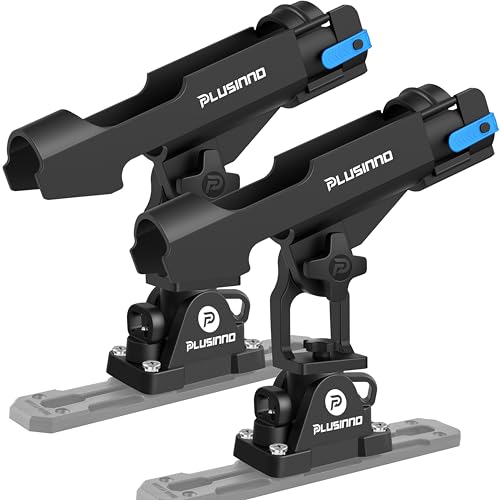 PLUSINNO 2-in-1 Kayak Rod Holder (2-Pack)
|
7.8/10 | Buy |
HLOGREE FlexCrate Kayak Fishing Crate with 4 Rod
The HLOGREE FlexCrate is a modular 13-inch by 13-inch kayak fishing tackle crate featuring four upright rod holders, quiet-hinged lid access, and secure bungee tie-downs. It is an ideal stern tankwell upgrade for kayak anglers wanting organized, customizable gear storage on lakes, reservoirs, and slow-moving rivers.
Pros
- Includes four rod holders and dual bungee tie-downs with carabiners right out of the box
- Dampened lid hinges allow quiet, stealthy tackle access on calm flatwater
- Grid pattern allows custom mounting of pliers, tool sheaths, and extra tackle accessories
- Rubber feet dampen deck noise and stop the crate from sliding across slick plastic hulls
Cons
- Open predrilled panel design is ventilated rather than waterproof, requiring dry bags for water-sensitive gear
- Assembly requires removing the bottom rubber feet prior to fitting side panels to prevent alignment issues
- Fixed 13x13-inch footprint may not fit unusually shallow or narrow sit-on-top tankwells
Pelican Catch Classic 100 Angler 10-Foot
The Pelican Catch Classic 100 Angler is a 10-foot sit-on-top fishing kayak featuring a steady tunnel hull and an adjustable dual-position Ergocast frame seat. Weighing just 57 pounds with a 350-pound maximum capacity, it is a reliable, easily transportable platform for kayak anglers navigating lakes, ponds, and slow rivers.
Pros
- Tunnel hull provides exceptional initial flatwater stability for confident casting and gear access
- Ergocast frame seat keeps paddlers elevated off the deck with high and low position adjustments
- Relatively light 57-pound bare hull weight makes solo roof rack loading and transport practical
- Dual 4-inch rigging tracks allow seamless attachment of fish finders and accessories without drilling
- Adjustable footrests and paddle tie-downs ensure a comfortable, hands-free fishing experience
Cons
- Compact 10-foot waterline prioritizes close-quarters turning agility over long-distance straight tracking
- Paddle is not included in the base package and must be purchased separately
- Paddlers approaching the 350-pound maximum capacity ceiling may notice reduced freeboard and deck wash
Borogo 2-Pack Kayak Deck Flush Mount Fishing Rod
This two-pack of Borogo flush-mount rod holders features a 30-degree angled head, PC and ABS composite construction, and integrated cap covers to keep splash out of your hull. It is a practical outfitting kit for recreational paddlers and kayak anglers adding hands-free rod staging to sit-on-top hulls or canoes.
Pros
- 30-degree angled head keeps rod tips positioned away from paddle strokes
- Integrated push-on caps help keep deck splash and rain out of the inner hull
- Includes 5 bonus pad eyes and 16 total screws for broader kayak rigging
- PC and ABS composite construction will not rust in freshwater or coastal environments
Cons
- Requires cutting permanent deck holes into your kayak or canoe gunwale
- Included hardware consists of basic screws rather than through-bolts or expanding rivets often preferred for thin plastic hulls
- The 45mm inner diameter may not fit oversized offshore rod grips or heavy trolling butts
YAKHACKER Kayak Track Mount Cup Holder with Rubber
The YAKHACKER Kayak Cup Holder is a track-mounted beverage and tool organizer featuring an anti-toppling rubber tab that keeps cans, bottles, and gear secure against chop and paddle vibrations. It offers a practical cockpit upgrade for kayak anglers and recreational paddlers who want hands-free convenience without drilling into the hull.
Pros
- Flexible rubber tab holds varying container sizes firmly to resist tipping and spills in choppy water
- Mounts onto standard kayak gear tracks for secure installation without drilling permanent holes into the hull
- Multi-purpose layout doubles as a handy staging pocket for lures, phones, pliers, or small essentials
- Durable marine-grade materials handle outdoor weather exposure and repeated water splashes
Cons
- Requires factory-installed or aftermarket gear tracks on the kayak deck for installation
- Open caddy design leaves stored phones or terminal tackle exposed to heavy spray and rain
- May fit very wide insulated tumblers tightly depending on container base diameter
PLUSINNO 2-in-1 Kayak Rod Holder (2-Pack)
Designed for kayak and boat anglers, this dual-pack holder pairs full 360-degree rotation with silicone padding to keep rods firmly anchored without scuffing the hull. Marine-grade stainless steel hardware and integrated safety straps ensure dependable security for both spinning and baitcasting setups.
Pros
- Full 360-degree adjustment with precise 10-degree locking increments
- Protective silicone padding prevents surface scratches on boats
- Integrated retention straps prevent accidental rod loss
- Durable marine-grade stainless steel mounting hardware
- Compatible with both spinning and baitcasting setups
Cons
- Mounting tracks are not included in the package
- Requires compatible boat tracks for installation
Essential Kayak Fishing Checklist: Gear, Rigging, and Safety Setup
Heading out onto open water without a structured gear plan invites clutter, lost equipment, and safety oversights. Kayak angling demands that every essential item occupies a dedicated location where it cannot slide overboard or impede your paddle stroke. Anglers must balance personal safety, fishing utility, and physical comfort while respecting the displacement boundaries of their watercraft. Establishing a repeatable packing routine ensures you carry everything needed for a productive session without compromising stability.
Core USCG Safety Gear and Mandatory Watercraft Essentials
Personal safety equipment must take absolute priority over rods, reels, and tackle boxes before launching any paddlecraft. United States Coast Guard regulations under Title 33 CFR § 175 mandate that every recreational vessel maintain a wearable Type III or Type V personal flotation device for each person aboard. Kayak anglers should select a high-back paddling vest designed specifically to clear elevated seat frames without riding up. Keeping your life jacket securely fastened throughout the trip is essential, because unexpected capsizes leave zero time to locate loose gear.
Audible sound signaling devices are also a strict navigation requirement for all paddlecraft operating in shared waters. A pea-less marine whistle attached directly to your life jacket shoulder strap functions reliably even after full submersion. If you plan to paddle during low-light hours before sunrise or after dusk, you must carry a 360-degree white navigation light visible from two nautical miles away. Adding a manual bilge sponge and a basic first-aid kit inside a sealed dry hatch completes the baseline safety kit every boater needs.
Selecting and Rigging the Fishing Kayak Platform
The boat itself serves as the foundation for your entire fishing system, dictating how much weight you can safely carry across open bays or calm reservoirs. Dedicated fishing platforms like the Pelican Catch Classic 100 Angler incorporate specialized hull geometries designed specifically to support active casting. That particular 10-foot platform utilizes a tunnel hull design to maximize primary stability, making deck movement significantly more manageable for novice anglers. Its high-molecular-weight polyethylene construction balances durability with a manageable 58-pound bare hull weight for easier transport.
Cockpit layout and seating comfort directly govern how long you can remain on the water without debilitating lumbar strain or fatigue. The Pelican Catch Classic 100 Angler features the Ergocast Classic dual-position seating system, allowing paddlers to toggle between a lower paddling height and an elevated sight-casting position. Open sit-on-top decks with molded-in footrests and self-bailing scupper drains ensure that splashed water washes away immediately. Paddlers who prefer enclosed hulls might explore single sit-in kayaks for colder water protection, though open sit-on-top decks remain the standard for warm-water fishing access.
Rod Management and Multi-Angle Rod Holders
Managing multiple fishing rods within a confined cockpit requires dedicated mounting hardware that prevents costly graphite blanks from rolling into deep water. Installing hardware such as the Borogo 2 Pack Kayak Deck Flush Mount Fishing Rod gives anglers fixed rear-facing storage angled at 30 degrees behind the seat. Constructed from durable PC and ABC polymer composites, these flush-mount tubes sink cleanly into flat deck recesses and include protective caps to block spray. They keep transport rods out of your immediate paddle arc while preserving clear casting lanes.
Active trolling and drifting require forward-facing, highly adjustable rod holders mounted directly to the kayak’s accessory tracks. The PLUSINNO 2 in 1 Kayak Fishing Rod Holder mounts onto standard gear tracks and provides full 360-degree horizontal rotation alongside vertical angle adjustments. Its integrated silicone gaskets increase friction to prevent slipping under heavy strikes without marring your boat’s track rails. Built-in elastic rod protection straps wrap securely around spinning or baitcasting rod handles, preventing aggressive strikes from pulling expensive gear overboard.
Tackle Storage and Tankwell Crate Organization
A disorganized tankwell creates constant frustration and invites accidental spills whenever you twist around to retrieve a fresh lure or sinker. The HLOGREE FlexCrate Kayak Fishing Crate with 4 Rod provides a structured 9.78-gallon storage solution designed to fit snugly inside standard rear kayak wells. Measuring 13 inches on all sides with 0.39-inch polymer panels, it easily accommodates multiple utility tackle trays while keeping them upright and separated. Four integrated vertical rod tubes line the crate exterior, offering extra clearance for backup rods or landing nets.
Security and noise suppression are vital elements of any rear storage container operated in shallow inshore waters. The HLOGREE crate features rubber feet that dampen hull vibration and prevent the plastic box from sliding across textured deck surfaces during turns. Dual bungee tie-downs equipped with carabiners anchor the crate firmly to deck eyelets, preventing the unit from tipping during heavy wakes. A lockable lid with dampened, quiet hinges allows stealthy one-handed access so you can swap out tackle without alerting fish holding nearby.
Because the ventilated, pre-drilled panel construction allows natural airflow, it does not function as a watertight box during driving rain or heavy spray. Anglers should store sensitive electronics, fishing licenses, vehicle key fobs, and spare clothing inside sealed roll-top dry bags before placing them in the crate. Placing heavy utility boxes containing lead weights at the bottom of the container keeps your center of gravity low and stable. Keep quick-access soft plastic bags in perimeter pouches so you can retie lines without digging blindly into the main cargo hold.
Small Deck Accessories and Track-Mounted Tools
Efficiency in a fishing kayak depends on having primary rigging tools accessible within seconds without shifting your balance or fumbling through deep pockets. The YAKHACKER Kayak Cup Holder with Rubber Tab slides directly into standard factory gear tracks to solve small-item clutter. Designed with internal rubber stabilizing tabs, it locks beverage cans and water bottles securely in place to eliminate accidental spills during paddle strokes. The anti-toppling marine-grade construction also doubles as a convenient holding cup for loose crankbaits, soft plastics, or pliers.
Every kayak angler should mount a pair of spring-loaded needle-nose pliers and braided-line snips to an accessible track using retractable lanyards. Dropping metallic tools into murky lake bottoms is an expensive, universal headache that tethered lanyards completely prevent. Fish lip-gripping tools provide firm mechanical control when unhooking toothy predators like pike or saltwater gamefish next to low gunwales. Keeping these small handling items tethered near your seating station ensures quick, humane hook removal and rapid fish releases with minimal handling stress.
Calculating Usable Payload and Weight Distribution
Overloading a fishing kayak is one of the most common and hazardous mistakes recreational anglers make when outfitting their boats with excessive gear. Manufacturers assign a maximum gross weight capacity, such as the 350-pound limit listed on the Pelican Catch Classic 100, but that figure represents the submersion threshold. Prudent paddlers always adhere to the 70 to 75 percent safe operating capacity rule to preserve necessary freeboard and hull responsiveness. A 350-pound rated kayak should carry no more than 245 to 260 pounds of total combined weight, including the paddler, seat, crates, and tackle.
Proper fore-and-aft weight distribution is equally critical for maintaining clean hydrodynamics and predictable steering in moving currents or crosswinds. Placing excessive tackle, battery boxes, or heavy coolers into the stern causes the boat to squat, creating dragging stern suction and persistent tracking wander. Conversely, pushing too much ballast into the bow forces the nose down, increasing bow spray and making the boat prone to sudden weathercocking in crosswinds. Spread your heaviest cargo directly behind the seat, centering weight across the widest beam of the boat to keep your draft balanced.
Landing Gear, Measuring Boards, and Fish Retention
Bringing an active fish aboard a narrow plastic kayak presents distinct physical challenges that land-based or bass-boat anglers rarely encounter. A short-handled landing net featuring knotless rubberized netting prevents treble hooks from tangling while protecting the slime coat and delicate fins of gamefish. Rubber nets also shed water immediately, preventing noxious marsh odors and mold from developing inside the cockpit floor after your trip. Stowing the net handle in a designated vertical crate tube keeps the hoop ready for immediate one-handed deployment during a fight.
Anglers participating in catch-photo-release tournament formats must carry an approved bump board or rigid measuring trough tethered to the deck. Laying fish flat across a wet measuring board ensures accurate length verification while keeping the catch safely contained within gunwale boundaries. If you plan to harvest fish for dinner, opt for an insulated soft-sided cooler bag that conforms naturally to your bow tankwell bungees rather than a rigid ice chest. Soft cooler bags keep your harvest chilled without taking up excessive vertical space or catching side winds on open water.
Paddle Management, Anchoring, and Boat Positioning
Your paddle represents your primary propulsion and safety lifeline, requiring deliberate storage whenever both hands are occupied working a fishing rod. Hull tie-downs and side-mounted paddle park clips allow you to snap the shaft securely against the gunwale in a split second. A flexible paddle leash connected from the shaft to a secure deck eyelet prevents the blade from floating away while you fight a fish. Matching paddle length correctly to both your torso height and the kayak’s beam width prevents uncomfortable knuckle strikes against the hull sides.
Holding your position against wind drift or tidal movement often determines whether you can effectively target underwater drop-offs and submerged brush piles. A shallow-water anchor pin or a folding grapnel anchor connected to a full-length anchor trolley system allows you to adjust the pull point from bow to stern. Adjusting the trolley position prevents dangerous broadside anchoring where waves or heavy boat wakes can roll up against the beam. For anglers exploring rocky rivers, quick-release cam cleats ensure you can break away from the anchor line immediately if debris threatens your hull.
Personal Comfort, Sun Protection, and Hydration
Physical stamina on the water deteriorates quickly when paddlers neglect basic personal protection against solar radiation and dehydration. Spending hours exposed on open lakes requires broad-spectrum sunscreen, polarized sunglasses to spot underwater structure, and lightweight UPF-rated sun hoodies with long sleeves. Polarized lenses eliminate surface glare, allowing you to identify submerged weed lines, drop-offs, and cruising gamefish that would otherwise remain invisible. Wide-brimmed hats or neck gaiters prevent reflective burns caused by sunlight bouncing upward off the water.
Carrying ample fresh drinking water is non-negotiable, especially during warm summer excursions where continuous paddling accelerates fluid loss. While modern boats feature supportive seats, paddlers seeking extra cushioning often look into ergonomic kayak seating options or aftermarket gel pads to relieve pressure points along the tailbone. Keeping a compact dry towel within arm’s reach lets you wipe fish slime, mud, and water droplets from your sunglasses. Packing a compact dry bag containing high-protein snacks keeps your energy steady throughout demanding multi-hour fishing sessions.
Launch Preparation and On-Water Verification
A systematic pre-launch inspection at the boat ramp prevents avoidable mishaps that can ruin a fishing trip before the first cast. Verify that your scupper plugs are seated correctly if you prefer a dry footwell, and confirm that the primary hull drain plug is tightly threaded into place. Check that all track-mounted accessories, such as rod holders and cup brackets, are hand-tightened so they do not vibrate loose under paddling cadence. Give every rod leash and gear tether a firm physical tug to ensure the snap clips are fully locked.
Once you push off into shallow water, pause for a moment near the shoreline to verify your boat’s balance and trim before paddling out into open expanses. Check how easily your hands can reach your pliers, fish grips, tackle crate, and water bottle without requiring awkward body contortions that tilt the gunwale. Test your primary paddle stroke and verify that your rod tips clear overhead tree branches along your intended route. Taking these small preparatory steps establishes a relaxed, organized rhythm, letting you focus entirely on reading water currents, locating bait schools, and landing fish.
About the author
Reuben Parsons is an experienced water-sports writer and gear reviewer specializing in surfing and stand-up paddleboarding. With a background in marine biology and more than a decade of outdoor writing, He has tested hundreds of products and spent thousands of hours evaluating outdoor gear. He approach combines technical research with genuine experience on the water.