
Wetsuit Materials Explained of 2026 Top Picks
Wetsuit materials explained for cold paddling adventures in October 2026 to keep you warm, flexible, and comfortable on the water.
 By Brooke Hess
Updated October 5, 2026
By Brooke Hess
Updated October 5, 2026

Cold water spray and unexpected capsizing risks can quickly turn a calm morning on the water into an uncomfortable safety hazard. Sitting low in a single sit-in kayak exposes your lower back and legs to constant drips, splash, and brisk winds. Having wetsuit materials explained allows paddlers to understand how closed-cell foam, neoprene thickness, and smoothskin panels work together to retain vital core heat. Based on product specifications and user feedback, choosing flexible neoprene ensures unhindered rotational movement across long paddling sessions without wearing out your shoulders.
Paddlers steering through choppy coastal bays or maneuvering a heavy-duty inflatable kayak across windy reservoirs face constant friction around the armpits and torso. Modern paddling suits solve this with seamless paddle zones, flatlock seams, and FluidFlex stretch fabrics that minimize friction during repetitive strokes. Wind-resistant smoothskin across the chest and back blocks evaporative cooling when steady breezes wash over the deck. Understanding these construction details helps you pick the right balance between thermal defense and upper-body mobility.
| Award | Product | WSG Score About WSG ScoreThe WSG Score is our own rating from 0 to 10, based on performance, design and build, ease of use, and value. It reflects independent research and is never influenced by manufacturers, retailers, or affiliate commissions. Learn more › | |
|---|---|---|---|
| Best Overall |
O'Neill Men's Reactor-2 2mm Back Zip Short Sleeve
|
9.1/10 | Buy |
 O'Neill Women's Reactor-2 3/2mm Back Zip Full
|
8.4/10 | Buy | |
| Best Budget |
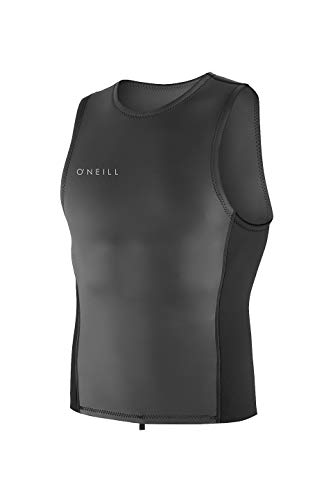 O'Neill Reactor-2 2mm Wetsuit Vest
|
8.0/10 | Buy |
O'Neill Men's Reactor-2 2mm Back Zip Short Sleeve
The O'Neill Men's Reactor-2 2mm Springsuit delivers dependable core warmth and easy back-zip entry for warm-to-temperate waters. Built with Ultra Stretch neoprene, seamless paddle zones, and wind-resistant smoothskin, it is an ideal choice for beginner surfers, paddleboarders, and recreational beachgoers.
Pros
- Easy back-zip closure allows quick solo entry and exit before and after sessions
- Ultra Stretch neoprene provides comfortable mobility across the shoulders and torso
- Wind-resistant smoothskin panels help block breeze-induced chill on breezy days
- Seamless underarm paddle zones help reduce friction and prevent painful chafing
Cons
- Short-sleeve and short-leg cut leaves arms and legs exposed to cooler water and marine elements
- Back-zip design is naturally more prone to minor water flushes during duck dives than a chest zip
- Requires accurate measurement against the size chart, as dry neoprene fits quite snugly before entering the water
O'Neill Women's Reactor-2 3/2mm Back Zip Full
The O'Neill Women's Reactor-2 3/2mm back zip full wetsuit combines flexible Ultra Stretch Neoprene with wind-resistant smoothskin panels for reliable entry-level warmth. Engineered with seamless paddle zones and an easy step-in back zip, it offers comfortable mobility for surfing, paddleboarding, and coastal recreation in cool to temperate waters.
Pros
- Vertical back zip entry makes putting on and taking off the suit fast and accessible compared to tight chest zips
- Seamless paddle zones under the arms reduce seam friction and chafing during repetitive paddling strokes
- Wind-resistant smoothskin panels on the core help shield against ocean breezes and surface chill
- Ultra Stretch Neoprene provides supple flexibility and comfortable second-skin fit
Cons
- Back zip entry is more susceptible to water flushes during duck dives and wipeouts than chest-zip configurations
- Smoothskin torso panels are delicate and require careful handling to avoid accidental fingernail gouges
- Standard 3/2mm build is not intended for cold water conditions below 58°F (14°C)
O'Neill Reactor-2 2mm Wetsuit Vest
Built for core warmth without restricting shoulder movement, this 2mm pullover vest is an ideal layer for surfing, paddleboarding, and warm-water paddling. Its flexible Fluidflex neoprene and windproof smoothskin cut down windchill while an integrated connector anchors it securely to your boardshorts.
Pros
- Stretchy Fluidflex neoprene allows free arm rotation
- Zipperless construction eliminates bulky hardware
- Flatlock seams sit smoothly against the skin
- Boardshort connector keeps the hem securely in place
Cons
- Zipperless pullover cut can be tough to remove when wet
- Sleeveless 2mm thickness offers limited warmth in cold water
Paddler Questions About Wetsuit Construction
What is the difference between standard neoprene and FluidFlex neoprene for kayaking?
FluidFlex neoprene provides significantly greater stretch and lower weight than traditional dense neoprene. This added elasticity is essential for paddlers because rigid rubber binds across the shoulders and restricts torso rotation during high-angle strokes. The softer feel minimizes skin chafing throughout hours of continuous motion on the water. Many recreational paddlers prefer suits with ultra-stretch materials to maintain smooth stroke efficiency.
How does wind-resistant smoothskin protect kayakers from rapid heat loss?
Wind-resistant smoothskin sheds surface moisture immediately to prevent cold air from stripping away body warmth. Standard fabric-faced neoprene holds a layer of water on the exterior, leading to rapid evaporative chilling when lake breezes kick up. Smoothskin panels act as a windbreak over vital organs in the chest and lower back. This thermal barrier is especially valuable for open-deck paddlers dealing with wind-driven spray.
Are flatlock seams suitable for cold-water kayak touring?
Flatlock seams are ideal for moderate water temperatures above sixty degrees Fahrenheit because they allow minor amounts of water to pass through. The overlapping stitch lies completely flat against your skin, preventing underarm rash during repetitive paddling sessions. While not entirely watertight like sealed or taped seams, flatlock construction offers superior flexibility and airflow for warm-weather paddling. Paddlers loading their boats onto a heavy-duty kayak rack for spring and summer outings will appreciate this lightweight comfort.
Why are seamless paddle zones important when evaluating Wetsuit Materials Explained in 2026?
Seamless paddle zones eliminate structural stitching directly beneath the armpits to stop painful skin friction before it starts. Continuous forward paddle strokes generate thousands of rubs against your side during a single outing. Suits featuring seamless underarm patterns give your shoulders complete freedom of movement. This focused design helps you maintain proper paddling mechanics without uncomfortable chafing.
Should paddlers select a 2mm spring suit, a full wetsuit, or a wetsuit vest?
Your choice depends strictly on water temperature, immersion risks, and the arm mobility you require. A 2mm vest leaves your shoulders completely free while defending your core against chilly wind and deck spray. In contrast, a 3:2mm full wetsuit protects against cold water immersion during shoulder seasons, while a 2mm short-sleeve spring suit delivers balanced thermal protection for mild conditions.
About the author
Brooke Hess is an accomplished whitewater kayaker and outdoor writer with years of experience paddling rivers around the world. He has competed internationally in freestyle kayaking and extreme races and has represented the United States in competitive kayaking. His deep understanding of river conditions and paddling performance gives her valuable insight into technical kayaking gear.