
Can You Snorkel While Pregnant? Essential Safety Guide for 2026
Wondering can you snorkel while pregnant? Learn essential surface swimming safety tips, gear advice, and maternal health precautions in our October 2026 guide.
 By Sara James
Updated October 4, 2026
By Sara James
Updated October 4, 2026
Floating in calm salt water offers exceptional relief from the physical strain and joint compression often experienced during pregnancy. Expectant mothers frequently ask can you snorkel while pregnant without compromising fetal health or maternal comfort. In most uncomplicated pregnancies, gentle surface swimming provides low-impact cardiovascular activity while relieving lumbar pressure. Using reliable equipment like Zipoute Snorkel dry-top gear ensures clear breathing while observing marine life. Exploring calm shallow reef snorkeling spots can be a peaceful retreat when approached with caution and preparation.
Safety always starts with personal medical clearance and an understanding of ocean conditions. A primary concern is maintaining unrestricted respiration through dedicated swimming snorkels to prevent hyperventilation or carbon dioxide buildup. Expectant swimmers should prioritize calm, shallow waters with minimal tidal currents to avoid unnecessary fatigue. Remaining strictly on the surface prevents barotrauma and avoids the physiological pressures associated with submersion. With proper planning and sensible gear adjustments, recreational surface swimming can be a safe and refreshing aquatic activity.
| Award | Product | WSG Score About WSG ScoreThe WSG Score is our own rating from 0 to 10, based on performance, design and build, ease of use, and value. It reflects independent research and is never influenced by manufacturers, retailers, or affiliate commissions. Learn more › | |
|---|---|---|---|
| Best Overall |
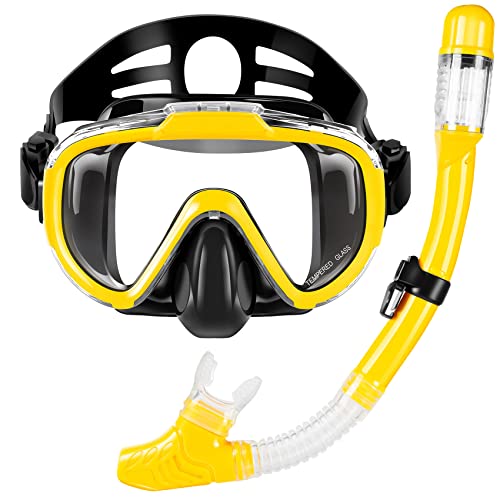
Zipoute Adult Dry Top Snorkel Set with Panoramic
|
8.8/10 | Buy |
Zipoute Adult Dry Top Snorkel Set with Panoramic
The Zipoute Adult Dry Top Snorkel Set pairs an anti-fog tempered glass panoramic mask with a dry-top breathing tube for clear underwater vision and splash protection. It is a lightweight, packable accessory ideal for recreational paddlers, lake explorers, and snorkelers who want dependable gear to stash in a kayak dry hatch.
Pros
- Panoramic tempered glass lens delivers expansive visibility with reliable impact and scratch resistance
- Dry-top snorkel valve effectively blocks splash and wave wash from flooding the breathing tube
- Lightweight design at roughly 1.33 pounds packs easily into kayak hatches or dry bags
- Simple strap adjustment system allows quick sizing changes for different adult paddlers
Cons
- Anti-fog coatings require periodic defogging treatments or baby shampoo prep for optimal long-term clarity
- Facial hair or unique face shapes may require careful strap adjustment to prevent minor perimeter water seepage
- Does not include a padded protective travel case for shielding the tempered glass lens in rough gear crates
Essential Safety Protocols and Practical Guidelines for Snorkeling During Pregnancy
Understanding the physiological changes of pregnancy helps swimmers navigate the ocean with confidence and peace of mind. Expectant mothers can safely enjoy surface exploration when they respect maternal physical limits and eliminate underwater diving. Buoyancy, respiratory demand, and core balance shift significantly across each trimester. Approaching the water with a safety-first mindset ensures that every swim remains refreshing rather than exhausting.
Medical Clearance and Trimester-by-Trimester Physical Changes
Consulting an obstetrician or midwife is the non-negotiable initial step before planning any snorkeling activity. Healthcare providers assess individual medical histories, placental placement, cervical health, and blood pressure before approving recreational water sports. Conditions such as placenta previa, preeclampsia, or a history of preterm labor strictly preclude open-water activities. A routine prenatal visit allows parents to discuss planned travel destinations, water temperatures, and physical intensity levels. Medical approval ensures that no underlying complications transform a tranquil swim into an unnecessary hazard.
The first trimester introduces hormonal fluctuations, pronounced fatigue, and morning sickness that can heighten motion sensitivity in the water. Gentle ocean swells that normally cause no discomfort can quickly trigger intense nausea when looking down through a mask. Swimmers experiencing early pregnancy fatigue should limit outings to short intervals near calm shorelines. Staying hydrated and well-rested helps mitigate dizziness caused by blood pressure drops during early gestational development. Listening to early bodily signals ensures that mild discomfort does not turn into sudden disorientation.
The second and third trimesters alter maternal physical geometry and pulmonary capacity as the baby grows. During the second trimester, maternal energy often rebounds, making it a popular window for babymoon travel and water recreation. However, the expanding abdomen shifts the center of gravity and increases lumbar lordosis, altering swimming posture. The third trimester brings increased diaphragmatic compression, which reduces total lung volume and increases baseline breathing rates. Swimmers must pace their kicking cadence to accommodate these changes without straining abdominal muscles.
The Critical Rule: Remaining on the Surface and Avoiding Free Diving
The single most crucial guideline for pregnant snorkelers is staying strictly on the surface of the water. Free diving, breath-hold diving, and duck diving beneath the surface are strictly prohibited throughout pregnancy. Holding the breath induces maternal hypoxia and hypercapnia, which directly restricts oxygen delivery across the placenta to the fetus. Even brief dives create rapid pressure gradients that fetal physiology is ill-equipped to handle safely. Relaxed, continuous breathing through a snorkel tube ensures a continuous supply of oxygen to both mother and child.
Scuba diving is universally banned during pregnancy due to the risk of fetal decompression sickness, and deep breath-hold diving presents related concerns. Fetal circulation lacks the pulmonary capillary filtration system that protects adult bodies from microbubble formation. Even without compressed gas tanks, repeated deep descents and rapid ascents can alter vascular pressures and stress the placenta. Surface snorkeling eliminates these barometric pressure shifts entirely by keeping the body at atmospheric sea-level pressure. Maintaining a horizontal, relaxed float allows parents to observe marine environments safely without hydrostatic risks.
Maternal reflex changes also make breath-holding unpredictable and potentially hazardous in open ocean conditions. Pregnancy elevates circulating progesterone levels, which naturally increases the respiratory drive and causes mild physiological hyperventilation. Attempting to hold one’s breath while swimming can trigger sudden lightheadedness or shallow-water blackout far quicker than in a non-pregnant state. Swimmers should focus on rhythmic, shallow kicking paired with deep, unhurried inhalations through the snorkel barrel. Staying flat on the water surface keeps exertion low and safeguards fetal oxygenation at all times.
Flotation Aids and Energy Conservation Strategies
Employing active flotation equipment is essential for conserving physical energy and maintaining stability in ocean water. A dedicated snorkeling vest, foam swim noodle, or inflatable buoyancy belt provides effortless positive buoyancy. Expectant mothers carry extra fluid and tissue weight, which can cause calf cramping and pelvic fatigue during continuous swimming. Wearing an inflatable snorkel vest allows the swimmer to rest completely motionless without treading water or struggling to stay afloat. This added security prevents muscle fatigue and allows immediate resting whenever breathing patterns elevate.
Fatigue can develop suddenly during pregnancy due to altered cardiovascular output and increased resting heart rates. The maternal heart works significantly harder to pump increased blood volume, meaning swimming against currents quickly leads to exhaustion. Swimmers should always evaluate ocean currents, wind direction, and tidal schedules before entering the water. Choosing protected coves, barrier reef lagoons, or calm bays prevents the need for strenuous kicking against moving water. Snorkelers should always swim parallel to the shore and avoid straying into deep channels where water movement accelerates.
Having a designated swim buddy is an indispensable safety measure that should never be omitted. A partner provides immediate physical assistance, monitors surrounding boat traffic, and helps identify subtle signs of maternal fatigue. Swimmers should establish clear hand signals before entering the water to communicate comfort, rest needs, or equipment adjustments. Staying within arm’s reach of a companion ensures prompt aid if a sudden foot cramp or wave splash occurs. Ocean safety relies heavily on mutual vigilance, especially when physical endurance is naturally lower.
Snorkel Gear Selection: Dry Tops, Silicone Skirts, and Mask Fit
Selecting appropriate snorkeling gear dramatically reduces breathing resistance and prevents water inhalation emergencies. The Snorkel Set, Zipoute Snorkel Dry Top Snorkeling equipment exemplifies features that benefit expectant swimmers, including a dry-top valve and lower purge valve. Dry-top mechanisms utilize a floating ball that seals the airway instantly whenever a wave washes over the tube. This feature prevents saltwater from flooding into the mouth, eliminating coughing fits that can stress abdominal muscles. A lower silicone purge valve allows effortless clearing of stray droplets with a gentle exhale.
Mask comfort and skirt sealing are equally critical to prevent facial pressure headaches and water leaks. Hormonal shifts during pregnancy often cause mild facial tissue swelling, which can alter how traditional mask skirts seal against the skin. Choosing high-grade, food-grade silicone skirts ensures a supple, watertight seal without requiring over-tightened head straps. Panoramic tempered glass lenses provide a broad, distortion-free field of vision that helps swimmers maintain situational awareness and spatial orientation. Readers can explore detailed reviews of leak-resistant silicone skirt masks to understand how skirt flexibility impacts facial comfort.
Mouthpiece ergonomics warrant careful attention because pregnancy can heighten the pharyngeal gag reflex. A bulky, stiff plastic mouthpiece can trigger immediate retching or nausea, particularly in early gestation. Soft, orthodontically shaped silicone mouthpieces rest comfortably between the teeth without requiring excessive jaw clamping force. Swimmers should test mask and snorkel fit in a swimming pool before venturing into open marine waters. Familiarity with equipment reduces anxiety and ensures seamless, unobstructed breathing while floating on the surface.
Hydration, Thermal Management, and Sun Protection
Thermoregulation is a vital physiological priority because maternal core hyperthermia can adversely impact fetal development. Swimming in excessively warm tropical water or basking under intense direct sunlight can elevate body temperature unexpectedly. Expectant swimmers should avoid warm lagoons where water temperatures exceed 90 degrees Fahrenheit (32 degrees Celsius). Conversely, prolonged immersion in cold water causes shivering and peripheral vasoconstriction that diverts circulation away from internal organs. Selecting mild, temperate waters between 78 and 84 degrees Fahrenheit provides comfortable thermal equilibrium.
Sun protection requires physical barriers rather than heavy reliance on chemical sunscreens that can penetrate sensitive maternal skin. Wearing a long-sleeve rash guard or full-coverage dive skin with an ultraviolet protection factor (UPF) rating shields the back and shoulders. Melasma, or pregnancy pigmentation, makes the skin exceptionally vulnerable to severe sunburn and lasting hyperpigmentation. Physical barriers eliminate the need to apply sunscreen near the mask line, preventing eye stinging and skirt seal failure. Furthermore, rash guards provide a light thermal buffer against cooler surface breezes when exiting the ocean.
Maintaining adequate hydration and electrolyte balance prevents painful muscle spasms and sudden drops in blood pressure. Seawater immersion naturally stimulates immersion diuresis, prompting the kidneys to excrete water and sodium more rapidly. Expectant mothers must drink abundant fresh water before and immediately after swimming to compensate for fluid loss. Keeping an insulated water bottle on the beach or escort boat ensures convenient access to cool fluids throughout the outing. Replenishing fluids stabilizes blood volume and helps prevent maternal overheating under the sun.
Safe Water Entry, Exit Techniques, and Watercraft Support
Entering and exiting the ocean demands extra caution to avoid slips, falls, or sudden abdominal impacts from crashing waves. Expectant mothers should steer clear of steep gravel beaches, slippery boat ramps, and rocky shorelines with heavy surf. Breaking shore break waves can easily knock a swimmer off balance and cause blunt trauma to the abdomen or joints. Sandy, gradual entries with calm water offer the safest path for walking slowly into waist-deep water. Swimmers should put on their fins only after entering water deep enough to float comfortably.
Boat excursions require careful evaluation of vessel stability, boarding ladders, and marine traffic before departure. Climbing up vertical metal boat ladders can place extreme strain on abdominal muscles, hips, and relaxed pelvic ligaments. Swimmers should choose charter vessels with sturdy, angled boarding ladders or swim platforms equipped with handrails. Crew members or companions should always assist by taking fins, masks, and vests before the mother climbs the ladder. Smooth, supported transitions protect vulnerable joints from sudden twisting under the pull of ocean swells.
Utilizing a floating support craft, such as a stable sit-on-top kayak or stand-up paddleboard, offers an exceptional safety platform. A partner paddling alongside the snorkeler provides an immediate resting station, hydration carrier, and visual beacon for passing boats. If the swimmer experiences sudden fatigue or nausea, they can simply hold the kayak grab loops or haul onto the deck. This support system eliminates the psychological stress of swimming far from shore without a quick escape route. Watercraft escorts ensure that unexpected fatigue never turns into a dangerous open-water situation.
Recognizing Critical Warning Signs to End the Session
Recognizing the body’s warning signals is essential for preventing medical emergencies while in the water. Swimmers must exit immediately if they experience pelvic pain, uterine cramping, vaginal bleeding, or fluid leakage. Persistent shortness of breath, irregular heart palpitations, or chest tightness require prompt medical evaluation on land. Dizziness, blurred vision, or sudden confusion can indicate maternal dehydration, hypoglycemia, or heat exhaustion. Continuing to swim through physical distress places both maternal and fetal safety at unnecessary risk.
Even minor symptoms like persistent calf cramps, shivering, or unyielding nausea should prompt a calm return to shore. Muscle cramps are common during pregnancy due to altered calcium and magnesium metabolism combined with fin kicking. If a cramp occurs, the swimmer should roll onto their back, inflate their vest, and signal their buddy for towing assistance. Exiting the water proactively preserves maternal energy reserves and prevents panic in deep water. Trusting maternal intuition and prioritizing caution guarantees a safe, enjoyable ocean experience.
Surface water exploration offers a peaceful and weightless escape when practiced with sensible precautions and certified medical guidance. By committing to surface-only floating, wearing buoyant safety aids, and utilizing reliable dry-top snorkel gear, expectant mothers can safely enjoy marine environments. Respecting environmental conditions, staying hydrated, and swimming alongside a dedicated companion ensures total peace of mind. Listening to personal physical boundaries protects maternal well-being while creating beautiful, serene memories on the water.
About the author
Sara James is an experienced paddler and outdoor gear reviewer with more than two decades of involvement in paddle sports. Her background spans touring kayaking, Class V whitewater, stand-up paddleboarding, and international kayaking events. She brings a practical, experience-driven perspective to evaluating kayaks, paddles, life jackets, dry bags, and other essential water gear.