Do You Need to Know How to Swim to Snorkel: Practical Water Safety and Gear Guide for 2026
Do You Need To Know How To Swim To Snorkel? Learn vital flotation gear rules, calm water safety tips, and mask breathing essentials for October 2026.
 By Maggie Nichols
Updated October 5, 2026
By Maggie Nichols
Updated October 5, 2026
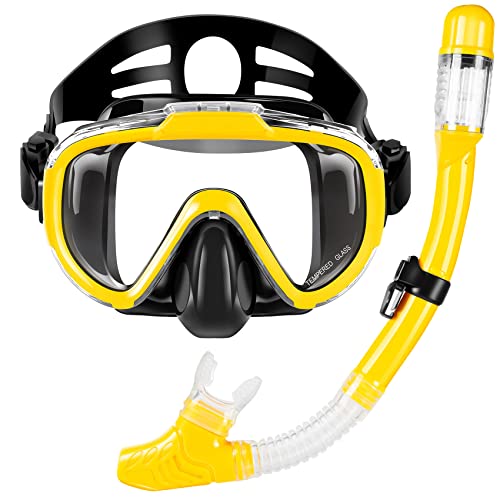
Drifting quietly above vibrant marine life is one of the most rewarding ways to enjoy coastal waters, yet many aspiring adventurers hesitate at the water’s edge. Beginners frequently ask, do you need to know how to swim to snorkel before booking a tropical excursion or paddling out to an offshore reef. The reassuring reality is that snorkeling primarily involves floating face-down on the surface rather than executing rigorous athletic swim strokes. With proper buoyancy aids, a calm mindset, and quality gear such as a reliable dry-top mask set, even non-swimmers can safely appreciate underwater environments.
Basic water safety requires understanding personal limitations, recognizing marine conditions, and selecting proper flotation aids like snorkel vests or personal flotation devices (PFDs). Exploring sheltered coves or launching from a paddlecraft becomes far more manageable when you respect the elements and practice breathing mechanics ahead of time. Reviewing a dedicated swimming snorkel selection can help you understand how breathing tubes function before you encounter ocean currents. Taking a structured, safety-first approach ensures that water confidence replaces anxiety on every excursion.
| Award | Product | WSG Score About WSG ScoreThe WSG Score is our own rating from 0 to 10, based on performance, design and build, ease of use, and value. It reflects independent research and is never influenced by manufacturers, retailers, or affiliate commissions. Learn more › | |
|---|---|---|---|
| Best Overall |
Zipoute Adult Dry Top Snorkel Set with Panoramic
|
8.8/10 | Buy |
Zipoute Adult Dry Top Snorkel Set with Panoramic
The Zipoute Adult Dry Top Snorkel Set pairs an anti-fog tempered glass panoramic mask with a dry-top breathing tube for clear underwater vision and splash protection. It is a lightweight, packable accessory ideal for recreational paddlers, lake explorers, and snorkelers who want dependable gear to stash in a kayak dry hatch.
Pros
- Panoramic tempered glass lens delivers expansive visibility with reliable impact and scratch resistance
- Dry-top snorkel valve effectively blocks splash and wave wash from flooding the breathing tube
- Lightweight design at roughly 1.33 pounds packs easily into kayak hatches or dry bags
- Simple strap adjustment system allows quick sizing changes for different adult paddlers
Cons
- Anti-fog coatings require periodic defogging treatments or baby shampoo prep for optimal long-term clarity
- Facial hair or unique face shapes may require careful strap adjustment to prevent minor perimeter water seepage
- Does not include a padded protective travel case for shielding the tempered glass lens in rough gear crates
A Complete Water Safety Guide to Snorkeling for Beginners and Non-Swimmers
Floating effortlessly across clear coastal waters to view marine life does not require athletic swim strokes or competitive endurance. Many beginners ask do you need to know how to swim to snorkel, and the direct answer is that non-swimmers can snorkel safely if they use proper flotation equipment and remain in sheltered conditions. Snorkeling relies primarily on surface buoyancy, relaxed breathing, and gentle steering rather than active water treading. Understanding how to maintain composure, clear equipment, and respect ocean currents is far more valuable than knowing how to swim laps in an Olympic pool.
Hydrodynamic Buoyancy and Saltwater Physics
Human bodies naturally displace water, creating an upward buoyant force that keeps a significant portion of the body at the surface. In ocean environments, dissolved salts increase water density, making it noticeably easier to float than in freshwater lakes or chlorinated swimming pools. When you assume a horizontal prone position on the water, your air-filled lungs act as natural flotation chambers that keep your chest high. Because a snorkeler breathes through an airway extension while looking downward, there is no physical need to fight gravity or kick vigorously to keep your mouth above the waterline.
Active swimming focuses heavily on vertical head elevation and coordinated limb movements that propel an individual through the water column. In contrast, snorkeling is fundamentally a passive activity where minimal motion produces the best viewing experience. Kicking rapidly or flailing your arms actually works against you by burning excess oxygen, exhausting your muscles, and disturbing marine wildlife. Resting comfortably on the surface with your face in the water allows the natural physics of displacement to do nearly all the heavy lifting.
Essential Flotation Gear for Non-Swimmers
Non-swimmers must never enter open coastal waters or deep lagoons without dedicated flotation equipment. An inflatable snorkeling vest serves as the most versatile tool because it features an oral inflation valve that lets you fine-tune your buoyancy level instantly. Adding a small amount of air elevates your chest comfortably, while full inflation allows you to rest vertically without treading water. Snorkel vests fit securely with crotch and waist straps, preventing the device from riding up around your chin while you cruise along the surface.
Individuals who experience elevated anxiety or possess zero swimming background should choose an inherently buoyant Type III personal flotation device (PFD). High-buoyancy foam vests provide guaranteed flotation that cannot suffer accidental deflation, puncture, or oral valve failure. In addition to wearable vests, carrying a high-visibility tow float or swimming noodle provides an immediate physical handhold whenever you need a brief rest. Using dedicated flotation guarantees that staying afloat requires zero physical exertion, which eliminates the primary trigger of aquatic exhaustion.
Dry-Top Snorkel Technology and Airway Protection
Breathing through a specialized tube while your face remains submerged feels unnatural at first, but modern gear engineering makes the process intuitive. Modern dry-top snorkels incorporate a buoyant float mechanism at the top opening that seals instantly if submerged by a wave or sudden head tilt. This internal float prevents water from flooding down into the breathing barrel, protecting your airway from accidental choking. Once the tube rises back above the waterline, the float drops open automatically, allowing normal airflow to resume without interruption.
At the base of the breathing tube, a silicone one-way purge valve provides a secondary defense against stray water droplets. If a small splash bypasses the top seal, a sharp burst of exhalation through the mouthpiece clears the moisture through the bottom reservoir without requiring you to lift your head. Ergonomic kits like the Snorkel Set, Zipoute Snorkel Dry Top Snorkeling gear feature a soft silicone bite valve that reduces jaw strain during extended sessions. Panoramic tempered glass lenses ensure clear peripheral awareness, helping non-swimmers monitor their surroundings with confidence.
Psychological Composure and Panic Prevention
Water safety experts widely recognize that panic, rather than lack of swimming capability, represents the primary hazard in recreational snorkeling. When water unexpectedly enters a mask or tickles the back of the throat, an untrained swimmer often reacts with acute anxiety. This sudden panic reflex prompts rapid vertical treading, which causes the hips to drop and pulls the airway lower into the water. Learning to pause, take a slow breath, and trust your flotation vest prevents a minor inconvenience from spiraling into an emergency.
Overcoming water anxiety requires mental conditioning and familiarization with basic troubleshooting steps. If your mask begins to flood, tilting your head backward while gently exhaling through your nose evacuates pooled water through the lower silicone skirt. If you feel tired or disoriented, rolling onto your back positions your face completely clear of the water so you can breathe freely. Practicing these self-rescue maneuvers in calm, shallow water builds the mental composure needed to handle unpredictable ocean conditions.
Identifying Safe Water Environments and Marine Hazards
The specific water environment you choose dictates the safety margin for anyone who does not know how to swim proficiently. Sheltered coastal bays, enclosed lagoons, and shallow barrier reefs with zero breaking waves provide the safest setting for beginners. In contrast, open beaches exposed to ocean swells, strong tidal surges, and rip currents present severe risks that flotation vests alone cannot mitigate. Always check local surf forecasts, tide tables, and wind direction before setting foot in the water, as offshore winds can push surface floaters away from shore rapidly.
Beginners should seek out protected locations that offer gradual, sandy entries where you can stand securely in waist-deep water while testing your equipment. Reading detailed accounts of guided reef snorkeling adventures provides practical insights into choosing shallow marine sanctuaries with negligible current. Rocky shorelines and coral shelves should be avoided because surging waves can push an inexperienced snorkeler against sharp surfaces. If surface conditions show visible chop or strong lateral drift, postpone your outing until calm flatwater conditions return.
Integrating Snorkeling with Kayaks and Paddlecraft
Paddling out to offshore reefs in a recreational kayak offers incredible freedom, but it introduces distinct challenges for non-swimmers during water transitions. Sit-on-top kayaks serve as optimal snorkeling tenders because their open cockpits and self-bailing scupper holes allow easy gear staging. Before slipping over the gunwale, you must anchor your paddlecraft securely or clip a tether line from the bow to your flotation harness. Forgetting to secure your boat can leave you stranded in open water if wind or current sweeps the light hull away faster than you can kick.
Re-boarding a kayak from deep water requires proper body mechanics and calm coordination. Rather than attempting to pull yourself straight up like climbing a ladder, kick your legs to bring your body horizontal on the water surface and slide your chest across the cockpit rim. Once your torso is balanced across the boat, roll your hips over to seat yourself safely inside the center well. Practicing this deep-water re-entry near shore ensures that you can regain your seat comfortably without tipping the craft or exhausting yourself.
Equipment Sizing, Mask Seal, and Fin Selection
Properly fitted equipment makes the difference between an effortless glide and a frustrating, leaky experience on the water. A quality panoramic mask should adhere firmly to your facial contours when you inhale gently through your nose without using the head strap. Silicone skirts with double-feathered edges provide superior sealing against fine facial hair and smile lines, preventing slow seepage that causes anxiety for non-swimmers. Browsing an in-depth review of comfortable dry-top mask sets illustrates how proper skirt flexibility prevents painful pressure on the bridge of the nose.
Fin selection also plays a crucial role in conserving physical energy and preventing leg cramps during extended outings. Non-swimmers should always select short, flexible touring fins rather than stiff, elongated free-diving blades. Short blades require less leg torque, allowing you to sustain a gentle flutter kick from your hips without straining your ankles or calves. Applying a commercial anti-fog solution or gentle surfactant to the tempered glass prevents condensation from clouding your vision, ensuring uninterrupted situational awareness.
Step-by-Step Training Protocol for Beginners
Developing water confidence should always follow a structured, step-by-step progression that begins on dry land and moves gradually into the water. Step one involves adjusting your mask strap and practicing breathing exclusively through your mouth while standing on the beach or pool deck. Step two moves into calm waist-deep water where you can submerge your face while keeping your feet firmly planted on the sand. This simple exercise trains your brain to accept breathing while your eyes and nose remain submerged in water.
Step three introduces your flotation vest, allowing you to lift your feet off the bottom and float horizontally while holding onto a dock or companion. During this stage, practice gentle kicks with your fins to discover how easily your body glides across the surface with minimal physical effort. Step four focuses on clearing minor water leaks and adjusting straps while maintaining your surface float. Taking twenty minutes to master these controlled exercises builds complete confidence before you venture toward deeper coral formations.
The Buddy System, Guided Tours, and Watermanship Limits
No individual, whether an Olympic athlete or a complete non-swimmer, should ever enter open water without an attentive partner. The buddy system ensures that someone remains within arm’s reach to assist with sudden equipment slips, leg cramps, or navigation orientation. Non-swimmers benefit immensely from booking guided excursions led by certified divemasters or coastal tour operators. Professional guides provide high-buoyancy life rings, supervise group spacing, and possess the local knowledge needed to steer clear of submerged obstacles or changing tidal flows.
Establishing clear communication through hand signals is critical because vocal communication is muffled when wearing a snorkel mouthpiece. Standard gestures such as tapping the top of your head to indicate you need help, flashing the ok hand signal, or pointing toward shore keep both buddies aligned. You must also establish personal boundaries and exit the water the moment you experience cold, fatigue, or unease. Prioritizing conservative judgment and reliable flotation guarantees that non-swimmers can appreciate underwater wonderlands safely and comfortably.
Ultimately, knowing how to swim is an advantageous life skill, but it is not an absolute barrier to enjoying the magic of snorkeling. Equipping yourself with dependable flotation aids, choosing calm and sheltered waters, and utilizing reliable dry-top equipment allows non-swimmers to explore coral reefs with total peace of mind. By mastering basic breathing mechanics, honoring the buddy system, and respecting your personal limits, you can turn initial water hesitation into a safe and unforgettable aquatic adventure.
About the author
Maggie Nichols is an experienced paddler, adventure guide, and gear reviewer with more than 25 years around paddle sports. Her background includes canoe touring, whitewater rafting and kayaking, ocean kayak guiding, and extensive outdoor education. She approaches water gear with a strong focus on real-world usability, durability, comfort, and practical performance.