
2mm vs 4 3mm Wetsuits of 2026 Warmth Guide
Evaluating 2mm vs 4 3mm wetsuits helps you balance paddle flexibility with core warmth. Updated for October 2026 with thermal gear insights.
 By Tony Flanders
Updated October 2, 2026
By Tony Flanders
Updated October 2, 2026
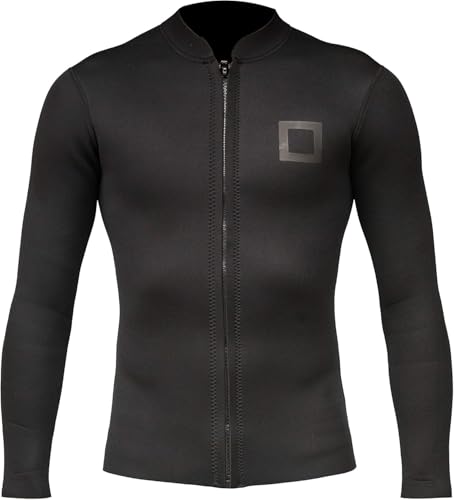
A biting offshore breeze cutting through a damp torso will cut short any dawn session before the swell even peaks. Stiff rubber across the shoulders causes premature paddle fatigue, leaving your arms feeling heavy after just a few duck dives. Navigating the balance of 2mm vs 4 3mm wetsuits comes down to matching your local water temperature with the physical demands of your aquatic sport. Lighter 2mm neoprene tops and springsuits prioritize unrestricted shoulder articulation and quick drying, making them ideal for high-output surface paddling or summer surf. In contrast, heavier 4/3mm fullsuits focus heavily on core thermal insulation and flush prevention when cold ocean swells drop into the fifty-degree range.
Detailed analysis of manufacturer specifications and user feedback highlights how thickness dictates session longevity and overall flexibility. Dedicated ocean athletes tackling long prone paddle boarding workouts often favor modular 2mm layers to avoid overheating while shielding their ribcage from deck abrasion. Solid neoprene tops, such as the Surf Squared Mens Wetsuit Top Jacket 2mm or 3mm, bridge the thermal gap by providing a targeted wind barrier with an extended back flap to block cold flushes. Meanwhile, colder winter surf demands the watertight barrier of glued and blind-stitched seams found on thicker fullsuits. Evaluating your regional climate ensures you never trade essential body warmth for effortless paddling freedom.
| Award | Product | WSG Score About WSG ScoreThe WSG Score is our own rating from 0 to 10, based on performance, design and build, ease of use, and value. It reflects independent research and is never influenced by manufacturers, retailers, or affiliate commissions. Learn more › | |
|---|---|---|---|
| Best Overall |
Surf Squared Mens Wetsuit Top Jacket 2mm or 3mm
|
8.9/10 | Buy |
Frequently Asked Questions About 2mm Vs 4 3mm Wetsuits
What water temperature range is recommended when comparing 2mm Vs 4 3mm Wetsuits?
A 2mm wetsuit suits water temperatures between 65 and 72 degrees Fahrenheit, whereas a 4/3mm wetsuit is designed for colder water between 52 and 60 degrees Fahrenheit. The thicker 4mm torso and 3mm limb panels preserve vital core heat in frigid conditions. A 2mm cut provides lightweight wind-chill shielding in milder seas without trapping excessive body heat during high exertion.
How does shoulder mobility differ between 2mm and 4/3mm neoprene?
A 2mm neoprene suit offers significantly greater shoulder flex and paddle freedom than a 4/3mm suit. Thinner neoprene minimizes resistance during overhead arm recovery, which delays muscle fatigue during long swim or surf intervals. While modern super-stretch limestone rubber helps thicker 4/3mm suits flex smoothly, the additional millimeters inevitably create slightly more arm resistance.
Can a 2mm or 3mm wetsuit top replace a fullsuit for surface water sports?
Yes, a 2mm or 3mm top can replace a fullsuit if air temperatures are mild and you remain primarily above the water surface. Athletes deciding between gear for paddle board vs kayak excursions often prefer neoprene tops paired with boardshorts because they prevent wind chill on the chest while allowing cool leg ventilation. However, if you face repeated submersion in sub-60 degree water, a fullsuit remains necessary to prevent rapid body cooling.
What seam construction works best for cold water wetsuits?
Glued and blind-stitched (GBS) seams with internal seam tape provide the most reliable protection for cold water neoprene. Flatlock stitching is common on 2mm summer gear because it lays flat against the skin, but it punctures the rubber and allows water to seep through. Cold-water 4/3mm designs require sealed GBS seams to lock out chilly ocean water and trap warm insulation against your skin.
How snug should a new wetsuit fit out of the box in 2026?
A new wetsuit should fit like a second skin with zero loose sagging around the lower back, groin, or underarms. Neoprene naturally expands and loosens slightly once saturated with ocean water during your first session. If a suit feels loose or bunches up while dry, it will inevitably flush with cold water and fail to keep you warm.
Does an extended back flap help prevent wetsuit flushing?
Yes, an extended back flap significantly reduces lower back flushing and sunburn on two-piece neoprene tops. As you bend forward or paddle prone, standard jackets often ride up and expose bare skin to cold splashes. An extended rear hem keeps your waistline shielded against wind chill, spray, and UV rays throughout active sessions.
About the author
Tony Flanders is an experienced astronomy writer and observer with a background in mathematics, technical research, and science communication. His extensive observing experience includes exploring deep-sky objects through different telescope configurations. He specializes in making complex astronomical concepts accessible to beginners and experienced observers alike.